Lawyers use an longtime tactic in a new way to get (some) asylum-seekers out of detention
 by MARGARET KADIFA August 6, 2025 (MissionLocal.org)

On Friday, a 20-year-old asylum seeker from Colombia walked into immigration court at 630 Sansome St. for an administrative hearing related to his case.
As has become routine in San Francisco’s immigration court, he did not make it out of the building that day.
ICE officers swarmed him—and three other asylum-seekers—outside of the door of the courtroom. Five people from the church he attends in San Francisco had accompanied him to his hearing that day. One held his hand, until officers took him through an unmarked door to the left of the courtroom.

Want the latest on the Mission and San Francisco? Sign up for our free daily newsletter below.Sign up
Had the man’s case followed the trajectory of those of many asylum-seekers in San Francisco who are arrested at immigration court, he would have been held anywhere from a few hours to a few days in a holding room on the immigration court’s sixth floor, then been sent to a longer-term detention facility elsewhere in California, or the country.
Instead, three days later, on Monday, the 20-year-old man walked out of 630 Sansome St., his belongings in a brown paper bag, a relieved smile on his face — all because lawyers in San Francisco are applying an old legal procedure in new ways.
A new use for an old legal procedure
A few hours after he was taken in immigration court, the 20-year-old man’s case landed on the desk of Jordan Wells, who runs the immigrant justice program at Lawyers’ Committee for Civil Rights.
The best chance at getting the man out of detention, Wells concluded, was to file what’s called a habeas corpus petition.
A habeas corpus (Latin for “you have the body”) petition is essentially a demand to bring a person out of custody while it is determined whether that incarceration is legal. It is filed in federal district court, which is part of the judicial branch of government, instead of immigration court.
While immigration courts are tasked with determining whether migrants are compliant with U.S. immigration law, all people living in the United States, regardless of immigration status, have the Fifth Amendment right to due process, Wells said. A habeas corpus petition argues that a person’s detention is violating this right to due process and that the person must be released.
Using habeas corpus in an immigration context is not without precedent. But, in the past, these petitions were commonly used for immigrants who had been in held in detention for many months—maybe because they had previously served time in prison and were detained after their release.
It’s still being used in this way, but now lawyers are filing these petitions on behalf of asylum seekers who (like the 20-year-old man from Colombia), were arrested following court, and did not appear to have not been incarcerated in the past. Up until recently, these immigrants would be allowed to remain free in the United States as they made their way through the asylum process. But lately, ICE has started arresting asylum-seekers as a way to remove their cases from the immigration court system, and expedite them out of the country.
If habeas corpus is used, a lawyer files a habeas corpus petition, then a temporary restraining order to release the detained asylum-seeker. A judge rules first on the temporary restraining order—often within hours, if it’s in the northern district, which includes San Francisco—and then, weeks later, on an injunction that makes the temporary restraining order more permanent. Then the judge rules on the full habeas corpus petition.
Wells had the 20-year-old asylum-seeker’s petition filed by Sunday afternoon, and a judge granted it a few hours later. The asylum-seeker left the detention center on Monday morning.
Others across the Bay Area filing petitions
Other lawyers have found similar success as early as July 10. Mission Local is aware of at least two other petitions that were filed—both successfully—for asylum-seekers following immigration court hearings in recent weeks.
In one case, Jordan Weiner, the legal director of La Raza Centro Legal’s Removal Defense Program, filed a petition for an asylum-seeker who was arrested on Friday, July 25. The asylum-seeker was still in San Francisco when Weiner filed the petition on Monday. But, the temporary restraining order that would allow his release did not come through until Tuesday. By then, ICE had already flown Weiner’s client to Arizona. The client was released Wednesday evening, Weiner said, and took a Greyhound bus back to San Francisco.
In another case in late July, a woman from Colombia seeking asylum, was arrested at the Sansome St. courthouse. Her brother, in a panic, showed up at a nearby law firm, Keker, Van Nest & Peters, asking for help. (Keker, Van Nest & Peters mostly does commercial litigation and intellectual property disputes, but some of its attorneys also take pro bono immigration cases.)
Two attorneys there, Erin Meyer and Jonhatan Aragon filed a habeas petition at 11:30 a.m. the next day, July 25. Despite this, ICE booked the woman on a commercial flight to Honolulu for that afternoon, presumably headed for a federal prison that contracts with ICE there. By the time a judge granted the temporary restraining order around 4:45 pm, the woman was already in the air, on board a United Airlines flight with two ICE officers, Meyer said.
(United Airlines did not respond to a request for comment.)
The woman landed in Honolulu around 4:30 p.m. local time, Meyer said. By then, Meyer’s firm had booked the woman on a red-eye United flight back to California—and Meyer was able to get through to ICE in Honolulu to ensure the woman, who had had her passport taken away prior to boarding the flight, was able to get on her plane home. She arrived back in California early Saturday morning.
Continued barriers
These habeas corpus petitions seem to work because most people who appear in immigration court in San Francisco have encountered Customs and Border Patrol when crossing through the southern border into the United States. Part of these encounters involve CBP assessing the detainee’s flight or security risk and all have been released because they are not seen as flight or security risks. This early assessment allows lawyers to argue in their habeas corpus filing that there is no reason to detain these people. They argue the government has not given a reason for its decision to change its mind and detain someone, and that, regardless, a person should have the chance to respond to such a change in court.
Still, it’s not always easy to get these petitions filed.
Most asylum-seekers who are detained in immigration court—including all the people described in this article—did not have lawyers representing them in their asylum cases when they were arrested. Before habeas corpus can be filed, someone needs to find those people who are arrested and then pair them with a lawyer.
Next, the petitions have to be filed in the place where the detainee is physically located. Because the San Francisco Bay Area does not have longer-term detention centers, that means that habeas corpus petitions have to be filed before people are sent elsewhere in California—or, as was the case in some recent arrests—out of state. This takes a level of funding and manpower that many of the nonprofit groups that help with these petitions do not have.
The result is that most people who have recently been arrested in San Francisco do not appear to be getting out of detention with habeas corpus petitions—yet. The three other people who were detained along with the 20-year-old Colombia asylum seeker were, according to ICE records, all still in detention, as of Wednesday morning. Weiner filed a habeas petition for one of them, but was too late; by the time she had filed the petition, ICE had already moved the asylum-seeker out of San Francisco, and to a detention center near Bakersfield.
Weiner hopes that will change. She said she is shifting her organization’s resources towards filing these petitions. Meyer, too, is trying to spread the word.
After his release, the 20-year-old asylum seeker headed home immediately. Within 30 minutes, he was walking into his family’s kitchen, to cries of joy from his mother, who immediately flung her arms around him.
MORE ON IMMIGRATION ENFORCEMENT
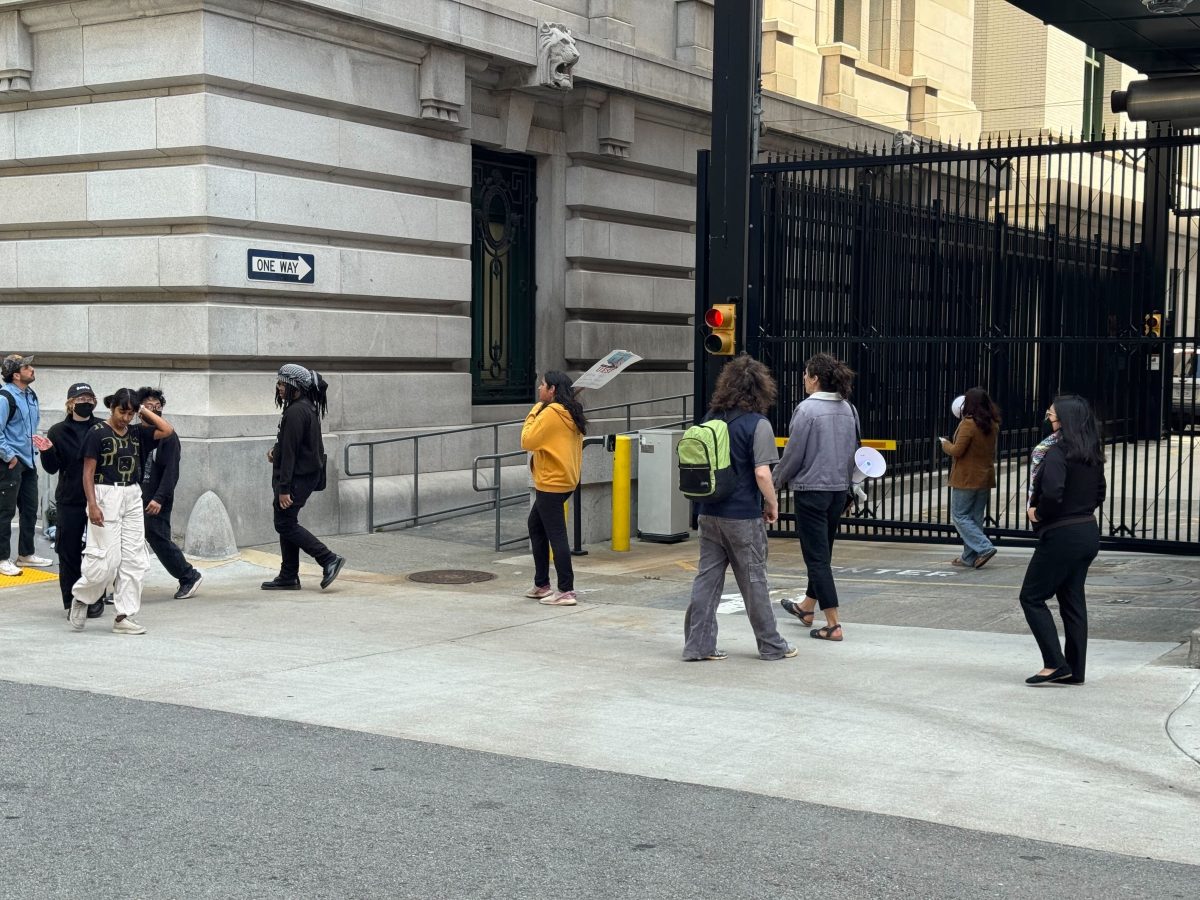
Four out of five asylum seekers arrested Friday in S.F. immigration court
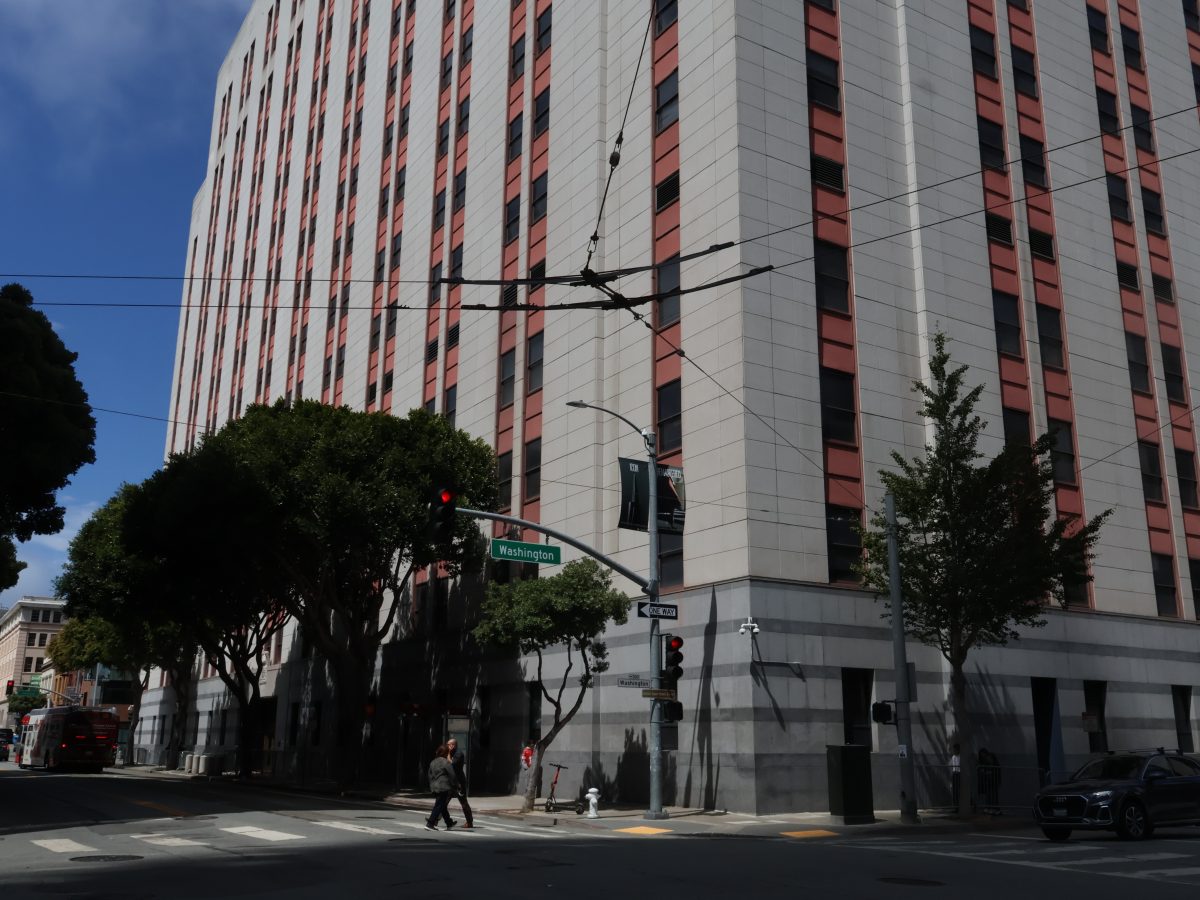
ICE agents await asylum-seekers as they leave the courtroom

Immigrants arrested in S.F. Friday sent to Arizona
Support the Mission Local team

We’re a small, independent, nonprofit newsroom that works hard to bring you news you can’t get elsewhere.
In 2025, we have a lofty goal: 5,000 donors by the end of the year — more than double the number we had last year. We are 20 percent of the way there: Donate today and help us reach our goal!
MARGARET KADIFA
I’m covering immigration. My background includes stints at The Economist in print and podcasting as well as reporting from The Houston Chronicle and elsewhere.More by Margaret Kadifa