S.F. congressional candidates debate immigration in the Mission. But one skips forum.

An empty chair marked Sen. Scott Wiener’s absence at a Latino Democratic Club forum.

by Alice Finno February 12, 2026 (MissionLocal.org)

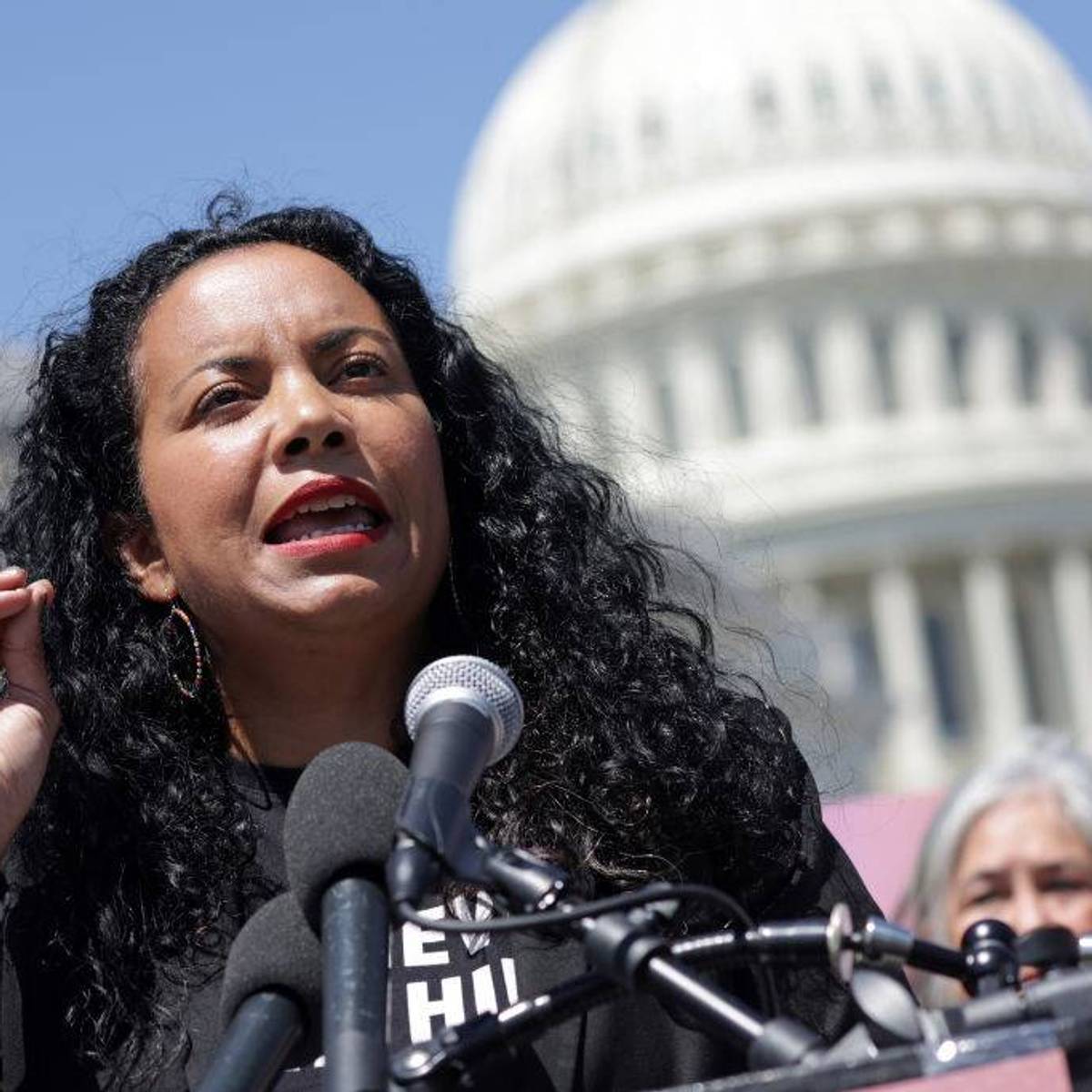
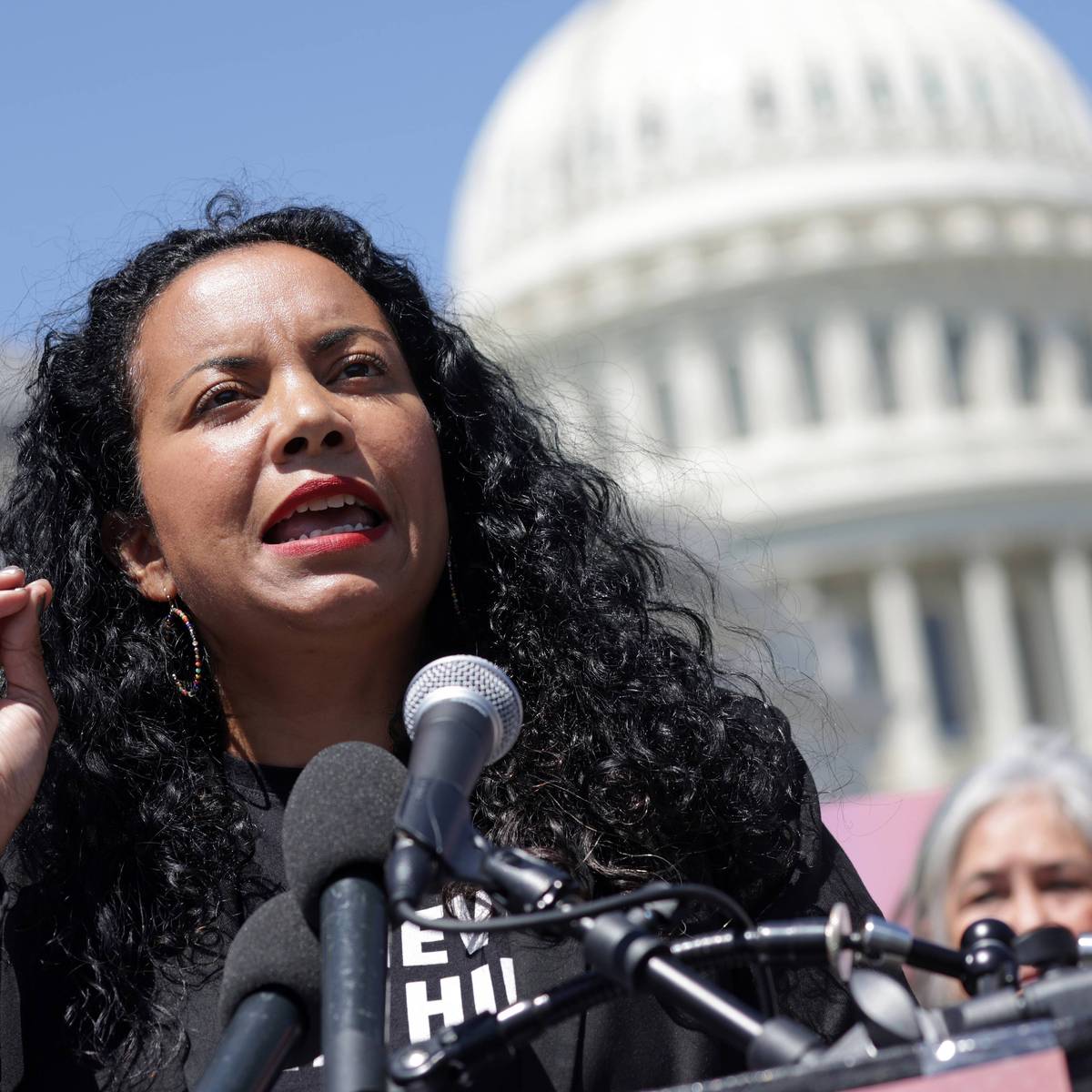
Connie Chan, center, and Saikat Chakrabarti, right, participated in a congressional debate hosted by the Latino Democratic Club at the Brava Theater Center on Feb. 11, 2026. Photo by Mariana Garcia.

Two of the candidates running for Rep. Nancy Pelosi’s congressional seat shared their views on issues facing the immigrant community on Wednesday evening during a forum organized by the San Francisco Latino Democratic Club alongside other groups.

District 1 Supervisor Connie Chan and Saikat Chakrabarti, former chief of staff to New York City Rep. Alexandria Ocasio-Cortez, appeared at Brava Theatre in the Mission District for a debate moderated by Marlen Vasquez, an English professor at City College of San Francisco. The theater was mostly empty, with a crowd of about 70 people.

Sen. Scott Wiener, the third major candidate for Pelosi’s seat, didn’t participate in the forum — his absence was highlighted by an empty chair on the side of the stage with his name on it and a recorded cricket sound effect whenever Vasquez asked the empty chair a question.

A stage with four empty chairs, a table with water bottles, and a reserved sign for Senator Scott Wiener; sponsor logos are displayed on a screen in the background.
Congressional candidates Connie Chan and Saikat Chakrabarti participated in a debate at the Brava Theater Center, while Senator Scott Weiner missed the debate on Feb. 11, 2026. Photo by Mariana Garcia.

Wiener announced in a Feb. 2 social media post that he would not participate in the forum and invited the other candidates to do the same. “I welcome a candidate forum with SF’s Latino community, but not one spearheaded by an org that refused to hold its leader accountable when he was credibly accused of sexual assault,” he wrote, referencing the allegations against Kevin Ortiz, who recently ended his tenure as president of the Latino Democratic Club and is no longer affiliated with the club. 

At the forum, Chan and Chakrabarti — both from immigrant families — emphasized their support for the Latino community, healthcare for all, including undocumented immigrants, and investment in free public education.

Chan said that as a member of Congress she would work to expand sanctuary protections across the nation. Chakrabarti proposed hiring more immigration judges for the backlogged immigration court system, expanding the cap on visas, and streamlining the pathway to citizenship. “We need to fix our broken immigration system,” he said.

Open Enrollment 02/2026

The two candidates also agreed on defunding Immigration and Customs Enforcement and holding ICE agents accountable if they commit crimes, with Chan saying the Trump administration has been ignoring the rule of law. 

“Let’s just take back Congress, and then also take back the White House and making sure that we enforce the rule of law,” she added.

The candidates also agreed on taxing billionaires and stopping increases to the military budget. But while Chan criticized President Donald Trump for his foreign policy, calling him a “threat to our national and global security,” Chakrabarti also emphasized that both parties played a role in the current status quo.

“Trump is using this military state that got developed over decades, and using it for great destruction, but he didn’t create this. He’s just using it,” Chakrabarti said.

On questions about housing for immigrant communities, Chan spoke about the need to expand rental subsidies and build new affordable housing units, citing San Francisco’s Proposition G of 2024 as an example of how she worked on providing rental subsidies at the local level. “We can continue to support all communities of low income, and all income levels, and including our undocumented community,” she said.

Chakrabarti said that he didn’t believe government programs, like Section 8 vouchers, should be tied to people’s immigration status. He proposed social housing programs to address displacement driven by gentrification. “In Congress, I will call for a public bank that actually directly finances and builds social housing in places like the Mission,” he added.

When the moderator asked what differentiated the campaigns of the candidates, Chakrabarti emphasized his experience working on legislation in D.C., including the work on the Green New Deal as Ocasio-Cortez’s chief of staff, and his efforts to remake the Democratic Party. “I’m trying to build a movement to actually replace what the current Democratic Party establishment is,” he said.

Chan, on the other hand, reiterated that she’s a first-generation immigrant and a working mom, and she understands the struggles of working people. “We’re also the only campaign that is endorsed by working people,” she said.

In her closing remarks, Chan said she would fight for an agenda that will rebuild the middle class and make life more affordable, citing better wages, better health care and better education.

Chakrabarti pointed to ICE activity, artificial intelligence and climate change as examples of issues we are currently facing to stress the importance of the 2026 and 2028 elections, and he underlined, once again, his commitment to changing the system.


Congressional candidates will go through a primary on June 2, and the two candidates with the most votes, regardless of party affiliation, will confront each other in the general election on Nov. 3.

A group of ten people standing outdoors in a park with a city skyline in the background.

Join the 3,250 readers who keep Mission Local free for all!

Because of you, Mission Local reached and surpassed our $300,000 year-end fundraising goal. All we can say is thank you. 

Thank you for choosing to invest in a local newsroom rooted in San Francisco’s communities — one that listens first and reports deeply. 

If you haven’t yet had a chance to give, it’s not too late to be part of this community. Your contribution today helps sustain the reporting our city relies on all year long.

We’re grateful you’re here — and we’d be honored to have you join our donors.

Donate

Latest election coverage

Who’s the most progressive S.F. congressional candidate? Q&A presses issue.
Who’s the most progressive S.F. congressional candidate? Q&A presses issue.

Money in the Marina: Supervisor Sherrill outraises opponent 2-to-1 in district race

Money in the Marina: Supervisor Sherrill outraises opponent 2-to-1 in district race

District 4 race: Natalie Gee outraises opponents, Alan Wong gets checks from Team Lurie

District 4 race: Natalie Gee outraises opponents, Alan Wong gets checks from Team Lurie

Alice Finno

alice@missionlocal.com

Alice Finno is a reporting intern at Mission Local, covering criminal justice and the Mission District. Previously, she worked at VTDigger and at the Food and Agriculture Organization of the United Nations (FAO). She holds a master’s degree from Columbia Journalism School, where she reported on criminal justice, immigration, and climate.More by Alice Finno


Watch: Teachers rally outside City Hall as strike launches

Union organizers rejected Mayor Lurie’s last-minute request for a 72-hour delay and walked out on Monday.

By Andrew Brobst

February 10, 2026 (48hills.org)

After nearly a year of stalled negotiations, San Francisco teachers said enough is enough. Representing United Educators of San Francisco, organizers rejected Mayor Daniel Lurie’s last-minute request for a 72-hour delay and walked out on Monday. Picket lines commenced at 7AM, and thousands packed Civic Center at 1 PM as classrooms went dark and the strike officially kicked off.

: Andrew Brobst, Tim Redmond

: Andrew Brobst, Eddy Hernandez

https://www.facebook.com/tysonlee

Chakrabarti doubles down on support for Mahmood, Lurie

Congressional candidate insists that Mahmood is a “progressive’ and says Lurie ‘has been okay.’

By Tim Redmond

February 10, 2026 (48hills.org)

We learned a fair amount from the Working Families Party Congressional forum Monday night, particularly about Saikat Chakrabarti’s role in San Francisco politics.

Most of the questions from the floor were pretty predictable, and most of the responses were about what we have come to expect. Chakrabarti gave a strong presentation, and made clear that he knows a lot about federal policy. He answered most questions in a way that the WFP would support.

Chakrabarti, shown here at an earlier debate, put himself in opposition to most of the SF left

But one person asked the key question: The Working Families Party voted to support Dean Preston for Supervisor, Cheyanne Chen for Supervisor, and Aaron Peskin for mayor. Saikat supported Bilal Mahmood, Michael Lai, and Daniel Lurie. Why should the Working Families Party support him?

Chakrabarti admitted that supporting Lai was a mistake. He said he didn’t know enough about the guy. (Not a good sign for someone who wants to represent SF in Congress). But he said that Mahmood “is a progressive” and spoke about his support for the billionaire tax.

He also said he thinks “Lurie has been okay.”

This is so disappointing.

Mahmood is not remotely a progressive. Not only did he, with Chakrabarti’s support, oust the one Democratic Socialist on the board, but if you follow his votes, he has been a classic neoliberal.

He voted in favor of every housing deregulation measure, and opposed Sup. Connie Chan’s attempts to protect tenants and small businesses.

Sponsored link

Lurie has prioritized cops over everything. He has pushed, with Mahmood’s support, a Rich Family Zoning Plan that promotes exactly what the AOC wing of the Democratic Party has opposed: Private market-based solutions to economic crises.

There are two possible explanations for this–and Chakrabarti’s staff, despite my repeated efforts, has declined to make him available for an interview. (UPDATE: Chakrabarti’s staff just called me and said they have been sending emails and did so before this story, but I can’t find them in my inbox. Could be a problem on my end. Either way, they are now working to set up a meeting.)

Maybe he’s not as much of a leftist as he says. Maybe he likes neoliberalism and prioritizing police over teachers. That seems entirely inconsistent with his past.

Or maybe he’s just clueless about San Francisco politics. Maybe, after living here for a few years, and doing almost nothing to help the local left (which so could have used this kind of money), he got duped by the likes of Mahmood and Lai and Lurie. That’s not encouraging for someone who would take a seat that traditionally has had a lot of influence on local politics.

Saying he thinks Mahmood is a “progressive” and Lurie is doing “okay” puts Chakrabarti in direct opposition to almost all the San Francisco left.

Weird place to be in this Congressional race, when his paid canvassers are selling him as another AOC.

Full disclosure: My daughter works on the Connie Chan for Congress campaign.

48 Hills welcomes comments in the form of letters to the editor, which you can submit here. We also invite you to join the conversation on our FacebookTwitter, and Instagram

Tim Redmond

Tim Redmond has been a political and investigative reporter in San Francisco for more than 30 years. He spent much of that time as executive editor of the Bay Guardian. He is the founder of 48hills.

Bannon calls for ICE to engage in voter intimidation during the midterms

Steve Bannon speaks at the National Conservatism Conference in Washington D.C., Sept. 3, 2025. Photo by DOMINIC GWINN/Middle East Images/AFP via Getty Images

Posted in Politics and Movements: US

“You’re damn right we’re gonna have ICE surround the polls come November,” former Trump strategist Steve Bannon said.

by Sasha Abramsky February 9, 2026 (therealnews.com)

Steve Bannon speaks at the National Conservatism Conference in Washington D.C., Sept. 3, 2025. Photo by DOMINIC GWINN/Middle East Images/AFP via Getty Images

Get fearless, uncompromising truth in your inbox. Subscribe to The Real News.Sign up

This story was originally published on Truthout on Feb. 05, 2026. It is shared here under a  Creative Commons (CC BY-NC-ND 4.0) license.

On February 3, as Donald Trump was doubling down on his push to “nationalize” elections, Steve Bannon, MAGA’s version of Rasputin, promised his War Room podcast audience that Immigration and Customs Enforcement (ICE) agents will be deployed to swarm polling places during the upcoming midterm elections.

“You’re damn right we’re gonna have ICE surround the polls come November,” Bannon warned ominously. “We’re not gonna sit here and allow you to steal the country again.”

To be absolutely clear, neither Donald Trump’s nor Bannon’s proposals are remotely legal (or predicated on fact). The law prohibits intimidating voters where they are casting ballots — and it’s hard to see how the presence of armed, masked agents from a paramilitary outfit that has shown no compunction at kidnapping and killing people would have any other purpose. And the Constitution gives states control over their own elections’ processes, thus directly contradicting Trump’s desire, articulated in an interview with conservative media personality Dan Bongino, for the GOP to “take over” the elections systems of at least 15 states.

Yet Bannon and Trump are deadly serious. For them, any election that doesn’t go their way is illegitimate, and both are willing to use their vast media platforms to agitate for armed interventions at polling places. Both are, apparently, also indifferent to democratic norms, and are willing to push the constitutional system to the breaking point to get their way in the midterms.

The Department of Homeland Security (DHS) responded to Bannon’s fiery rhetoric by denying that ICE would be swarming polling stations in November, but it said that if ICE were targeting particular individuals, it might arrest them near polling places. Critics of ICE were hardly mollified by this, and by mid-week, many were calling for any congressional funding deal for DHS and ICE to include specific prohibitions on the agency operating at or near polling sites.

The Department of Homeland Security responded by denying that ICE would be swarming polling stations in November, but it said that if ICE were targeting particular individuals, it might arrest them near polling places.

Had Bannon been simply speaking off the cuff, it might have been possible to dismiss his threat to polling stations as being simply War Room hyperbole. But the timing of his words, coming after weeks in which Trump has ratcheted up his rhetoric around “stolen elections” and “fraud” at the polling place, suggests that Trump strategists are mounting a coordinated effort to undermine confidence in November’s elections.

Trump recently declared that he regretted not ordering National Guard personnel to seize ballot boxes after the 2020 election. After stewing about this for more than five years, last week, the president ordered the FBI to head to Fulton County, Georgia, to raid elections offices in pursuit of “evidence” that the 2020 election was riddled by fraud. Astoundingly, the FBI agents were accompanied by Director of National Intelligence Tulsi Gabbard — who subsequently acknowledged that Trump ordered her to be present during the raid. Even more astoundingly, Gabbard then called Trump on her cell phone, left him a message, and, when he called her back, had him directly talk with the agents on the ground. It was, she told journalists later, a brief call, akin to a pep talk from a coach.

Remember the outrage when the Clintons met up with then-Attorney General Loretta Lynch on the tarmac of an airport during the 2016 presidential campaign, as Hillary Clinton was being investigated for her use of a private email server? Remember the voices from the GOP calling for investigations and demanding to know whether the Clintons had pressured Lynch to drop the investigation? What Trump did in talking to the FBI agents in Fulton County was orders of magnitude more inappropriate — essentially using the full weight of his office to push agents into finding evidence of a crime that numerous investigations and prior court cases have not been able to identify — and yet the GOP leadership in Congress has remained utterly silent about it.

As growing numbers of people call for “ICE out of our cities,” soon enough they may need to raise the demand “ICE out of our polls.”

The past is, of course, often prologue to the future. Trump’s willingness to sic the Department of Justice and the FBI onto elections officials in Georgia, and to seize ballots from that election (and Pam Bondi and Kash Patel’s willingness to go along with this sordid venture) suggests that he would have no qualms about ordering the seizure of ballot boxes in November if he thinks that the GOP is heading toward defeat. After all, Trump knows that without a Republican majority in Congress, the protection that they have offered him for the past year will vanish and, in all likelihood, he will face a third impeachment.

An increasing number of Democrats have begun sounding the alarm about this very scenario, suggesting a serious concern that Trump simply will not accept election results that go against him. Recent attempts by the Department of Justice to access state voter rolls in Democratic-majority states have only fueled this concern. To date, the administration has sued 24 states in an effort to get them to turn over sensitive voter data.

In this context, Bannon’s endorsement of voter intimidation is akin to throwing oil on a fire. MAGA’s master strategist, the man who boasted about “flooding the zone with shit” to keep the media and political opponents off-balance, is proclaiming that Republicans are prepared to interfere in the midterms through voter intimidation if necessary. As growing numbers of people call for “ICE out of our cities,” soon enough they may need to raise the demand “ICE out of our polls.” To preserve what’s left of fair and free elections, it is imperative that voters not let themselves be intimidated by these authoritarian tactics.

Related

‘ICE should leave now’: Community fury in Minneapolis after deadly shooting by federal agent

US’s largest nurses’ union demands abolition of ICE after Alex Pretti killing

We asked a MAGA congressman if ICE’s use of deadly force is justified. His answer should scare all of us.

Sasha Abramsky

Sasha Abramsky is a freelance journalist and a part-time lecturer at the University of California at Davis. Abramsky’s latest book, American Carnage: How Trump, Musk, and DOGE Butchered the US Government, is available for pre-order now and will be released in January. His work has appeared in numerous publications, including The Nation, The Atlantic Monthly, New York Magazine, The Village Voice and Rolling Stone. He also writes a weekly political column. Originally from England, with a bachelor’s in politics, philosophy and economics from Oxford University and a master’s degree from the Columbia University Graduate School of Journalism, he now lives in Sacramento, California.More by Sasha Abramsky

Look to Analilia Mejía’s Victory, Says Bernie Sanders: ‘This Can Be Done Everywhere’

Analilia Mejía

Analilia Mejía speaks at a rally ahead of her February 10, 2026 victory in the Democratic primary in New Jersey’s 11th Congressional District. 

(Photo by @AnaliliaForNJ/X)

“The American people want real change,” the senator said. “Let’s do it.”

Julia Conley

Feb 11, 2026

Recent progressive electoral victories have been followed by assurances from centrist Democratic politicians and strategists that such successes can’t be replicated elsewhere, and congressional candidate Analilia Mejía’s primary win this week was no exception—but Sen. Bernie Sanders implored voters not to listen to the naysayers who continue to insist that “moderation” is the key to winning elections for Democrats.

Emphasizing that Mejía, a grassroots organizer, was known to just 5% of voters in New Jersey’s 11th Congressional District when she launched her campaign in November, Sanders said Wednesday: “Make no mistake. This can be done everywhere.”

RECOMMENDED…

Conceding NJ Race, Malinowski Applauds Progressive Winner Mejía for ‘Inspiring So Many Voters’

Conceding NJ Race, Malinowski Applauds Progressive Winner Mejía for ‘Inspiring So Many Voters’

Analilia Mejia

Progressive Analilia Mejia Declares ‘People-Powered Victory’ in New Jersey as AIPAC Spending Backfires

Mejía ran against 10 other candidates, including former US Rep. Tom Malinowski (D-NJ), in the Democratic primary ahead of the April 16 special election to fill the seat left vacant by Gov. Mikie Sherrill.

The progressive candidate was outspent 4-1, said Sanders, but proved unstoppable “because she had the courage to stand up for the working class in her area and throughout this country.”

Mejía is a vocal supporter of shifting from the for-profit health insurance system to Medicare for All and has called for other progressive policies including tuition-free community college, a moratorium on new artificial intelligence data centers, and a federal law guaranteeing paid sick leave.

She has also called to abolish US Immigration and Customs Enforcement, the 23-year-old agency that President Donald Trump has deployed to cities across the US to carry out his violent mass deportation agenda, demanded an end to ICE’s mass surveillance, and held training sessions for voters on anti-authoritarianism, civil disobedience, and how to prepare for encounters with federal immigration agents.

After Malinowski conceded to Mejía, Democratic strategist Steve Schale, who led former President Barack Obama’s campaign operations in Florida in 2008, attempted to throw cold water on the progressive victory.

“The loudest voices are on the progressive left, but I don’t know if that’s where the party is,” Schale told The Hill Wednesday, asserting that Democratic voters in “southern states with large Black populations… don’t sound like progressives in New York and Northern New Jersey.”

After New York Mayor Zohran Mamdani’s victory in the Democratic primary last June against former Gov. Andrew Cuomo, former Transportation Secretary Pete Buttigieg—who has been named as a possible contender in the 2028 presidential race—was similarly dismissive, even though Mamdani, like Mejía, went from being barely known among voters to beating his establishment rival in just a few short months after focusing relentlessly on affordability and working-class issues.

Other progressive victories victories could be on the horizon in Maine, where Democratic Senate candidate Graham Platner has had a double-digit lead over Gov. Janet Mills in polls ahead of the June primary and raised three times as much as Mills and Sen. Susan Collins (R-Maine) combined in small donations in the final quarter of 2025; and North Carolina, where Durham County Commissioner Nida Allam is challenging Rep. Valerie Foushee for a second time after losing a close race in 2022.

Allam raised more than twice as much money as Foushee in the last quarter, according to numbers released last week.

Like Sanders, the New Jersey Working Families Party expressed optimism about Mejía’s victory, with Antoinette Miles, the party’s state director, saying Tuesday that “she has sent a clear signal that it’s a new day in New Jersey politics, and that our country is ready for bold, working-class leadership.”

“In just 10 weeks, through the dead of winter, Analilia built a grassroots campaign for and by all New Jerseyans. Her bold message of an economy that works for all of us and an end to ICE’s brutality resonated with voters who are fed up with the status quo,” said Miles. “Together, we’ve proved that organized people can defeat organized money.”

Sanders added that “what Analilia did in New Jersey can in fact be done in every part of this country.”

“The American people want real change,” he said. “Let’s do it.”

Our work is licensed under Creative Commons (CC BY-NC-ND 3.0). Feel free to republish and share widely.

Julia Conley

Julia Conley is a staff writer for Common Dreams.

Full Bio >

Texas Lawmakers Sound Alarm on ‘Torture, Killing, and Inhumane Treatment’ of Detainees in Fort Bliss ICE Facility

U.S. military deports 80 Guatemalan migrants from Fort Bliss facility in El Paso

Eighty migrants from Guatemala are deported to their home country in a United States military plane at the Fort Bliss facility in El Paso, Texas, on January 30, 2025.

 (Photo by Christian Torres/Anadolu via Getty Images)

At least three inmates have died in the facility in just two months, including one who witnesses say was choked to death by guards.

Stephen Prager

Feb 11, 2026

https://trinitymedia.ai/player/trinity-player.php?pageURL=https%3A%2F%2Fwww.commondreams.org%2Fnews%2Ffort-bliss-inhumane-ice-conditions&contentHash=19d5e353b0a5cedda313a97d56809218ffd47911f94580d8670c2645411805e7&unitId=2900021701&userId=5752cafe-a61d-4177-b146-0c8454dc0ef8&isLegacyBrowser=false&version=20260212_72820bfdaeba9d09196fc4705888fd6e0a6e3211&useBunnyCDN=0&themeId=478&isMobile=0&unitType=tts-player&integrationType=web

A group of Texas legislators have delivered an urgent warning about the treatment of detainees in the country’s largest immigration detention camp, which sits on an Army base in El Paso.

“We have received numerous credible reports of torture, killing, and inhumane treatment of detained individuals at the Camp East Montana migrant detention facility, located within Fort Bliss,” said Rep. Ana-María Rodríguez Ramos (D-102), who joined 35 other Democrats in the Texas state House on Tuesday to demand an investigation into the facility.

RECOMMENDED…

DHS Sec. Kristi Noem Holds A Press Conference In Indiana On Operation Midway Blitz Results

Investigation Demanded as ICE Reports Third Death at Texas Detention Center in 44 Days

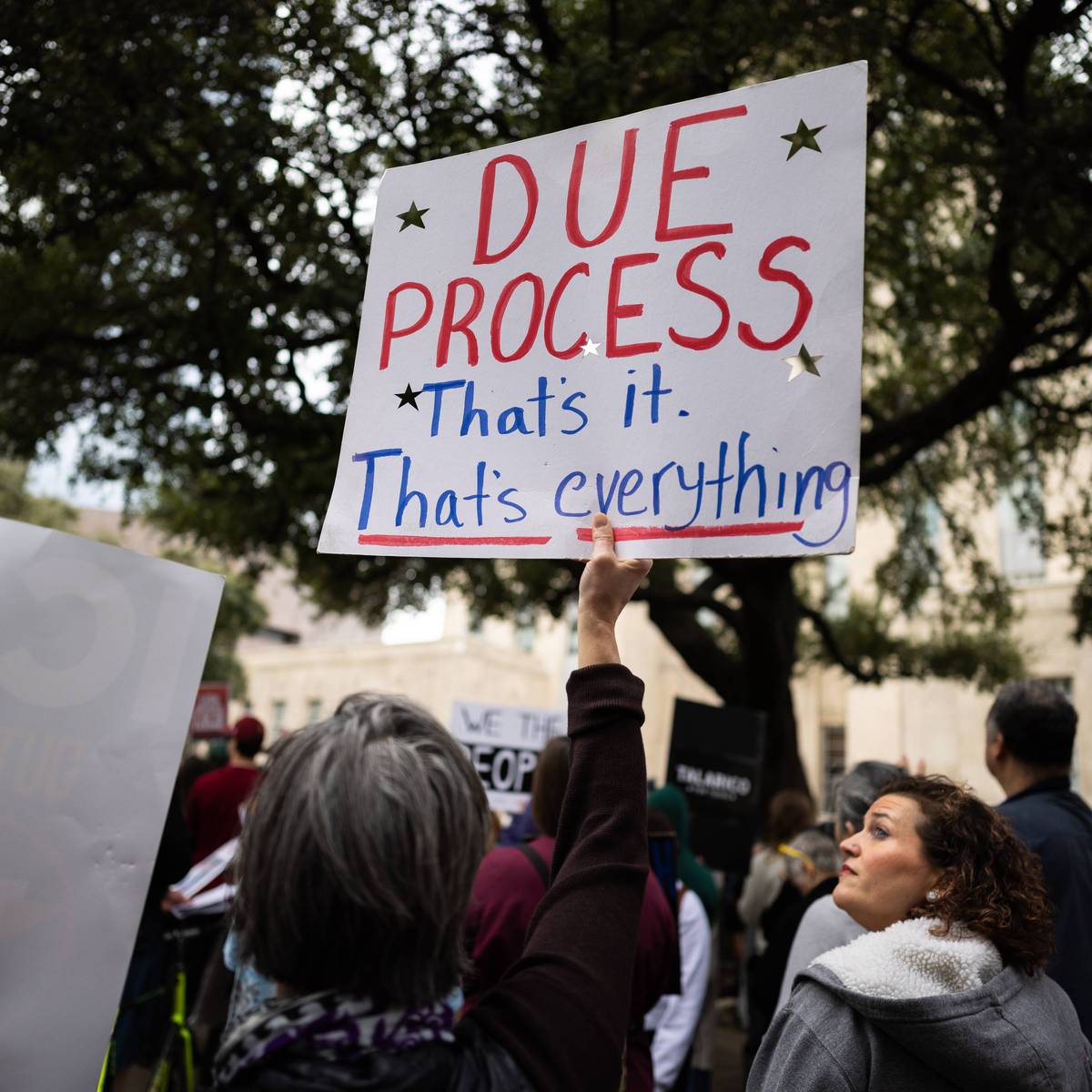
Sign reads, ''Due process: That's it. That's everything.'' during an anti-ICE demonstration at Houston City Hall

‘Fucking Insane’: Journalist Finds at Least 2,300 Illegal ICE Detentions Since July

Camp East Montana was constructed in August as part of the Trump administration’s effort to ramp up Immigration and Customs Enforcement’s (ICE) “mass deportation” of immigrants. The selection of Fort Bliss has historical precedent, having previously been used as a site for the internment of Japanese people during World War II.

Using a secretive contract undisclosed to the public, the Pentagon awarded roughly $1.2 billion to a private contractor in July to construct a sprawling tent city to hold around 5,000 people rounded up by ICE.

X post: https://x.com/Ramos4Texas/status/2021294541693911121?ref_src=twsrc%5Etfw%7Ctwcamp%5Etweetembed%7Ctwterm%5E2021294541693911121%7Ctwgr%5E54aec20c3de9939a0241f68948ba83224c056745%7Ctwcon%5Es1_c10&ref_url=https%3A%2F%2Fwww.commondreams.org%2Fnews%2Ffort-bliss-inhumane-ice-conditions

“Almost immediately upon its opening, detainees, their families, and legal watchdog organizations began bringing attention to conditions that were deemed unsuitable for detainees, even by internal standards set by Immigration and Customs Enforcement,” the legislators wrote in a letter to state Rep. Cole Hefner (R-5), who chairs the House Committee on Homeland Security, Public Safety, and Veterans Affairs.

During the camp’s first 50 days of operation, ICE inspections revealed that it had violated more than 60 federal detention standards. The report, compiled in September, was not released to the public, but was reported on by the Washington Postwhich spoke with dozens of detainees.

“On ICE’s webpage titled ‘Detention Management,’ it states that ‘detention is non-punitive,’” the legislators wrote Tuesday. “Yet, according to reporting by the Washington Post based on sworn statements from dozens of detainees, the facility, for months, was being run like a prison in a country without standards for oversight, health, or safety for the inmates.”

“There were complaints that the toilets and sinks didn’t work for the first few weeks after the facility’s opening last August. There were complaints logged that, for the first few weeks, the facility didn’t adequately feed detainees. They also complained about another violation of ICE standards: the lack of access to telephones for detainees to communicate with family and legal representation,” they continued.

Earlier this week, US Rep. Veronica Escobar (D-Texas), who visited the facility unannounced on Friday, disclosed that at least two cases of tuberculosis and 18 cases of Covid-19 had been identified at the facility.

“While the private corporation continues to pocket our tax dollars, it’s clear the conditions are only getting worse,” she said.

https://twitter.com/i/status/2019845375075709074

The state lawmakers also cited a letter sent by the ACLU, Human Rights Watch, and several other civil rights groups in December addressing “cases of illegal, extrajudicial attempts to deport detainees to Mexico.”

One inmate, a Cuban immigrant identified as “Benjamin,” said he was threatened by guards who attempted to make him sign a letter agreeing to be deported to Mexico.

“The guards told him that if he did not, they would handcuff him, put a bag over his head, and send him to Mexico. Benjamin refused to sign the document, stating that he was scared to go to Mexico, because he had heard that migrants are often kidnapped, robbed, or killed there,” the ACLU letter said.

The letter also provided several examples of inmates being subject to physical and sexual assault at the hands of officers.

“People detained at Fort Bliss report that officers have crushed detainees’ testicles with their fingers, slammed detained people to the ground, stomped on detained people and punched their faces, and beaten detained people even after they are cuffed and restrained,” it said.

The legislators also noted that three detainees have died in the facility in just two months.

On December 3, 48-year-old Guatemalan inmate Francisco Gaspar-Andrés was reported to have died of natural causes, namely liver and kidney failure, according to an ICE press release.

Since then, two other inmates have died. On January 14, 36-year-old Victor Manuel Diaz was found dead of an apparent suicide, though the cause of death remains under investigation.

Prior to that, the Department of Homeland Security reported that the death of another inmate, 55-year-old Geraldo Lunas Campos from Cuba, on January 3, was also a suicide.

However, witnesses have said they saw guards choking Lunas Campos and that he was heard saying, “I can’t breathe.” His death has since been ruled a homicide after an autopsy revealed the cause of death to have been “asphyxia due to neck and torso compression.”

The letter notes that while Lunas Campos was “convicted of heinous crimes,” including sexual contact with an 11-year-old, “he was not sentenced to death by a judge or jury—he was killed by someone responsible for his care, for unknown reasons or circumstances.”

“It is our responsibility as Texas legislators to ensure that we can trust that jails, prisons, and detention facilities in Texas operate to our high standards and expectations,” the lawmakers said. “We must learn more, investigate, and provide answers to the millions of Americans demanding the truth. We must also ensure this does not happen again in any federal detention facility.”

The call for an investigation comes as DHS plans to rapidly convert at least around two dozen warehouses into massive new detention centers across the country. At least three of these locations are planned for Texas. One of them, planned for the town of Hutchins outside Dallas, is expected to hold around 9,500 inmates.

The legislators said: “Human rights abuses, ignoring due process requirements, repeated violation of federal regulations, clear disrespect for the United States Constitution, and murder are unconscionable on any inch of American soil—but these crimes against real people are happening in Texas, and require proud Texans to stand up in defense of our Constitution and use our power to end this widespread abuse.”

Our work is licensed under Creative Commons (CC BY-NC-ND 3.0). Feel free to republish and share widely.

Stephen Prager

Stephen Prager is a staff writer for Common Dreams.

Full Bio >

‘Our Democracy Depends on Rejecting This Charade’: GOP Pushes Bills to Prevent Millions From Voting

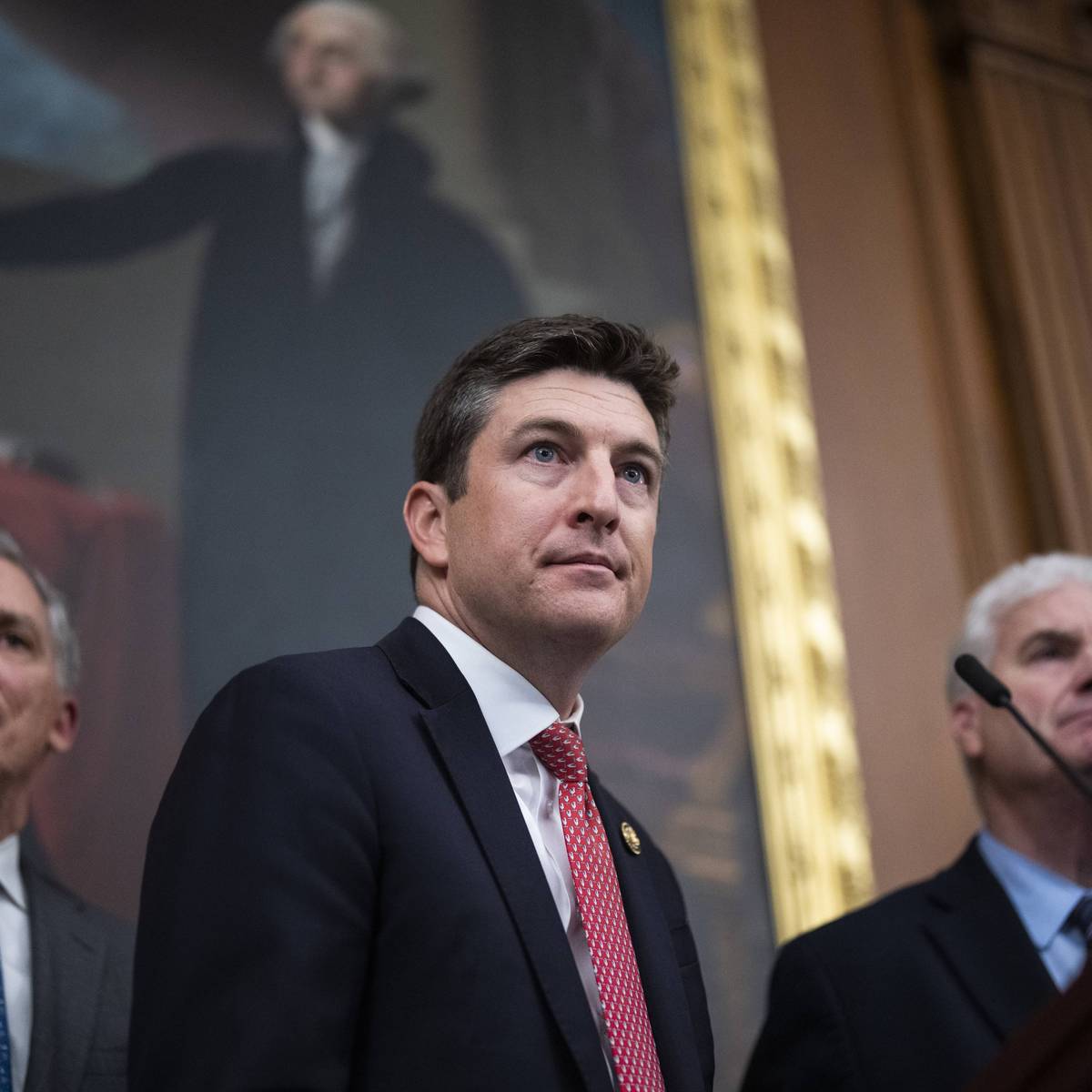
US Rep. Bryan Steil

US Rep. Bryan Steil (R-Wis.) speaks during a House Rules Committee meeting on February 10, 2026 in Washington, DC. 

(Photo by Samuel Corum/Getty Images)

“It is Trump’s power grab in legislative garb,” said one expert.

Jake Johnson

Feb 11, 2026 (CommonDreams.org)

Congressional Republicans on Tuesday held hearings on a pair of bills that watchdogs, election experts, and Democratic lawmakers characterized as brazen and dangerous efforts to suppress voter turnout in service of President Donald Trump’s broader assault on democracy—which has included a call for the GOP to “nationalize the voting.”

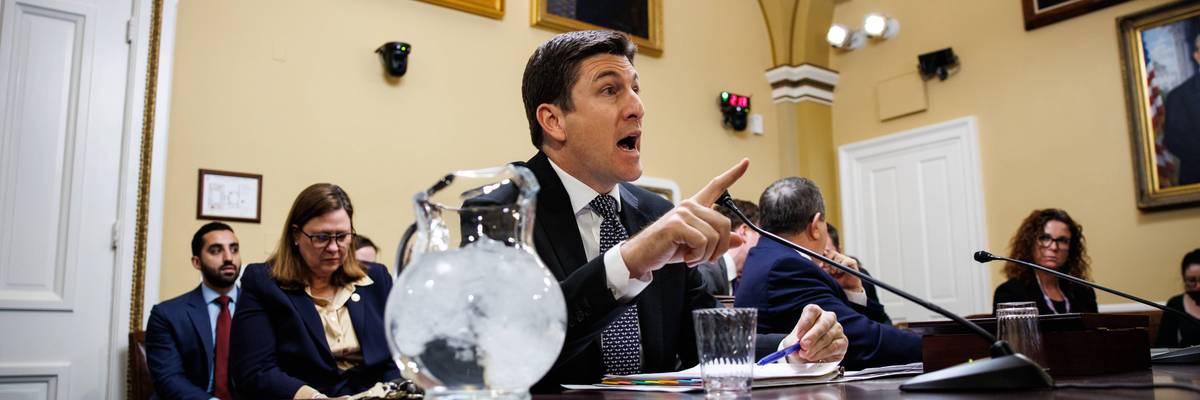
Tuesday’s hearings, held by the House Committees on Rules and Administration, featured a revived version of the Safeguard American Voter Eligibility Act (SAVE) Act and Rep. Bryan Steil’s (R-Wis.) newly introduced Make Elections Great Again (MEGA) Act, which one analyst described as possibly the “most dangerous attack on voting rights ever” unveiled in the US Congress.

RECOMMENDED…

GENIUS Act Presser

‘Most Dangerous Attack on Voting Rights Ever’? New GOP Election Bill Sparks Dire Warnings

Speaker Johnson Holds Press Conference On House Passage Of SAVE America Act

Republicans Approve ‘Dystopian’ Voter Suppression Bill That Would Force States to Give Info to DHS

During his opening remarks at the House Administration Committee hearing on the MEGA Act, the panel’s ranking member, Rep. Joe Morelle (D-NY), said that “this scheme is not just how Republicans plan to take over our elections, it’s how they plan to take over our country.”

“Republicans know that they have one hope at winning the next election: change the rules of the game, destroy the rule of law, and desert any last remaining shred of allegiance to the United States Constitution,” Morelle added.

https://twitter.com/i/status/2021288907493494858

Both the SAVE Act—which is expected to get a House vote this week—and the MEGA Act would impose severe restrictions on voting access by effectively eliminating voter registration by mail, implementing nationwide photo ID requirements, banning universal mail-in ballots for federal elections, allowing massive voter roll purges, and threatening nonpartisan election officials with imprisonment if they fail to uphold the bills’ strict voter documentation requirements.

If passed, the SAVE Act would require anyone registering to vote in federal elections to furnish documentary proof of US citizenship, such as a passport or birth certificate, in person. The Brennan Center for Justice has estimated that 21 million people in the US “lack ready access to these documents,” noting that “half of all Americans don’t have a passport, for example, and millions of married women who have changed their names might need to jump through extra hoops to vote.”

“Make no mistake: The SAVE Act would stop millions of American citizens from voting,” the Brennan Center wrote in an analysis of the legislation on Tuesday. “It would be the most restrictive voting bill ever passed by Congress. It is Trump’s power grab in legislative garb.”

The co-chairs of the Not Above the Law Coalition placed the voter suppression bills in the context of Trump’s “yearslong campaign of election lies and conspiracy to overturn the 2020 results” as well as “his recent attempts to nationalize election administration, and weaponization of the Department of Justice to intimidate voters and officials.”

“Republicans are falling in line by attempting to silence American voters under the guise of ‘election integrity,’” the coalition said. “House Republicans are doing Trump’s bidding instead of holding him accountable. The real threats to election integrity sit in the White House and among those enabling his authoritarian agenda. Our democracy depends on rejecting this charade and confronting Trump’s documented attacks on free and fair elections.”

The Trump White House has publicly endorsed the SAVE Act amid mounting fears that the president—animated by false claims of large-scale voter fraud—is moving to undermine the midterm elections later this year.

“It will be up to Democrats to hold their ground and ensure the SAVE Act’s ultimate defeat. It will be up to all of us to not be fooled by the myths and the lies—and protect our elections so they remain free and fair,” wrote Brennan Center president Michael Waldman. “And we should stand with election officials who now face threats of groundless criminal prosecution for doing their jobs.”

“For voters, who must have the most powerful voice in our democracy,” Waldman added, “the stakes are high, and getting higher.”

Our work is licensed under Creative Commons (CC BY-NC-ND 3.0). Feel free to republish and share widely.

Jake Johnson

Jake Johnson is a senior editor and staff writer for Common Dreams.

Full Bio >

Can Public Art Revive San Francisco Neighborhoods?

by Randy Shaw on February 9, 2026 (BeyondChron.org)

IKEA failed to revive Mid-Market

Is Retail Decline Permanent?

Last week I questioned San Francisco’s top strategy for revitalizing struggling neighborhoods (See “San Francisco’s Top Neighborhood Revival Strategy Isn’t Working”). I called for less emphasis on one-time events and for prioritizing strategies that sustain ongoing retail.

I got an overwhelmingly positive response. But one longtime neighborhood business advocate raised a good point—why should we expect San Francisco’s brick and mortar retail to match pre-online shopping days?

Consider: Many of us saw IKEA’s August 2023 opening in Mid-Market as a game-changer. The wildly popular store would return pre-Covid foot traffic to the area, triggering new retail openings nearby.

That hasn’t happened. After all, customers can order IKEA products online. They don’t need to come to 6th and Market.

Reviving San Francisco’s struggling neighborhoods requires accepting that many spaces will not be filled with traditional retail. Instead, permanent art installations that attract pedestrians can fill these spaces.

San Francisco’s Retail Decline

San Francisco’s ground-floor retail decline preceded Covid. In 2017 I urged the city to allow ground floor spaces under new housing construction to be housing rather than retail (See “Should the Internet Change How SF Uses Land?,” February 7, 2017).

Describing the retail decline as a “national trend,” I wrote:

An intriguing recent story out of New York City found that despite the economic upturn, vacancy rates are up in every Manhattan retail corridor. Some argue that unlike past downturns, this one is not cyclical. Brokers believe that “brick-and-mortar retailers will shrink dramatically during the next few years, so supply of retail space will outweigh demand for it.”

Those brokers were right.

Covid primarily impacted large retailers at the former Westfield Center or those occupying lower Powell Street leading to Union Square. The city’s post-COVID retail decline was then worsened by work form home and City Hall’s allowing open-air drug markets in the Central City.

It increasingly appears that the small business retail spaces that flourish in North Beach, Cow Hollow, Noe Valley, the Inner Richmond, Inner Sunset and other thriving neighborhoods are often not sustainable in Mid-Market, the Tenderloin, Downtown or around Union Square.

The city needs new strategies for bringing ground-floor spaces to life in these areas.

Can Public Art Revitalize Neighborhoods?

Housing is the most economically sustainable replacement for ground floor retail. But housing is not always feasible. And blocks whose ground floor spaces are all used for housing do not attract pedestrian traffic.

We see a lot of such blocks in the Tenderloin. Mid-block retail is absent in many areas, which has always hampered the neighborhood’s economy. This absence puts a premium on filling spaces in the few blocks that have consistent retail, which is why reviving Little Saigon is so essential.

Efforts are ongoing to fill Little Saigon vacancies. But if another year passes with so many vacant storefronts, Little Saigon’s capacity to again attract small businesses must be reconsidered.

Public art may be the key alternative strategy.

Artist Jeffrey Gibson’s 433-foot vinyl art installation “This Burning World” now covers the vacant Bloomingdales along Mission Street between 4th and 5th streets. Organizers “hope Gibson’s mural will bring more foot traffic to the area and encourage visitors to frequent surrounding shops, businesses and amenities.”

Gibson’s mural was funded by the Downtown Development Corporation and Yerba Buena Partnership community benefit district. According to the DDC’s Executive Director Shola Olatoye, “Public artworks like Gibson’s can quickly change how a place feels, especially when a property is in transition.”

While a Mission Street mural might not help Mid-Market, the DDC’s jurisdiction includes Mid-Market. With $60 million raised so far, the DDC is positioned to support art spaces in the critical row of vacant Market Street retail spaces between 7th and 5th Streets.

A row of dynamic public art would get people walking down Market Street again.

The Tenderloin is not covered by the DDC so must find another funding source for public art. Chris Larsen’s generous $5 million donation to revive Little Saigon will hopefully encourage others to support the cause.

Property owners obviously prefer a rent-paying retail tenant. But public and private sources can help incentivize non-retail ground-floor uses.

There are spaces on Market and in Little Saigon that have been vacant for years. At some point owners have to take a more realistic approach to their property.

And if pedestrian traffic is drawn to these areas to see art, whose to say that it won’t encourage new retail businesses? We need to get people to come down to Mid-Market and Little Saigon on a regular basis to then return for dining and entertainment.

Randy Shaw

Randy Shaw is the Editor of Beyond Chron and the Director of San Francisco’s Tenderloin Housing Clinic, which publishes Beyond Chron. Shaw’s new book is the revised and updated, The Tenderloin: Sex, Crime and Resistance in the Heart of San Francisco. His prior books include Generation Priced Out: Who Gets to Live in the New Urban America. The Activist’s Handbook: Winning Social Change in the 21st Century, and Beyond the Fields: Cesar Chavez, the UFW and the Struggle for Justice in the 21st Century.

More Posts

Trump’s $45 billion expansion of immigrant detention sites faces pushback from communities

Federal officials have been scouting cities and counties across the U.S. for places to hold more immigrants.

A man takes photos of a warehouse as federal officials tour the facility to consider repurposing it as an ICE detention facility Thursday, Jan. 15, 2026, in Belton, Mo.

A man takes photos of a warehouse as federal officials tour the facility to consider repurposing it as an ICE detention facility in Belton, Mo., on Jan. 15.Charlie Riedel / AP

Feb. 3, 2026, 7:09 AM PST / Source: The Associated Press (NBCNews.com)

By The Associated Press

With tensions high over federal immigration enforcement, some state and local officials are pushing back against attempts by President Donald Trump’s administration to house thousands of detained immigrants in their communities in converted warehouses, privately run facilities and county jails.NBC News Icon

Subscribe to read this story ad-free

Get unlimited access to ad-free articles and exclusive content.arrow

Federal officials have been scouting cities and counties across the U.S. for places to hold immigrants as they roll out a massive $45 billion expansion of detention facilities financed by Trump’s recent tax-cutting law.

The fatal shootings of Renee Good and Alex Pretti during immigration enforcement actions in Minnesota have amplified an already intense spotlight on U.S. Immigration and Customs Enforcement, increasing scrutiny of its plans for new detention sites.

A proposed ICE facility just north of Richmond, Virginia, drew hundreds of people last week to a tense public hearing of the Hanover County Board of Supervisors.

“You want what’s happening in Minnesota to go down in our own backyard? Build that detention center here, and that’s exactly what will happen,” resident Kimberly Matthews told county officials.

As a prospective ICE detention site became public, elected officials in Kansas City, Missouri, scrambled to pass an ordinance aimed at blocking it. And mayors in Oklahoma City and Salt Lake City — after raising concerns about building permits — announced last week that property owners won’t be selling or leasing their facilities for immigration detention.

Meanwhile, legislatures in several Democratic-led states pressed forward with bills aimed at blocking or discouraging ICE facilities. A New Mexico measure targets local government agreements to detain immigrants for ICE. A novel California proposal seeks to nudge companies running ICE facilities out of the state by imposing a 50% tax on their proceeds.

The number of ICE detention sites has doubled

More than 70,000 immigrants were being detained by ICE as of late December, up from 40,000 when Trump took office, according to federal data.

In a little over a year, the number of detention facilities used by ICE nearly doubled to 212 sites spread across 47 states and territories. Most of that growth came through existing contracts with the U.S. Marshals Service or deals to use empty beds at county jails.

Delaney Hall ICE detention facility in Newark
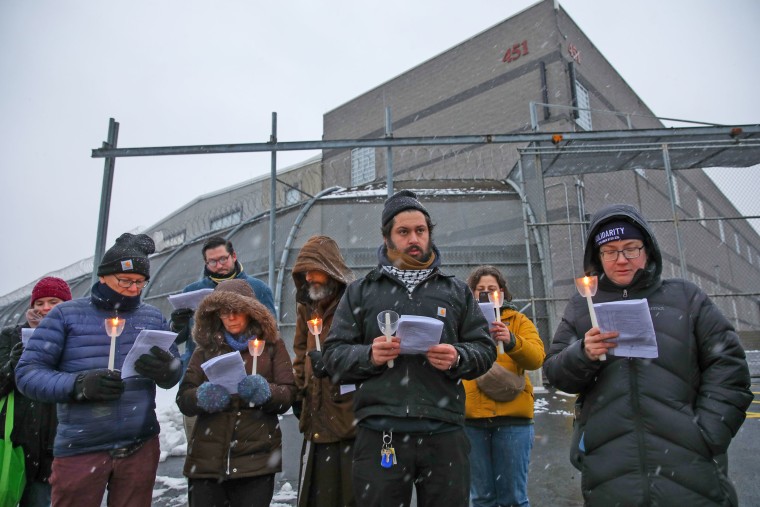
Demonstrators hold a vigil in tribute to Renée Nicole Good and Jean Wilson Brutus outside Delaney Hall immigration detention center in Newark, N.J., on Jan. 18. Brutus, a Haitian migrant, died in detention at Delaney Hall.Apolline Guillerot-Malick / Sipa USA via AP file

Trump’s administration now is taking steps to open more large-scale facilities. In January, ICE paid $102 million for a warehouse in Washington County, Maryland, $84 million for one in Berks County, Pennsylvania, and more than $70 million for one in Surprise, Arizona. It also solicited public comment on a proposed warehouse purchase in a flood plain in Chester, New York.

Federal immigration officials have toured large warehouses elsewhere, without releasing many details about the efforts.

“They will be very well structured detention facilities meeting our regular detention standards,” ICE said in a statement, adding: “It should not come as news that ICE will be making arrests in states across the U.S. and is actively working to expand detention space.”

Recommended

U.S. newsFAA reopens El Paso airport hours after saying it was grounding flights for 10 days

newsLive updates: Man says he was detained for questioning in Nancy Guthrie investigation and released

Detention site foes face legal limitations

State and local governments can decline to lease detention space to ICE, but they generally cannot prohibit businesses and private landowners from using their property for federal immigrant detention centers, said Danielle Jefferis, an associate law professor at the University of Nebraska who focuses on immigration and civil litigation.

In 2023, a federal court invalidated a California law barring private immigrant detention facilities for infringing on federal powers. A federal appeals court panel cited similar grounds in July while striking down a New Jersey law that forbade agreements to operate immigrant detention facilities.

After ICE officials recently toured a warehouse in Orlando, Florida, as a prospective site, local officials looked into ways to regulate or prevent it. But City Attorney Mayanne Downs advised them in a letter that “ICE is immune from any local regulation that interferes in any way with its federal mandate.”

Officials in Hanover County also asked their attorney to evaluate legal options after the Department of Homeland Security sent a letter confirming its intent to purchase a private property for use as an ICE processing facility. The building sits near retail businesses, hotels, restaurants and several neighborhoods.

Although some residents voiced concerns that an ICE facility could strain the county’s resources, there’s little the county can do to oppose it, said Board of Supervisors Chair Sean Davis.

“The federal government is generally exempt from our zoning regulations,” Davis said.

Kansas City tries to block new ICE detention site

Despite court rulings elsewhere, the City Council in Kansas City voted in January to impose a five-year moratorium on non-city-run detention facilities. The vote came on the same day ICE officials toured a nearly 1-million-square-foot (92,903-square-meter) warehouse as a prospective site.

Manny Abarca, a county lawmaker, said he initially was threatened with trespassing when he showed up but was eventually allowed inside the facility, where a deputy ICE field office director told him they were scouting for a 7,500-bed site.

Abarca is trying to fortify Kansas City’s resistance by proposing a countywide moratorium on permits, zoning changes and development plans for detention facilities not run by the county or a city.

“When federal power is putting communities on edge, local government has a responsibility to act where we have authority,” he said.

Protesters demonstrate outside a warehouse as federal officials tour it to consider repurposing it for an ICE detention facility in Kansas City
Protesters demonstrate outside a warehouse as federal officials tour it to consider repurposing it for an ICE detention facility in Kansas City on Jan. 15.Heather Hollingsworth / AP file

Kansas City is looking to follow a similar path as Leavenworth, Kansas, which has argued that private prison firm CoreCivic must have an operating permit to reopen a shuttered prison as an ICE detention facility.

As other ICE proposals have surfaced, officials in Social Circle, Georgia, El Paso, Texas, and Roxbury Township, New Jersey, all have raised concerns about a lack of water and sewer capacity to transform warehouses into detention sites.

Nationally, it remains to be seen whether local governments can effectively deter ICE facilities through building permits and regulations.

“We’re currently in a moment where it is being tested,” Jefferis said. “So there is no clear answer as to how the courts are going to come down.”

New Mexico targets existing ICE facilities

The Democratic-led New Mexico House on Friday passed legislation banning state and local government contracts for ICE detention facilities, sending it to the Senate. Similar bills are pending in Hawaii, Massachusetts, New York and Rhode Island.

The Otero County Processing Center, 25 miles (40 kilometers) from downtown El Paso, Texas, is one of three privately run ICE facilities that could be affected by the New Mexico legislation. The facility includes four immigration courtrooms and space for more than 1,000 detainees. The county financed its construction in 2007 with the intent to use it as a revenue source, and plans to pay off the remaining $16.5 million debt by 2028.

Otero County Attorney Roy Nichols said the county is prepared to sue the Legislature under a state law that prevents impairment of outstanding revenue bonds.

Republicans warned of job losses and economic fallout if the legislation forces immigrant detention centers to close.

But Democratic state Rep. Sarah Silva, who voted for the ban, and said her constituents in a heavily Hispanic area view the ICE facility as a burden.

“Our state can’t be complicit in the violations that ICE has been doing in places like Minneapolis,” Silva said. “To me that was beyond the tipping point.”

How about ‘Pretti Good Hospital’?

A move to replace Mark Zuckerberg with the people who died fighting ICE

By Serena Finney

February 9, 2026 (48hills.org)

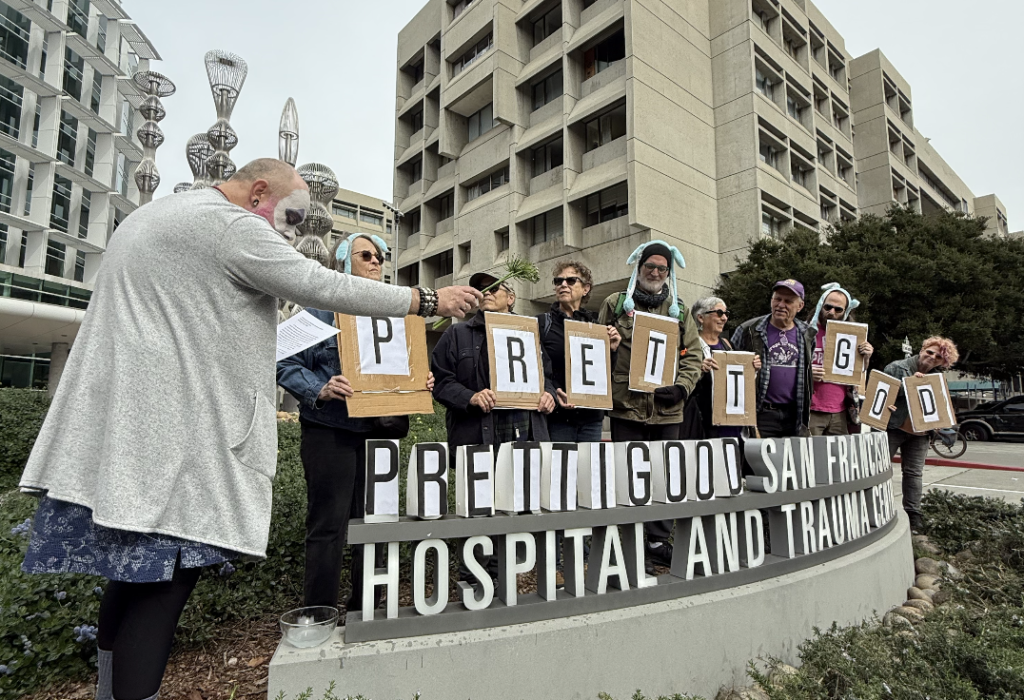
On Monday, lunch time in the plaza outside the Zuckerberg SF General Hospital and Trauma Center turned into a symbolic stage for a different type of surgery: a call to strip away a controversial name, and instead replace it with a name that reflects legacy and care. 

Sasha Cuttler, former supervisor Gordon Mar, and many other healthcare workers and community leaders gathered for this figurative renaming of San Francisco’s primary safety-net hospital. The new proposed name: “Pretti Good SF General.” 

Sasha Cuttler, a retired nurse and PhD who has spent years in the very walls of the hospital, argued the ethical values behind Meta, particularly privacy rights and the social platform’s role in polarization within politics, don’t reflect San Francisco values.o

While this name was in place during the symbolic renaming, Cuttler and others said they hope the public will have the opportunity to vote on whether to adopt the name permanently or keep the existing name. That would require a ballot measure—and a supervisor to sponsor it.

The name “Pretti Good” is a clever play on words, but within that is a tribute to Alex Pretti, a VA nurse, and Renee Good, a queer poet. Both died at the hands of ICE in Minneapolis, fighting for social justice.

Cuttler and others sought to contrast the bravery of frontline workers with the corporate greed of Meta CEO Mark Zuckerberg. 

To someone passing by the spirited chant “You say Pretti… I say Good…Pretti Good” might have sounded like a simple slogan. To those standing in the plaza the weight of the names defined a mark for justice. The call and response transcended the names of the fallen activists into a demand for better, and a more ethical tribute to the hospital’s name. 

This event marks a revived escalation of a battle that began in 2015, when the hospital was renamed following a $75 million donation from Zuckerberg. The taxpayers of San Francisco put up $1 billion to rebuild the hospital.

Mar said that “a public institution does not serve as a billboard for a billionaire.” 

To everyone in the crowd, it was clear that it was time to get “Zuck Off’ the hospital. 

While each speaker provided the crowd with political context, the energy of the event was driven by love. As the chants continued, the crowd took the symbolic transformation to the actual sign of the hospital. 

Brother Sin blesses the new name

Sasha placed the letterings over the actual sign to spell out “Pretti Good,” Brother Sin from The Sisters of Perpetual Indulgence blessed the new sign and anointed it: 

“May this hospital remember that it existed long before Zuckerberg bought his way on to this sign, and it will heal long after his empire crumbles. We cleanse this space of the delusions that wealth equals virtue, and restore it to the people who actually keep these patients alive.”