


- By Michael Redmond | Special to The Examiner
- Jun 24, 2026 (SFExaminer.com)
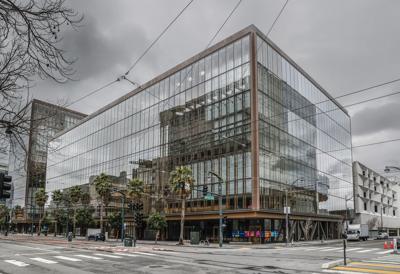
In San Francisco, the artificial-intelligence boom still has a remarkably clean public image. It looks like office towers refilling, restaurants getting lunch traffic again, young engineers moving into Mission Bay and city leaders building political careers on the narrative of recovery.
Across the rest of the country, it looks very different: Data centers the size of small towns; new substations, diesel generators and gas turbines; water issues; noise complaints; backroom deals; and local residents once again being told that the national interest requires them to absorb the costs.
As the global center of AI, San Francisco can no longer pretend these are separate stories.
For years, our city has wanted to be seen simultaneously as a climate leader and technology capital. It’s always been a difficult balance, but the AI boom is making it impossible to avoid choosing which should take priority.
OpenAI, a San Francisco-based company, is on track to lease a 10-gigawatt, 100% fossil-fuel-powered data center in Ohio. If completed, it would release as much greenhouse gas as nine average coal plants and increase total U.S. emissions by 0.5% each year.
That’s just one project. The International Energy Agency estimates the AI industry will dump 320 million metric tons of carbon pollution into the air by 2030 — the equivalent of putting tens of millions of new gas-powered cars on the road each year.
And it’s not just carbon emissions. Across the country, data centers used to train and run models for local companies such as Anthropic, Meta and OpenAI are draining millions of gallons of drinking water daily, spiking utility bills, slowing water pressure to a trickle and even turning tap water brown.
The AI boom is turning rivers, aquifers and wildlife habitat into collateral damage — more development, more noise, more water consumption, all to power Bay Area products sold as frictionless and inevitable.
San Francisco residents should be deeply uncomfortable with our role in this project. We have spent decades defending this city from bad-faith attacks by people who hate San Francisco because it is gay, liberal, immigrant, artistic, unruly or unwilling to apologize for itself.
Those attacks are dishonest, and they usually say more about the attackers than they do about The City. But if millions of people around the country come to resent San Francisco because companies based here are raising their utility bills, draining their water, polluting their air and reshaping their communities without consent, they will be right.
And if those same companies go public at fantasy valuations, make thousands of San Franciscans rich on paper, and then get folded into the pension funds and retirement accounts of ordinary Americans, the backlash will not stop at Wall Street when the bubble pops. People will know where the bubble was built — and they will hate us for that, too.
If San Franciscans and our elected leaders overwhelmingly embrace the AI boom because it fills office space, boosts high-end real estate, funds startups and makes downtown feel alive again, we are saying The City’s recovery matters more than the consequences of the industry driving it.
Ex // Top Stories
No stadium, no problem. SF still has FIFA World Cup excitement
Though matches are taking place 45 miles away from The City, neighborhoods have been rocking with large gatherings
These SF events will help carry you into Pride weekend
The City will host the 56th edition of its annual LGBTQ celebration, as well as concerts, dance performances and a perfume festival
SF Opera Pride Concert celebrates community with song and a party
Mezzo-soprano Nikola Printz said that performing for the LGBTQ community is a form of empowerment, even resistance
We are saying a company can be part of our local comeback while creating national harm, so long as that harm happens out of sight: Not in our backyard.
It doesn’t have to be this way. San Francisco should become the first major American city to insist that AI companies headquartered here fully account for the infrastructure they use everywhere else.
Any AI company seeking city contracts, public partnerships, tax preferences or a mayoral Instagram promo video should be required to publicly disclose the full environmental cost of its operations: data-center capacity, water use, emissions footprint, electrical-grid effects and community-benefit agreements.
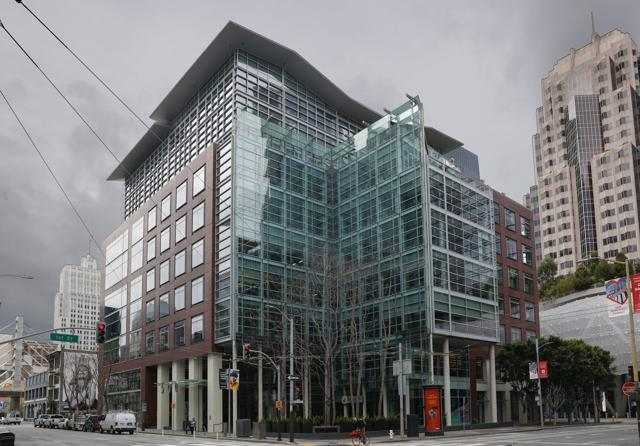

The City should pass legislation banning AI tools from companies that use unpermitted power generation, hide infrastructure effects or shift costs onto residential ratepayers. Supervisors should hold hearings not only on how AI will affect city services, but on how San Francisco-based companies are affecting communities far beyond city limits.
Pension funds, universities, philanthropies, sports teams and local institutions could follow suit and ask the same questions before investing in or partnering with these firms, too.
None of this is anti-business. For too long, San Francisco has acted as though asking its most powerful industries to meet basic public standards will send them running. We’ve always had higher tax rates than Miami or Austin, Texas, but AI companies came here because they crave what this city has: world-class talent, capital, universities, political legitimacy, cultural relevance and the mythology of building the future.
We should stop negotiating like we have no leverage, and start demanding that local businesses — even ones worth $1 trillion — actually live up to San Francisco’s professed values.
People across the country are revolting against the true cost of the AI boom. They’re feeling the pain in their utility bills, backyards, kitchen sinks and communities. San Francisco can either keep pretending that it has nothing to do with us, or we can stand up and hold these companies accountable to the values of the city that built them.
If we do, we can prove that being the capital of AI does not have to mean being the capital of extraction. If we do not, people will remember where this boom was built — and they will be right to blame us.
Michael Redmond is a San Francisco-based writer and communications strategist. He has a Master of Engineering from the University of Michigan and is a graduate of the Science, Technology and Public Policy Program at the Gerald R. Ford School of Public Policy.


