We asked every S.F. politician about the Marina Safeway proposal. Here are their answers.

San Francisco’s elected officials and significant candidates are put on the spot and on the record

by Joe Eskenazi and Junyao Yang December 15, 2025 (MissionLocal.org)
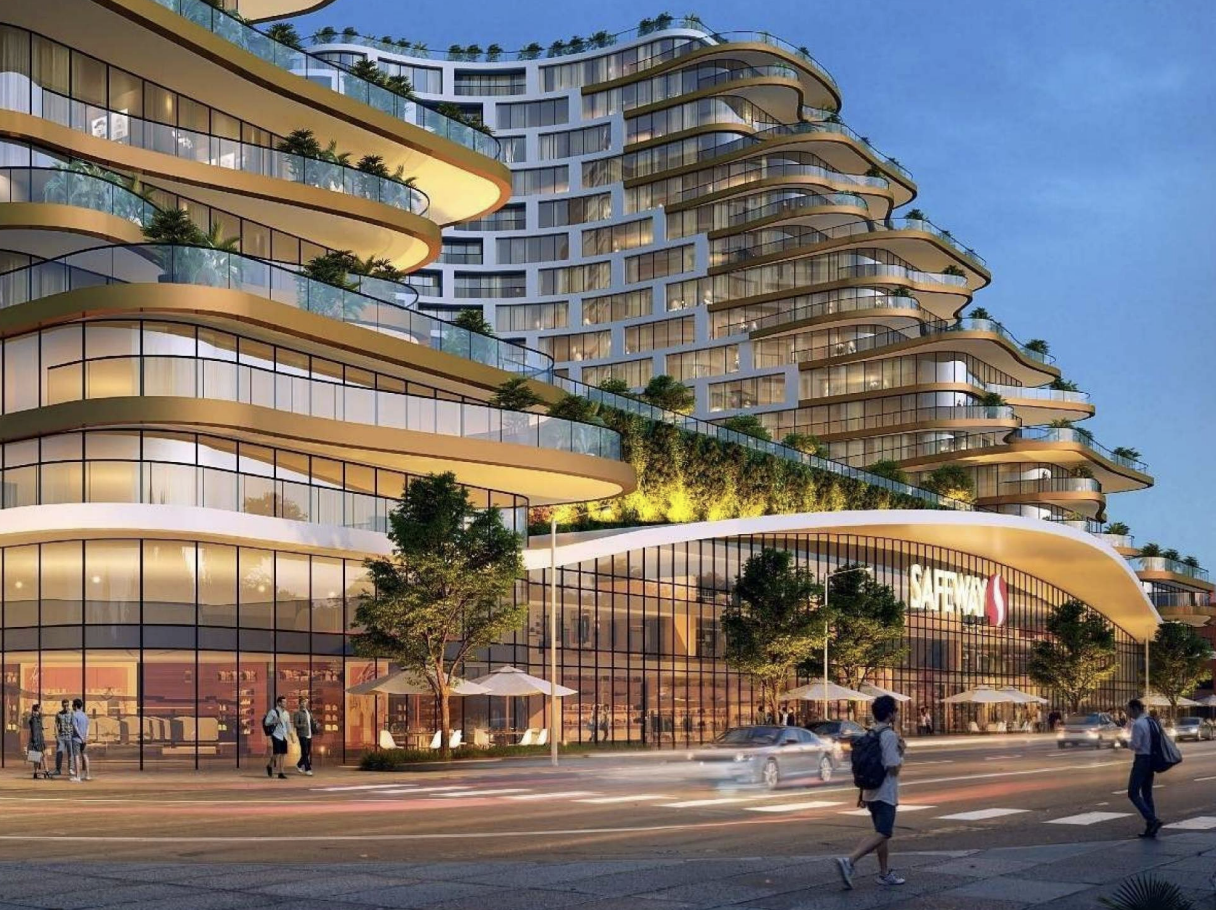
Modern multi-story building with glass facades, curved architecture, retail spaces at street level, and people walking on a busy sidewalk at dusk.

Rendering of the 25 story development proposed for the site of the Marina Safeway. Photo courtesy of Arquitectonica.

Say what you will about the Marina Safeway; it really looks like a Safeway.

The 1959 edifice served as something of the prototype for all future Safeways. It was, for the design of vast supermarket warehouses, what Margaret Hamilton’s performance as the Wicked Witch was for all future portrayals of cackling witches — the original, and the best.

A sprawling, 25-story, nearly 800-unit housing development has been proposed for this site, supermarket architectural heritage notwithstanding. And supermarket cultural heritage notwithstanding; this Safeway was immortalized as a heterosexual cruising hotspot in Armistead Maupin’s 1978 “Tales of the City.”

Mission Local has been unsuccessful in its attempts to reach Maupin to gauge his thoughts on the “Social Safeway” potentially being repurposed into the ground-floor tenant of an irregularly shaped crystal palace resembling the back end of a Princess cruise ship or, perhaps, the University of Miami “U” logo after one too many spring break Jägerbombs.

It would be a transformation rivaling that of mysterious landlady Mrs. Madrigal.

We did, however, reach everyone in San Francisco’s municipal, state and federal government, and the significant candidates aspiring for such positions.

For some officials, this is a situation that requires no small degree of semantic and logical jiu jitsu. On Dec. 12, Mayor Daniel Lurie signed into law his upzoning plan, adding height and density to broad swaths of the city, with particular emphasis on well-resourced neighborhoods that have resisted change.

But he, and several of his key allies, are shocked, shocked at a plan to add height and density to one of the city’s most well-well-resourced enclaves, and a place that has long proven nigh-invulnerable to change.

San Francisco’s present and aspirational leaders were all asked the following questions:

1. Do you support the current housing proposal for the Marina Safeway?

2. If not, what would you support there?

3. What is your position on the other three current Safeway housing proposals?

And here are their responses:

Support the Marina Safeway project

Oppose the Marina Safeway project

Ambiguous on the Marina Safeway project

Declined to answer

Link to more positions: https://missionlocal.org/2025/12/sf-marina-safeway-government-poll/?utm_medium=email&utm_campaign=Newspack%20Newsletter%20%28801972%29&utm_source=05b141c840&utm_source=Mission+Local&utm_campaign=6fdc366446-EMAIL_CAMPAIGN_2025_12_15_06_15&utm_medium=email&utm_term=0_-6fdc366446-220975212&mc_cid=6fdc366446&mc_eid=a503763a9b

Mayor

Daniel Lurie

Daniel Lurie

Mayor of San Francisco

1. Do you support the current housing proposal for the Marina Safeway?

The Family Zoning plan creates certainty for our neighborhoods, and the developer trying to sneak in a project right before the Family Zoning plan takes effect is a violation of the spirit of that work.

2. If not, what would you support there?

We want to see San Francisco build more housing that works for their respective neighborhoods.

3. What is your position on the other three current Safeway housing proposals?

As with every development proposal, the Mayor’s Office and Planning Department are reviewing these projects closely. What distinguishes them is that the developers did not seek to circumvent or preempt the Family Zoning plan before it goes into effect.Back ↑

District 1 supervisor
Connie Chan

Connie Chan

Board of Supervisors

Elected in 2020 and re-elected in November 2024

This is the Sacramento version of housing that destroys our neighborhoods. As this project has made clear, State Sen. Scott Wiener and legislators in Sacramento have put developers in the driver’s seat and we are all just along for the ride.

We need housing that’s affordable for working people and families. The proposed development at the Marina Safeway will only produce 10% — 86 total — of affordable units, out of almost 900.

I’ve advocated and negotiated for housing projects, including 100% affordable senior housing and market-rate family housing with affordable units on site. I’ve worked with non-profit housing developers and property owners on projects that have significant development, protect our small business, are built with prevailing wage and labor standards and preserve our history. That’s what we accomplished at the Alexandria Theatre. We can build the housing our neighborhoods and communities need.

There’s potential to rethink these Safeway sites in a way that truly serves San Franciscans, and builds housing that our teachers, nurses, firefighters and construction workers can afford.

Unfortunately due to state laws, it no longer matters what San Francisco needs — or our residents want.Back ↑

District 2 supervisor
Stephen Sherrill

Stephen Sherrill

Board of Supervisors

Appointed by Mayor London Breed in December 2024

1. Do you support the current housing proposal for the Marina Safeway?

I do not support the current Marina Safeway proposal. The project relies on an oddity in our current planning code that artificially inflates the base project size before state density bonuses are applied. That approach sidesteps the community’s work and undermines a thoughtful, democratic planning process. The Family Zoning Plan corrects this oddity, making any potential project much more appropriate for this spot.

Since taking office, I have worked parcel-by-parcel with every neighborhood association and merchant group in District 2 to understand where we can responsibly add housing so the next generation of San Franciscans can thrive. On Tuesday, I proudly voted yes on the Family Zoning Plan because it provides consistency, predictability, and a clear path for future housing development across the city.

2. If not, what would you support there?

In my conversations with neighbors, they have emphasized the critical importance of a grocery store with a pharmacy in the neighborhood. Any conversation about any potential project needs to start with uninterrupted access to a grocery store and pharmacy.

3. What is your position on the other three current Safeway housing proposals?

I will work with the Supervisors of the districts who represent those parcels as they know their neighborhoods best. I trust that they will thoughtfully go through the process of community outreach.Back ↑

District 3 supervisor
Danny Sauter

Danny Sauter

Board of Supervisors

Elected in November 2024

We need more housing in every neighborhood, especially the Marina. I appreciate that most of the recent Safeway proposals across the city are similar to the standards we had in mind when crafting the Family Zoning Plan: Reasonable additional height in commercial corridors. I think most people would agree with me that the Marina Safeway proposal doesn’t fit that, and I think we can do better.Back ↑

District 4 supervisor
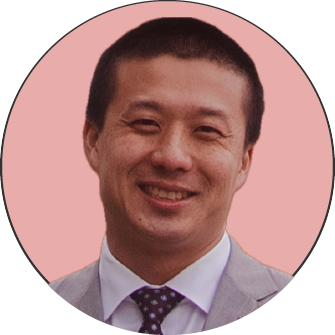
Alan Wong

Alan Wong

Board of Supervisors

Appointed by Mayor Daniel Lurie in December 2025

I support what is in line with the Family Zoning Plan.Back ↑

District 5 Supervisor
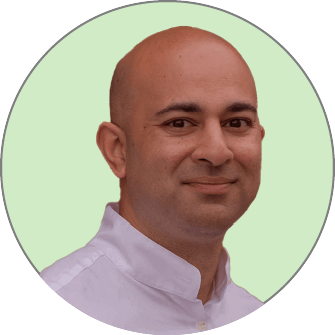
Bilal Mahmood

Bilal Mahmood

Board of Supervisors

Elected in November 2024

I am supportive of housing being built everywhere. I think it’s exciting to see different modalities being proposed, and different designs in different neighborhoods. If I have a concern, it’s that the developer biting off more than he can chew. Align has made commitments at the Fillmore site to have a grocery store long-term and short-term. For my constituents, I need to make sure they are being served there. I want to make sure Align follows through on that promise.

I cannot speak to what promises they’ve made in the other neighborhoods. My primary concern is making sure they follow through on their promises here [District 5]. Hopefully they don’t get stretched too thin.

My primary concern is making sure follow-through on the promises here and hopefully the developers don’t get stretched too thin.Back ↑

District 6 supervisor
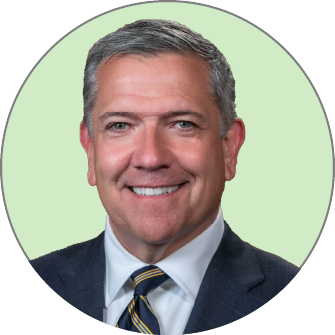
Matt Dorsey

Matt Dorsey

Board of Supervisors

Appointed by Mayor London Breed in 2022 and elected in November 2022

I like the design and I like the density. Everything else being equal, if this were to come before me at the Board of Supervisors, I would support it. With that said, I realize I represent a district of people who self-select to live in a high-density neighborhood. I myself live in a 24-story building. I am in the safest YIMBY district in San Francisco, if not California.

In the Fillmore, the proposal is not out-of-scale. There are definitely buildings there that are high-rises. The height really doesn’t bother me in the Marina, either. I know people in the neighborhood may feel differently.

I can say confidently, I would be supportive of the other housing proposals at other Safeways. I like density and I think having amenities like a supermarket is a good thing for a complete neighborhood. Absent some other factor that would really weigh against it, assuming we even have discretion, I would be inclined to support it.

My perspective on this may not be universal. But I like density. I want the supermarket in my development back. Hopefully the Whole Foods will open soon.Back ↑

District 7 supervisor
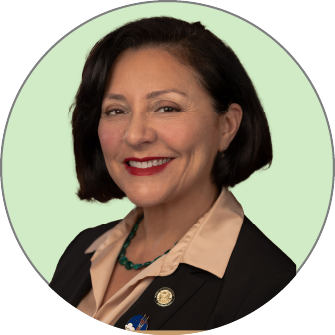
Myrna Melgar

Myrna Melgar

Board of Supervisors

Elected in 2022 and re-elected in November 2024

1. Do you support the current housing proposal for the Marina Safeway?

Yes.

3. What is your position on the other three current Safeway housing proposals?

Yes.Back ↑

District 8 supervisor
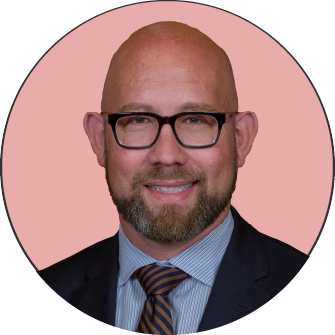
Rafael Mandelman

Rafael Mandelman

Board of Supervisors

Elected in 2018, and re-elected in 2022

I am inclined to support the non-Marina proposals, though I have not closely reviewed them. I would love to see housing move forward on the Market Street site, as anticipated in the Family Zoning legislation. Development along the waterfront should be consistent with our local height limits and San Francisco’s longstanding planning priority of avoiding tall buildings right at the waterfront.

My personal preference would be to step height back from the waterfront, and I think that’s basically just good planning, but what’s especially problematic about a proposal like the one for the Marina Safeway is that it bears no resemblance to the planned and debated height limits that have been locally evaluated, debated and approved.Back ↑

District 9 Supervisor
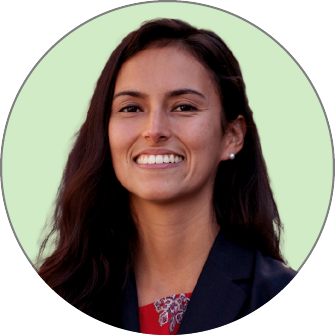
Jackie Fielder

Jackie Fielder

Board of Supervisors

Elected in November 2024

1. Do you support the current housing proposal for the Marina Safeway?

Yes, though wish it was more affordable.

3. What is your position on the other three current Safeway housing proposals?

Yes.Back ↑

District 10 Supervisor
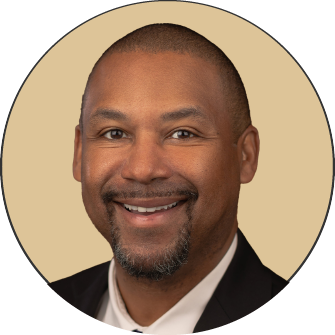
Shamann Walton

Shamann Walton

Board of Supervisors

Elected in 2018 and re-elected in November 2022

I will say that it seems highly hypocritical that the mayor doesn’t [support the Marina proposal], after forcing an ill-advised zoning plan on the city. I always knew the zoning plan was a farce and there are no plans to build coming from the mayor’s office.

It’s also fun knowing the mayor never had an intent to build anything outside of SoMa and the Southeast.Back ↑

District 11 Supervisor
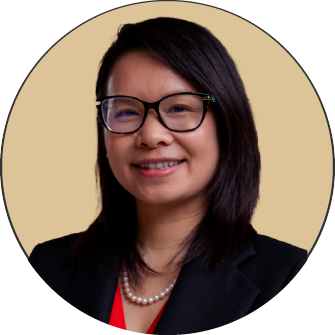
Chyanne Chen

Chyanne Chen

Board of Supervisors

Elected in November 2024

The latest proposal for development at the Marina Safeway is what happens when we turn all power over to developers to decide what’s best for our communities. Advocates of upzoning, density decontrol, streamlining and ministerial approval got what they wanted. Unfortunately, it leaves our communities out of the conversation. We have to ask ourselves how would the proposal look different if we instead prioritize thoughtful infill development that centers community needs and goals.

Again, I’m pro-housing, but it must be responsible, equitable and community-centered, with affordability maximized at every opportunity.Back ↑

District 2 supervisor candidate
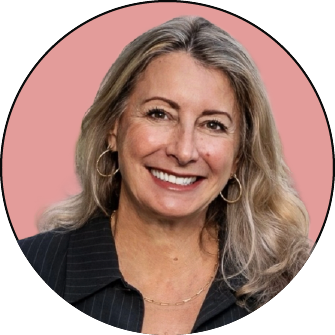
Lori Brooke

Lori Brooke

Founder of Neighborhoods United SF

1. Do you support the current housing proposal for the Marina Safeway?

No. And I think it’s important to hold accountable the politicians who are now claiming to oppose this project, even though their own votes and policies made it possible. That kind of messaging misleads the public and reflects a serious lack of accountability.

2. If not, what would you support there?

I would support housing that is actually affordable for San Franciscans, built at a scale that fits the neighborhood, and developed through a genuine community-driven process, not something imposed on residents without their input.

3. What is your position on the other three current Safeway housing proposals?

Those decisions should be made by the districts and the residents who live there. Each neighborhood deserves the right to shape what happens on its own commercial corridors.Back ↑

District 4 supervisor candidate
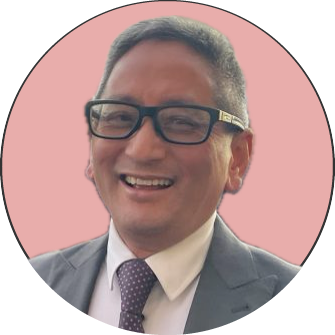
Albert Chow

Albert Chow

Owner of the Great Wall Hardware and supporter of Joel Engardio recall

1. Do you support the current housing proposal for the Marina Safeway?

I don’t support it.

2. If not, what would you support there?

It’s up to that district

3. What is your position on the other three current Safeway housing proposals?

It’s up to whatever the residents want in those areasBack ↑

District 4 supervisor candidate

Natalie Gee

Natalie Gee

Legislative aide to District 10 Supervisor Shamann Walton

Yes [I support the Marina proposal], but like all development, it’s important that we fight for as much affordable housing as possible.

My primary concern is District 4, so if there were a proposal to develop a Safeway site in the district, I would welcome building homes on that site, so long as there is still a quality, affordable grocery store, and the new development has the same amount or more parking (and electric vehicle charging stations). I would also want to make sure that if the store shuts down temporarily, the workers would be guaranteed their jobs at the proposed site and are assigned to other stores during construction.

As with any major decision affecting the neighborhood, I would want to hear from the community about their needs, and I would work with the developer to make sure the project was the best fit possible for the Sunset. I will work tirelessly to make sure we bring development that meets the needs of new and existing residents, fits the sunset, and makes our neighborhood a better place to live. That said, I will work equally hard to fight projects like the Sloat Blvd. skyscraper that are being proposed by scammers in bad faith.Back ↑

District 4 supervisor candidate
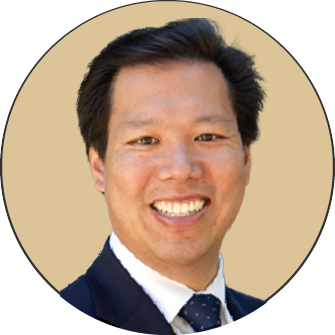
David Lee

David Lee

Former State Assembly and District 1 supervisor candidate

1. Do you support the current housing proposal for the Marina Safeway?

That is a District 2 question.

2. If not, what would you support there?

This is also a District 2 question.

3. What is your position on the other three current Safeway housing proposals?

I recognize that there is a need for building more housing. I hope their district representatives will work with their communities to find a compromise where the need for housing, access to a grocery store and mitigation of neighborhood impacts are considered.Back ↑

District 8 supervisor candidate
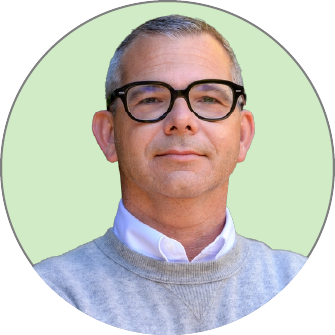
Gary McCoy

Gary McCoy

Aide to Rep. Nancy Pelosi and recovery advocate

1. Do you support the current housing proposal for the Marina Safeway?

Yes.

3. What is your position on the other three current Safeway housing proposals?

Absolutely yes.Back ↑

District 8 supervisor candidate
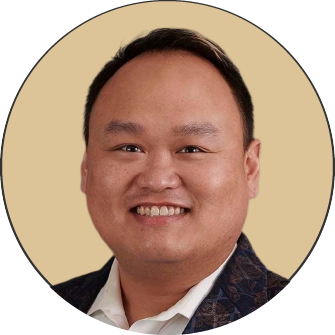
Michael Nguyen

Michael Nguyen

IP attorney, LGBTQ+ activist and drag performer

1. Do you support the current housing proposal for the Marina Safeway?

The 25 story behemoth feels a little out of place in the Marina. The very real backlash makes sense when you don’t get community input. That said, with the 86 affordable units it provides, 6X more affordable homes that have been built in the Marina in the past 2 decades, it is an opening salvo that I would hope will be a starting point for future negotiations.

2. If not, what would you support there?

I would support a mixed use development with more affordable housing built with middle income housing. I would want to get community input on how high the building would be, along with the size of units (2 and 3 bedrooms seem more appropriate for family-sized housing). If there’s room for more negotiation, I would advocate for implementing rent control / rent stabilization of the new units after a 30 year period of market rate housing so that, eventually, these units will become rent controlled. That, of course, assumes that Costa Hawkins gets repealed before the 30 year period ends.

3. What is your position on the other three current Safeway housing proposals?

I don’t support the current plans for the other 3 locations because they also seem to be skipping the neighborhood input step. However, I am excited that Safeway seems willing to start these development conversations after years of silence.Back ↑

District 8 supervisor candidate
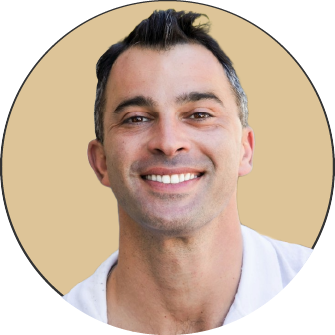
Manny Yekutiel

Manny Yekutiel

Owner of Manny’s and founder of Civic Joy Fund

1. Do you support the current housing proposal for the Marina Safeway?

I don’t have a position on this.

2. If not, what would you support there?

I’d defer to Supervisor Sherrill.

3. What is your position on the other three current Safeway housing proposals?

I wish the Safeway in the Castro was one of them!Back ↑

District 10 supervisor candidate
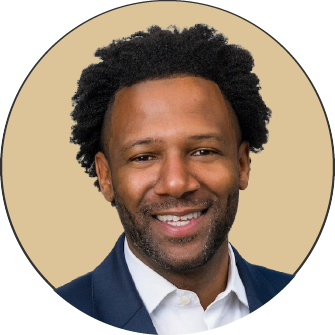
Unfilled

Theo Ellington

Policy director at legal and government relations firm Brownstein and interim executive director of Ruth Williams Opera House

I’m focused on solutions for the Southeast side of San Francisco, where parts of our community are food deserts and we have plenty of room to build. No debate needed — we welcome more housing and a new grocery store.Back ↑

District 10 supervisor candidate
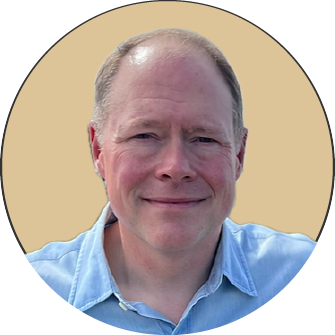
J.R. Eppler

J.R. Eppler

Business and nonprofit attorney, member of the Board of Appeals

I’m running in District 10, which does not have a Safeway—and in parts of the district, a lack of convenient, full service grocery options altogether. That said, I prefer projects where developers and neighbors can work together in good faith to create a plan that allows us to build housing that’s affordable and meets the needs of our communities. That’s what we did with the Sophie Maxwell building and I was proud to be part of that effort. Surprising neighbors and electeds with what appears to be fully baked plans is seldom a recipe for success.Back ↑

State Assemblymember
Matt Haney

Matt Haney

Elected in April 2022.

I don’t have a comment.Back ↑

State Assemblymember
Catherine Stefani

Catherine Stefani

Elected in November 2024.

1. Do you support the current housing proposal for the Marina Safeway?

No. The proposal that was submitted completely undermines the city’s careful work to create a predictable, community-informed framework for new housing. After two years of public process, analysis, and genuine collaboration on the Family Zoning plan, this project attempts to bypass those rules before they take effect. That kind of maneuver erodes public trust and fuels backlash at a time when we need stability and real pathways to build more homes across the city.

2. If not, what would you support there?

I support new housing and a modernized grocery store on this site. A reasonable, well-designed mixed-use project that respects the scale envisioned in the Family Zoning plan and preserves this essential neighborhood resource is entirely appropriate.

3. What is your position on the other three current Safeway housing proposals?

I support adding housing on underutilized sites citywide, including the other Safeway properties, as long as the projects follow the framework San Francisco just adopted and are not built by exploiting gaps or loopholes in the law. The public deserves a predictable, fair process, and developers should work in good faith with communities and stay within the rules San Francisco set to distribute housing growth across the entire city.Back ↑

State Senator
Scott Wiener

Scott Wiener

Elected in 2016 and re-elected in November 2024

1. Do you support the current housing proposal for the Marina Safeway?

I support dense housing at the Marina Safeway site. The current proposal is reasonable, and the city has already zoned the site for 550 homes, even without state law. The city has long planned for dense housing here.

I’m confident the developer will work with the City to refine the project to be the best possible. It’s also important to work toward keeping the Safeway open in some form during construction, or at least minimizing the length of the closure. Supermarket closures significantly impact residents, so minimizing the length of any closure is critical.

3. What is your position on the other three current Safeway housing proposals?

I support development of other Safeway sites as well, including in my own neighborhood, the Castro.

I’m the only candidate in the race who’s passed legislation to make it easier to build the homes we desperately need to lower the cost of living. It’s critical we continue to make progress on these issues.Back ↑

Congressional candidate

Saikat Chakarbarti

Saikat Chakarbarti

Former tech executive and former campaign manager and chief of staff for Rep. Alexandria Ocasio-Cortez

1. Do you support the current housing proposal for the Marina Safeway?

Yes. This proposal builds more affordable housing in the Marina than has been built in the last 15 years. There is also no risk of gentrification because it is in a wealthy neighborhood. It is absolutely the kind of place we should be building more housing.

However, I would love to see even more affordable units in the project – and my proposal for a Reconstruction Finance Corporation would be able to provide low-interest financing for this project in exchange for increasing the number of affordable units. That would be a priority for me in Congress.

I would also love to see a temporary grocery store while construction occurs and a prioritization of making sure the Safeway re-opens as fast as possible.

And I would, of course, prefer a project that has buy-in from neighbors as long as the total amount of housing, especially affordable housing, is still built. But we should not let perfect be the enemy of the good when we are in the middle of a housing crisis.

2. If not, what would you support there?

To your second question: See above.

3. What is your position on the other three current Safeway housing proposals?

To your third question:

Pretty much the same as my position on the Marina Safeway proposal, but I do want to point out the Fillmore proposal specifically. The Safeway there has already closed and that neighborhood has been desperate for a grocery store to replace it. I want to see the developer and city prioritize getting a new grocery store into the Fillmore site ASAP – regardless of future development plans.

I also would prioritize the Fillmore site for more affordable units to make sure that project does not lead to further gentrification and displacement. The Fillmore is one of the only Black communities left in San Francisco and has a horrible history of the city forcibly removing thousands of Black residents and attempting to erase Black culture from the “Harlem of the West” in the 1960s and ’70s through eminent domain and redevelopment. So any new plans for development must make sure the community there can afford to live in it.

Back ↑

Today’s Calls to Action

  • Click here to Ban Guns on College Campuses Nationwide
  • Click here to Tell Congress: Ban Bump Stocks
  • Click here to send a letter to your member of Congress: Everyone deserves to live in a community free of gun violence
  • Call your Member of Congress at (202) 224-3121 and tell them to support the Assault Weapon Ban of 2025 (HR 3115 and S.1531)

Laurie at a Parkland protest in 2018

Articles ~ Petitions ~ Events for Monday, Dec. 15 – Thursday, Dec. 18

By Adrienne Fong

RESOURCES:

 UPDATES WITH BAY RESISTANCE and get plugged to actions you can support, text “Resist” to 888-850-0928

GI HOTLINE (877) 477-4497

  – Share this number to people who know active duty service members

There are events listed on Indybay that might be of interest to you(many listings in the South, North & East Bays and beyond the bay area)

Please post your actions on Indybay: https://www.indybay.org/calendar/?page_id=12

See list of Calendar of Events on Palestine from AROChttps://www.araborganizing.org/events/ 

   If your post is about Palestine you can also list your action on the AROC calendar

Bay Area Progressive Action Calendar

  ATW Bay Area / NorCal — Action Together West

ARTICLES

A. Decades of Global Drone War Made Trump’s Caribbean Killing Spree Possible – December 13, 2025

Decades of Global Drone War Made Trump’s Caribbean Killing Spree Possible | Truthout 

B. Leadership of U.S. command in Latin America changes hands amid scrutiny over boat strikes – December 12, 2025

https://www.pbs.org/newshour/nation/leadership-of-u-s-command-in-latin-america-changes-hands-amid-scrutiny-over-boat-strikes

C. Israel continues to block foreign journalists from independently entering Gaza – December 10, 2025

Israel continues to block foreign journalists from independently entering Gaza – Middle East Monitor

D. In the wake of Trump’s “peace deal”, 200,000 displaced due to escalated M23 attacks on DRC – December 10, 2025

In the wake of Trump’s “peace deal”, 200,000 displaced due to escalated M23 attacks on DRC : Peoples Dispatch

E. Protest in Oslo Denounces Nobel Peace Prize for Right-Wing Machado

Protest in Oslo Denounces Nobel Peace Prize for Right-Wing Machado | Common Dreams

F. Trump Escalates in Venezuela With ‘Illegal’ US Seizure of Oil Tanker – December 10, 2025

Trump Escalates in Venezuela With ‘Illegal’ US Seizure of Oil Tanker | Common Dreams

G. ‘A Good Day for Our Democracy’: Judge Orders Trump to End National Guard Deployment in LA

‘A Good Day for Our Democracy’: Judge Orders Trump to End National Guard Deployment in LA | Common Dreams 

H. Afghan Blowback: CIA Death Squads Come Home to Target Refugees | State of Play | Greg Stoker – December 9, 2025  (YouTube)

Afghan Blowback: CIA Death Squads Come Home to Target Refugees | State of Play | Greg Stoker

I. Annual Defense Bill Includes Provision to Effectively Undo Israel Arms Embargoes – December 9, 2025

Annual Defense Bill Includes Provision to Effectively Undo Israel Arms Embargoes | Truthout

J. UC Berkeley suspends pro-Palestinian lecturer over political advocacy in classroom – December 9, 2025

UC Berkeley suspends lecturer over political advocacy

K. Venezuela VS US: Is Maduro Paying the Price for his support of Gaza – December 8, 2025

https://www.instagram.com/p/DSAW9ZSDihJ/ 

L. Chan stands up to her male colleagues—and suddenly they’re acting all offended – December 7, 2025

Chan stands up to her male colleagues—and suddenly they’re acting all offended – 48 hills

M. Kristi Noem Lies: Stop the Deportation of 340,000 Haitians with Temporary Protected Status – December 6, 2025

Kristi Noem Lies! – Haiti Action Committee  

  See Petition # 4

N. First as tragedy…then as farce! – December 5, 2025

https://www.instagram.com/p/DR45Sg4AqZU/

–        Kim Iversen

9 PETITIONS

1. Tell Congress: Pass the West Bank Violence Prevention Act

  SIGN: Tell Congress: Pass the West Bank Violence Prevention Act | Win Without War

2. Immediate Request for Public Testimony on Military Deployments in American Cities

  SIGN: Common Defense

Pete Hegseth is refusing to answer basic bipartisan questions about why U.S. troops are being sent into American cities

ahead of Thursday’s December 11 Senate hearing, his refusal to engage is even more troubling. Dodging accountability erodes trust, undermines readiness, and leaves the public in the dark about decisions that affect our communities.

3. Tell Congress: Impeach Pete Hegseth

  SIGN: Tell Congress: Impeach Pete Hegseth | Win Without War

4. Kristi Noem must go!

  SIGN: Kristi Noem must go! | MoveOn

5. Demand that the Unions call for a National General Strike to STOP THE GENOCIDE!

  SIGN: Petition · Demand that the Unions call for a National General Strike to STOP THE GENOCIDE! – United States · Change.org 

6. Tell Congress: Investigate Military Attacks on Venezuelan Boats

   SIGN: Tell Congress: Investigate Military Attacks on Venezuelan Boats

7. Tell SSA: Don’t Let Social Security Data Power ICE’s Deportation Machine

  SIGN: HollywoodDemocrats.com

8. De-ICE These Flights! Cruelty Won’t Fly

  SIGN: De-ICE These Flights! Cruelty Won’t Fly | Fight for a Union

9. Tell media companies: Stand up for free speech!

  SIGN: Tell media companies: Stand up for free speech!

EVENTS / ACTIONS

Monday, December 15 – Thursday, December 18

Monday, December 15

1. Monday, 12Noon – 1:00pm, Leafletting at non-Starbucks store to inform customers Re boycotting Starbucks

150 Van Ness Ave. (@ Hayes)
SF

On November 13, of 2025, over 1,000 baristas in more than 40 cities and65 stores, walked off the job starting an open ended Unfair LaborPractice strike calling it “Red Cup Rebellion.”  Baristas are risking it all going against a multi-billion dollar companyin a struggle for a fair contract. Starbucks, one of the largestcoffee-house chains in the world worth $93.5 billion, started as ahumble local coffee shop in Seattle, and now dominates the coffeeindustry.  However this success isn’t shared with  their workers.  Workers organized a union to battle the corporation demanding a livingwage and better working conditions.  According to the union, on November 5, union members voted 92 percent‘yes’ to authorize the strike as the company has refused to meet theunion on any of their demands. The union announced that they planned toturn Starbucks’ most popular sales day, “Red Cup Day,” to “Red CupRebellion.”  Info: Living Wage Coalition – SF     

2. Monday, 12:30pm – 1:30pm, No Monarchs Monday: Protest at Tesla in SF

At the Tesla Dealership
999 Van Ness (corner of Van Ness and O’Farrell
SF

No Monarchs Monday (the butterflies are ok).
Join us to stand up for democracy, civil liberties, and the planet, and against the fascist/authoritarian Trump Regime!

Bring a sign if you have one.

This is a peaceful protest.

Info: No Monarchs Monday: Protest at Tesla in SF : Indybay

Tuesday, December 16

3. Tuesday, 11:30am, Rally for Amazon Teamsters

SF City Hall
1 Dr. Carleton B. Goodlett Pl. (Steps – Polk St. side)
SF

The Amazon Teamsters are fighting hard for their first contract! You have a chance to help!

Tuesday, show some mighty solidarity and join them on the steps of San Francisco City Hall (Polk Street side) to demand that Amazon come to the bargaining table now!

Info from California Labor Federation

Info: Facebook 

Wednesday, December 17

4. Wednesday, 5:00pm – 6:00pm (PT)’ 8:00pm – 9:00pm (ET), Webinar: Palestine Through My Eyes

Online
https://www.zeffy.com/en-US/ticketing/threads-of-resistance

Past delegates will share their firsthand experiences from the ground in Palestine. Hear personal reflections, stories, and insights from those who have witnessed the violence of the occupation as well as the strength, creativity, and beauty of the Palestinian people, across the West Bank. Hear from delegates right after they return from our December 2025 delegation!

For more information: https://eyewitnesspalestine.org/upcoming-e…

Info: Webinar: Palestine Through My Eyes : Indybay

Thursday, December 18

5. Thursday, 3:00pm, Pack the Port: Get Killer Cargo Out of Oakland

530 Water St.
Oakland

3:00pm – Protest

4:30pm – Public Comment

It’s been 4 months since our report exposed the killer cargo flying out of the Oakland Airport — we demand that the Port of Oakland take action immediately.

Join us Thursday Dec 18 as we protest and pack Oakland’s port commissioner meeting to demand an end to the Israeli military cargo shipments flying out of Oakland’s civilian airport, OAK. Stay tuned for updates on timing at @oaklandarmsembargo.

As holiday packages fly in and out of the Oakland airport, they’re accompanied by deadly F-35 components headed to Israel. OAK should be a place we pick up our loved ones, not send F-35 fighter jet parts for genocide.

Show up to demand that our Port Commissioners respect the will of local residents and international law. Oaklanders did not consent to allowing killer cargo shipments flow from our airport to Israel, and we refuse to be complicit in genocide.

Instagram info:  https://www.instagram.com/oaklandarmsembargo/ 

Info: Pack the Port: Get Killer Cargo Out of Oakland : Indybay

Chartism

From Wikipedia, the free encyclopedia

A photograph of the Great Chartist Meeting on Kennington Common, London, 1848

Chartism[1] was a working-class movement for political reform in the United Kingdom that lasted from 1838 to 1857 and was strongest in 1839, 1842 and 1848. It took its name from the People’s Charter of 1838[2] and was a national protest movement, with particular strongholds of support in Northern England, the East Midlands, the Staffordshire Potteries, the Black Country and the South Wales Valleys, where working people depended on single industries and were subject to wild swings in economic activity. Chartism was less strong in places such as Bristol, that had more diversified economies.[3] The movement was fiercely opposed by government authorities, who finally suppressed it.

Support for the movement was at its highest when petitions signed by millions of working people were presented to the House of Commons. The strategy employed was to use the scale of support which these petitions and the accompanying mass meetings demonstrated to put pressure on politicians to concede universal manhood suffrage. Chartism thus relied on constitutional methods to secure its aims, though some became involved in insurrectionary activities, notably in South Wales and in Yorkshire.[citation needed]

The People’s Charter called for six reforms[4] to make the political system more democratic:

  • A vote for every man aged twenty-one years and above, of sound mind, and not undergoing punishment for a crime.
  • The secret ballot to protect the elector in the exercise of his vote.
  • No property qualification for Members of Parliament (MPs), to allow the constituencies to return the man of their choice.
  • Payment of Members, enabling tradesmen, working men, or other persons of modest means to leave or interrupt their livelihood to attend to the interests of the nation.
  • Equal constituencies, securing the same amount of representation for the same number of electors, instead of allowing less populous constituencies to have as much or more weight than larger ones.
  • Annual parliamentary elections, thus presenting the most effectual check to bribery and intimidation, since no purse could buy a constituency under a system of universal manhood suffrage in every twelve months.

Eventually, after Chartism died out, Britain adopted all but the last of these six reforms. Chartists saw themselves fighting against political corruption and for democracy in an industrial society, but attracted support beyond the radical political groups for economic reasons, such as opposing wage cuts and unemployment.[5][6]

Origin

The meeting of the Birmingham Political Union on 16 May 1832, attended by 200,000

After the passing of the Reform Act 1832, which failed to extend the vote beyond those owning property, the political leaders of the working class made speeches claiming that there had been a great act of betrayal. This sense that the working class had been betrayed by the middle class was strengthened by the actions of the Whig governments of the 1830s. Notably, the hated new Poor Law Amendment was passed in 1834, depriving working people of outdoor relief and driving the poor into workhouses, where families were separated.[7]: 1 

The massive wave of opposition to this measure in the north of England in the late 1830s made Chartism a mass movement. It seemed that only securing the vote for working men would change things. Dorothy Thompson, the preeminent historian of Chartism, defines the movement as the time when “thousands of working people considered that their problems could be solved by the political organization of the country.”[7]: 1  In 1836, the London Working Men’s Association was founded by William Lovett and Henry Hetherington,[8] providing a platform for Chartists in the southeast. The origins of Chartism in Wales can be traced to the foundation in the autumn of 1836 of Carmarthen Working Men’s Association.[9]

The English Industrial Revolution is one of the most important processes in contemporary history, resulting in a gradual but profound series of changes at all levels. Technological innovations enabled the introduction of machinery—which replaced human labor— and gave rise to the factory system, as well as the consolidation of industrial capitalism.

More at: https://en.wikipedia.org/wiki/Chartism

He toppled Stanford’s president as a freshman. Now he’s written a tell-all about the university

By Nanette Asimov, Staff Writer Dec 12, 2025 (SFChronicle.com)

Gift Article

Theo Baker, the Stanford freshman whose investigative reporting led to the ouster of the university’s president in 2023, has not yet graduated. His forthcoming book, an exposé about Stanford mixed with a bit of memoir, is due out this spring, a month before he graduates.Provided by Penguin Press, Courtesy of Theo Baker

It’s a hard act to follow. But Theo Baker, who managed to oust the president of Stanford University while a freshman reporter on his student newspaper, is now poised to explain “How to Rule the World,” the title of his forthcoming book about Stanford’s role in cultivating billionaires and other potentates.

Baker’s book, subtitled “An Education in Power at Stanford University,” is due out May 19, about a month before the author earns his college diploma — on time — in June. 

Baker was 17 in fall 2022 when he began working for the Stanford Daily and got a tip that scholarly papers co-authored by the university’s president, Marc Tessier-Lavigne, contained errors, including manipulated imagery.

Baker transformed into a dogged reporter not unlike his father, Peter Baker, chief White House correspondent for the New York Times, and his mother, Susan Glasser, a staff writer on the New Yorker. 

The freshman’s dozen or so investigative stories — tracked and followed by journalists across the country — prompted a Stanford investigation that found “serious flaws” among papers co-authored over 20 years by Tessier-Lavigne, a neuroscientist. He ultimately retracted three studies. The probe found no evidence that he knowingly falsified data. 

By summer 2023, Tessier-Lavigne resigned and Baker became the youngest recipient of the George Polk Award, one of journalism’s most prestigious prizes. 

With more than five months left before Baker’s book is out, neither he nor his publisher are talking about it yet or sharing early copies. A book description from Penguin Press sheds  light about its focus.

“Theo Baker showed up for freshman year at Stanford University as a tech-obsessed coder. It seemed like paradise. There were Rodin sculptures next to nuclear laboratories and inventors lounging with Olympians. But Baker soon discovered a culture that embraced corner-cutting, that vested infinite excess and access in the hands of kids with few safeguards to catch bad behavior.”

“How to Rule the World” is  part exposé of Stanford — “less a school than a business” where certain wealthy, brainy students are cultivated as future members of the “ruling elite” — and part memoir of the wunderkind who peeled back the curtain and revealed what he saw. 

Baker, now 20 and majoring in history, spoke with more than 250 people for his book: not only professors, students and campus administrators, but also former Secretary of State Condoleezza Rice, director of Stanford’s conservative Hoover Institution, and Stanford dropout Sam Altman, chief executive of OpenAI.

To write the book, Baker took off the fall and winter terms of his junior year — and no, no professor offered academic credit for his extracurricular efforts. 

Baker took high-unit courses to graduate on time. He also received course credit for helping teach “Coding for Social Good,” and relied on college-level credits he earned in high school.

Between writing “How to Rule the World” and toppling the leader of the nation’s third wealthiest university, Baker, as a sophomore, also gave the nation an in-depth account of campus tensions following the Oct. 7, 2023, Hamas invasion of Israel, and Israel’s counterinvasion. 

On March 26, 2024, the Atlantic Magazine published “The War at Stanford: I didn’t know that college could be a factory of unreason,” which begins with an account of a 23-year-old student in Baker’s computer science class telling student protesters that he supported killing then-President Joe Biden for being “guilty of mass murder” and that Hamas should instead govern the U.S.

While Baker acknowledged that this student’s views were atypical, “few students would call for Biden’s head — I think,” his article introduced readers to a historic period of rising student hysteria on the private, elite campus while mirroring the tensions on university campuses across the country at the time.  

Generations of students have protested Wall Street excesses, South African apartheid, the Vietnam War, and for civil rights — and been injured or even died for those causes. But until the current Middle East conflict, they rarely turned on each other. 

Stanford became “fractured” as the Middle East war escalated, Baker wrote. “Extremism has swept through classrooms and dorms, and it is becoming normal for students to be harassed and intimidated for their faith, heritage, or appearance — they have been called perpetrators of genocide for wearing kippahs, and accused of supporting terrorism for wearing keffiyehs.” 

As for where Baker stood in all of this, he wrote, “I grew up secularly, with no strong affiliation to Jewish culture.” He learned as a teenager that dozens of his relatives had died in the Holocaust, but said he did not feel a stronger emotional connection to having Jewish roots  until “I saw so many people I know cheering after Oct. 7.”

But his frustration about the conflicts on campus had “little to do with my own identity.” Instead, at one of the world’s greatest academic institutions, he discovered “a persistent anti-intellectual streak.”

He offered the example of complaints made to the university about parties where, in order for students to get in, they had to say “f— Israel” or “free Palestine.” 

“A place that was supposed to be a sanctuary from such unreason has become a factory for it,” he said, quoting a friend’s email. 

Baker’s book isn’t out yet. But some of his observations in the Atlantic piece nevertheless shed light on the university, historically an incubator of American leaders.  

“Readers may be tempted to discount the conduct displayed at Stanford,” he wrote. “After all, the thinking goes, these are privileged kids doing what they always do: embracing faux-radicalism in college before taking jobs in fintech or consulting. These students, some might say, aren’t representative of America.

“And yet they are representative of something: of the conduct many of the most accomplished students in my generation have accepted as tolerable, and what that means for the future of our country.” 

Dec 12, 2025

Nanette Asimov

Higher Education Reporter

Nanette covers California’s public universities – the University of California and California State University – as well as community colleges and private universities. She’s written about sexual misconduct at UC and Stanford, the precarious state of accreditation at City College of San Francisco, and what happens when the UC Berkeley student government discovers a gay rights opponent in its midst. She has exposed a private art college where students rack up massive levels of debt (one student’s topped $400k), and covered audits peering into UC finances, education lawsuits and countless student protests.

But writing about higher education also means getting a look at the brainy creations of students and faculty: Robotic suits that help paralyzed people walk. Online collections of folk songs going back hundreds of years. And innovations touching on everything from virtual reality to baseball.

Nanette is also covering the COVID-19 pandemic and served as health editor during the first six months of the crisis, which quickly ended her brief tenure as interim investigations editor.

Previously, Nanette covered K-12 education. Her stories led to changes in charter school laws, prompted a ban on Scientology in California public schools, and exposed cheating and censorship in testing.

A past president of the Society of Professional Journalists’ Northern California chapter, Nanette has a master’s degree in journalism from Columbia University and a B.A. in sociology from Queens College. She speaks English and Spanish.

NATIONAL BULLSH*T COMPANY: Watch NBC’s Gross ICE Propaganda

Status Coup News Dec 12, 2025 Status Coup reporter JT Cestkowski breaks down a recent NBC News report on ICE operations in the Minneapolis area and explains how it ignores—and distorts—huge parts of the real story and pushes the Trump administration’s propaganda.Status Coup has reported ON THE GROUND FOR MONTHS covering Trump’s ICE terror and protests against fascism in LA, NYC, Alligator Alcatraz, Chicago, Charlotte, and now Minneapolis. It’s very expensive & we’re INDEPENDENT. Support us for as low as $5 bucks a month: https://statuscoup.com/join DONATE to help fund Status Coup’s reporting: https://statuscoup.com/donate/ JOIN our Substack for investigative reporting & news: https://statuscoup.substack.com

We asked critics from authoritarian regimes what they wish they’d known sooner. Here’s what they said

Critics from Hungary, El Salvador and Turkey offer advice to the US about what they’ve learned about authoritarians

Building power is supported by

theguardian.org

About this content

Danielle Renwick Tue 9 Dec 2025

Donald Trump makes no secret of his admiration for strongmen like Hungary’s Viktor Orbán or El Salvador’s Nayib Bukele. Last month, he praised Orbán’s hardline stance on immigration and urged European leaders to show more “respect” for the president; earlier this year his administration struck a deal with Bukele to send more than 200 detained migrants to a notorious, maximum-security prison in El Salvador.

Many international organizationsexperts and historians have sounded the alarm about the United States heading in a similar direction as these authoritarian regimes.

Nearly a year into Trump’s second term, the Guardian asked activists and opposition leaders from Hungary, El Salvador and Turkey what their experiences have taught them about authoritarianism – and what they wish they’d understood sooner.

a person holds a sign that reads 'no ice in North Carolina'

Americans “should look to other countries, especially in the global south for solutions and for what not to do,” said Ece Temelkuran, a Turkish writer and author of How to Lose a Country. “Drop the arrogance, drop the exceptionalism.”

Stefania Kapronczay (Hungary), former head of the Hungarian Civil Liberties Union

a woman smiling
Stefania Kapronczay. Photograph: Daniel Byers

Trump’s consolidation of power in the US echoes prime minister Viktor Orbán’s authoritarian power grabs in Hungary, says Kapronczay. But with one important difference.

“It’s happening much faster, and it’s surprising for me that so many private companies and institutions just complied with the perceived or expressed will of President Trump,” she said. “I didn’t expect so many people would be so risk-averse.”

Orbán first rose to power in 1998 amid widespread disillusionment with the country’s political establishment during the post-cold war era. “Democracy promised economic prosperity and more equality, and it just didn’t deliver that,” said Kapronczay, now a senior fellow at Columbia Law School’s Human Rights Institute.

Even though his party lost control of parliament in 2002, Orbán returned as prime minister in 2010, and has since tightened his grip on power, changing voting rules to favor his party; stacking the judicial system with loyalists; and cracking down on universities, NGOs and the press. In 2022, the European parliament declared Hungary a “hybrid regime of electoral autocracy”.

In the period after his 2010 re-election, Orbán’s government pushed reforms that created some stability for the poorest of the society, Kapronczay said. “Authoritarians are responding to clear needs and frustration and anger in society.”

Kapronczay says she’s learned that opposition leaders need to pay closer attention to pocketbook issues. “Standing up for democracy, resisting and all this very abstract language will not reach the majority of society,” she said. “It’s only a very small progressive circle that resonates with that kind of messaging.”

But the authoritarian turn also “posed an opportunity for self-reflection”, she said. “If our previous tools are no longer working, how can we serve our mission in a more impactful way?”

For example, between 2010 and 2012, Orbán’s party restructured Hungary’s constitutional court, stacking the bench with political appointees and restricting its jurisdiction. “We [in civil society] were very concerned – and I think rightly so – but for a lot of people, the court was something really far away,” Kapronczay said. Many civil society groups failed to address everyday issues, like household incomes, schools and healthcare – “Even though these are the very issues [that affect whether people] feel a political system is working for them and whether they can make their voice heard,” she said.

Kapronczay says protests are important – particularly if the political opposition builds on them – but so are small, local gatherings that bring together people from a range of backgrounds and ideologies to solve shared concerns. “Autocrats really want to polarize the society, so any kind of initiative that goes against it is really important,” she said.

Hungary’s opposition has renewed energy in recent months. In June, tens of thousands of people, including Budapest’s mayor, showed up for a LGBTQ+ Pride parade that Orbán had banned. And polling shows that the opposition Tisza party, led by Péter Magyar, is leading Fidesz, Orbán’s party, ahead of next year’s elections.

“A lot of people believe that they can actually win the elections next year,” Kapronczay said. “Finally, there is a real competition, and that has enabled a lot of people to come out from self-censorship. My friends who are journalists say they have more sources coming forward. People are not so afraid to speak. Civil society and public life is much more vibrant than it has been in the past few years.”

Ece Temelkuran (Turkey), author of How to Lose a Country

a woman with her arms crossed
Ece Temelkuran. Photograph: Ece Temelkuran/Joanna Paciorek

Temelkuran says that while Recep Tayyip Erdoğan started to consolidate power during his first term as prime minister, it was his re-election, in 2007, that marked a “real shift” in Turkish politics.

“When they come to power for the second time, they feel more ruthless, and they behave as if there are no boundaries any more,” said Temelkuran. “I think especially in the leader’s head, that association of ‘me and the country’ [being] the same thing becomes very prominent when they seize power for the second time.”

Temelkuran had been reporting throughout Turkey as a columnist for the newspaper ​​Milliyet during Erdoğan’s rise in 2002. Early on, she saw his authoritarian tendencies: he regularly disparaged journalists and seemed to have little interest in politics as usual.

“[Autocrats] declare themselves as beyond politics,” said Temelkuran. “[They say:] ‘Politics is corrupt. Parties are corrupt. We’re clean.’ They create a movement, not a party.

“When you despise politics, that means that you are probably going to do something to democracy itself,” she added.

In the years since he became president in 2014, Erdoğan has jailed political opponents and critics, cracked down on protests and concentrated power in the executive branch.

After writing about Erdoğan and other autocrats for more than two decades, Temelkuran says Americans need to gear up for a “long game” of fighting to rebuild democracy. “It took Erdoğan 15 years to do what Trump did in 100 days,” she said. “If [Americans] do not accept the fact that this is a long game, and it will be brutal, I think you won’t have the patience and stamina to bear it.”

But Temelkuran says she sees a glimmer of hope in recent protests in Turkey, which were sparked by the arrest of Istanbul’s mayor, Ekrem İmamoğlu, on corruption charges. The charges are widely seen as an attempt to sideline a key rival of Erdoğan ahead of the 2028 presidential elections.

“This is the first time a conventional political party is accommodating or hosting the street protests,” she said. “It was always either the street protests or elections and party politics.”

The combination of the two – something Temelkuran says should have happened years ago – is breathing new life into Turkey’s main opposition party, she said. “These political parties, they’re like shipwrecks: metal structures, they’re dead. Street protests, youth politics come into them like shoaling fish, to turn them into living reefs.”

She said a successful opposition movement in the US would need to bring this same level of energy to the fight. “Many people, especially in America and in Europe, are organizing these fancy panels that normal people never go to. They’re building these NGOs that people are not interested in,” she said. “The only option is to propose a real change … and be absolutely courageous about it.”

Claudia Ortiz (El Salvador), federal deputy with the opposition Vamos party

a woman with her arms crossed
Claudia Ortiz. Photograph: Irving Rosales

Ortiz says that one important lesson she’s learned since the 2019 election of Nayib Bukele, the Salvadoran president, is that she and her party, which had been formed two years prior, need to do more than simply oppose him.

“You cannot make authoritarian leaders the center of your narrative,” said Ortiz. “You have to make the people the center of your narrative, and you have to be passionate about it.”

She said that means doing more to engage with citizens – and being prepared to be surprised by what they say. “A part of the cure for this is listening to people,” she said. “Don’t be so certain about what they want, what they need. You have to ask.”

The election of Bukele and his New Ideas party upended decades of two-party rule between the leftist and conservative parties.

“The parties that ruled the country in the past decades weren’t capable of building a solid democracy that delivered results in the daily life of people,” she said. “But we think that the road to overcoming that is not to destroy institutions, but to make them actually work.”

In the last six years, Bukele, who has famously called himself the “world’s coolest dictator”, has enacted emergency powers, suspending due process, and has appointed loyalists to the judiciary, allowing him to skirt a constitutional amendment against serving a second term.

His mano dura approach to crime has resulted in widespread rights abuses, including forced disappearances and torture; today the country has the world’s highest incarceration rate, according to rights groups.

Many journalists, opposition leaders and rights groups have fled the country.

Despite this, Bukele enjoys consistently high approval ratings, something Ortiz and other analysts attribute to real drops in crime and propaganda. But Ortiz said she believes cracks are starting to show.

people holding a signs

Under Bukele, she said, basic services like health and education have gotten worse and costs of living have gone up. “When reality knocks through your door and you don’t have enough food to eat, or you have a relative that’s been a victim of an arbitrary detention … that’s the moment where you say: ‘OK, this is reality, and it’s quite different from the propaganda’,” she said. “I think the honeymoon is passing.”

“Authoritarian systems give the appearance of performing, but their solutions are not thorough, they are not sustainable, and they are not fair,” she went on. “They will decay because the way they function is to exclude, abuse, and allow massive corruption.”

But she says she’s also learned to never underestimate the autocrat.

Whether it’s undermining the judiciary or intimidating local governments, “In many cases, you think, ‘No, they won’t do it,’” she says. “But we have seen how [centralization of power] has advanced very quickly. So it’s important that democracy is defended at every turn,” she said.

‘Why Is This Hard?’ Schumer Won’t Say He Opposes Regime Change in Venezuela

Senate Lawmakers Speak To Reporters Following Weekly Policy Luncheons

US Senate Minority Leader Chuck Schumer (D-NY) looks on as senators speak to reporters following a Senate Democratic policy luncheon at the US Capitol on December 9, 2025 in Washington, DC. 

(Photo by Heather Diehl/Getty Images)

“Twenty-five years ago, Chuck Schumer and Susan Collins both voted to send me and friends to kill and die in Iraq,” said US Senate candidate Graham Platner. “Apparently neither of them have learned a thing.”

Julia Conley

Dec 11, 2025 (CommonDreams.org)

https://trinitymedia.ai/player/trinity-player.php?pageURL=https%3A%2F%2Fwww.commondreams.org%2Fnews%2Ftrump-regime-change&contentHash=5ab1f62e272a46c7149e8429b0e460cbb07ec93da8ecea0fc307ee90d533d7c6&unitId=2900021701&userId=5752cafe-a61d-4177-b146-0c8454dc0ef8&isLegacyBrowser=false&version=20251212_1b5c4477fc57b37d654d828e7b6c06c6fd1c3895&useBunnyCDN=0&themeId=478&isMobile=0&unitType=tts-player&integrationType=web

US Rep. Ro Khanna suggested on Thursday that the top Democrat in the Senate had offered the latest evidence that the party needs “a new generation to lead… with moral clarity and conviction” after Sen. Chuck Schumer refused to denounce the Trump administration’s threats of regime change in Venezuela.

“Why is this hard?” asked Khanna (D-Calif.) after Schumer (D-NY), the Senate minority leader, told CNN‘s Jake Tapper Wednesday evening that “everyone would like” it if Venezuelan President Nicolás Maduro “would flee on his own” instead of stating that the US should not try to force out the South American leader.

RECOMMENDED…

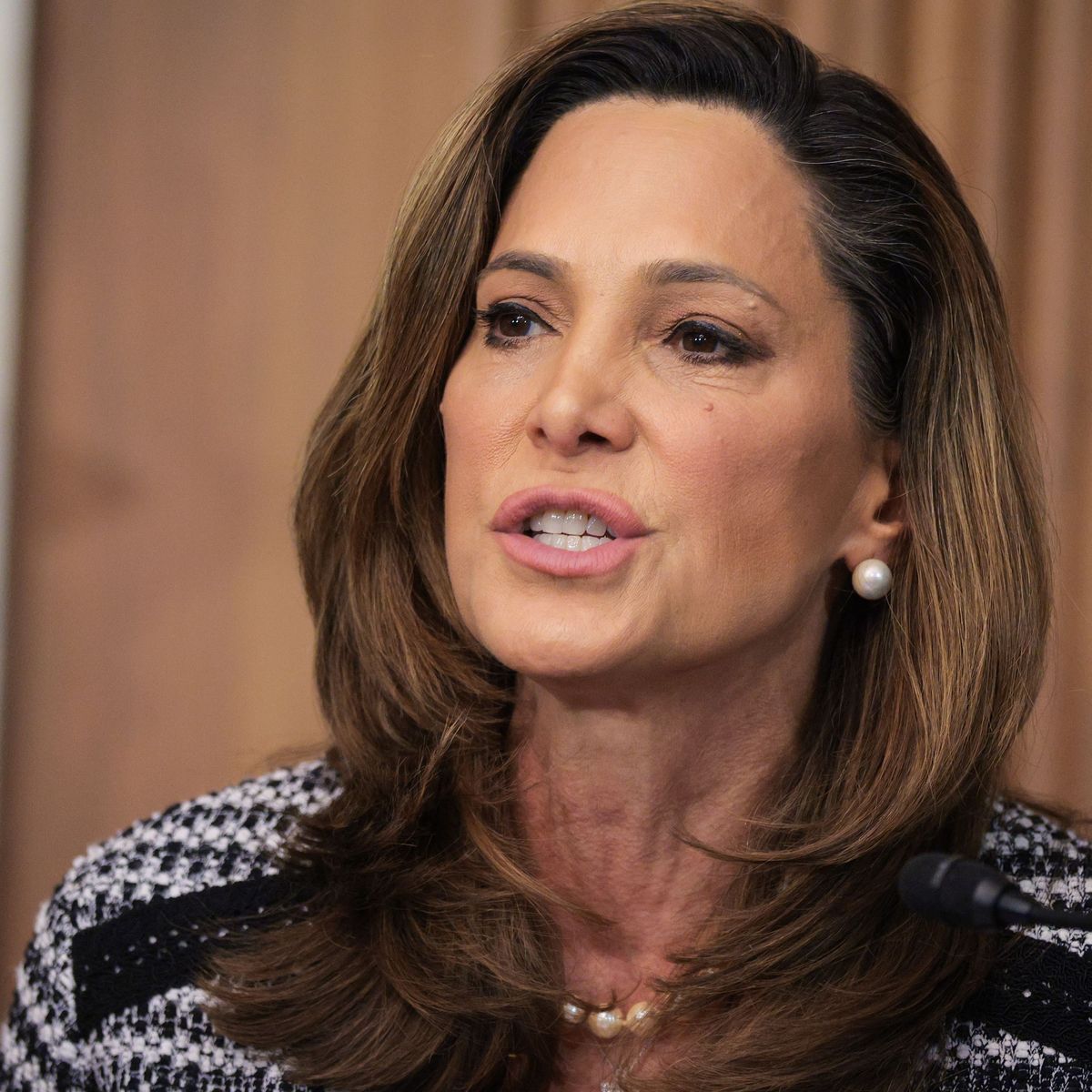
US Rep. Maria Salazar (R-Fla) speaks during a roundtable discussion

‘Venezuela, for the American Oil Companies, Will Be a Field Day,’ Says US Lawmaker Pushing Invasion

US Military Exercises Increase In Puerto Rico

US Troops Near Venezuela Reportedly Denied Holiday Leave as Fears Grow of Unpopular and Lengthy Trump War

When asked point-blank if he disagrees with President Donald Trump’s “ultimate goal of regime change in Venezuela,” Schumer turned his focus to the lack of clarity in the White House’s strategy.

“The bottom line is President Trump throws out so many different things in so many different ways. You don’t even know what the heck he’s talking about. You know, obviously, if Maduro would just flee on his own, everyone would like that. But we don’t know what the heck he’s up to when he talks about that,” said Schumer. “You cannot say I endorse this, I endorse that when Trump is all over the lot, not very specific and very worrisome at how far he might escalate.”

Schumer’s response, Khanna suggested, should have been: “Yes, Democrats oppose regime change war in Venezuela. Instead of wasting trillions on endless wars, we must invest in jobs, healthcare, and housing for Americans.”

The CNN interview took place hours after the US military seized an oil tanker off the coast of Venezuela in what one think tank called an “illegal” escalation. In recent weeks Trump has claimed he’s ordered the airspace above and around Venezuela closed—an action experts said he had no legal authority to take—authorized covert CIA action in the country, and this week said the US plans to “hit ‘em on land very soon,” threatening strikes against Venezuela as well as Mexico and Colombia.

The White House has aggressively pushed a narrative about the need to stop the trafficking of fentanyl from Venezuela—despite findings by the Drug Enforcement Administration and the United Nations that the country plays virtually no role in the flow of the drug into the US. At least 87 people have been killed in US military strikes on boats in the Caribbean and eastern Pacific since September—bombings that Defense Secretary Pete Hegseth and Trump have claimed without evidence have targeted “narco-terrorists,” but which Latin American officials, the family of one victim, and legal experts have denounced as extrajudicial killings and homicide.

Trump has previously signaled a desire to take control of Venezuela’s vast oil reserves.

On November 21, Trump reportedly spoke to Maduro in a phone call and offered him safe passage out of Venezuela if he abdicated power, in the most explicit confirmation that the administration is seeking regime change. A CBS/YouGov poll released two days later found that 70% of Americans oppose any military action in Venezuela.

Labor attorney Benjamin Dictor and Democratic US Senate candidate Graham Platner of Maine were among those who joined Khanna in condemning Schumer’s refusal to unequivocally reject the goal of forcing Maduro out through military action.

https://x.com/grahamformaine/status/1998956521443807324?ref_src=twsrc%5Etfw%7Ctwcamp%5Etweetembed%7Ctwterm%5E1998956521443807324%7Ctwgr%5Ebe3185bdae6fe33e1257a66d770e51c533fede2c%7Ctwcon%5Es1_c10&ref_url=https%3A%2F%2Fwww.commondreams.org%2Fnews%2Ftrump-regime-change

“Chuck Schumer is so spineless he can’t even affirmatively oppose illegal, unauthorized regime change by military force,” said Dictor.

Schumer has called for the passage of a war powers resolution to block the deployment of US forces in Venezuela. As Trump has continued the boat bombings and built up military presence in the Caribbean, two war powers resolutions aimed at stopping the US from striking boats and targets inside Venezuela have failed to pass.

But his refusal to speak out comes two months after journalist Aída Chávez reported that a “senior Democratic staffer” was “discouraging Democrats from coming out against regime change in Venezuela… arguing that opposing Trump and [Secretary of State Marco] Rubio’s regime change amounts to supporting Maduro.”

After Schumer’s interview, Matt Duss of the Center for International Policy joined in calling for “regime change in the Senate Democratic Caucus.”

Our work is licensed under Creative Commons (CC BY-NC-ND 3.0). Feel free to republish and share widely.

Julia Conley

Julia Conley is a staff writer for Common Dreams.

Full Bio >

Book: “Rogue Elephant: How the Republicans Went from the Party of Business to the Party of Chaos”

Rogue Elephant: How the Republicans Went from the Party of Business to the Party of Chaos

Paul Heideman

A well-researched exploration of how the Repubican party, unmoored from its traditional constituency of Big Business, has become more right-wing and less predictable

Rogue Elephant traces the radicalization of the Republican Party over the past fifty years, arguing that its subordination to Donald Trump was not an anomaly, but rather the culmination of processes at work for decades.

Providing a new perspective on figures from Newt Gingrich and George W. Bush to the Tea Party and Donald Trump, it shows that the party’s lurch to the far right was the product of a volatile mix of a disorganized party structure and a divided and fractious class of American business owners.

These forces have propelled ever more reactionary leaders to the front of the party, setting up cycles where the insurgents of one period become the party establishment of the next, and find themselves confronted with a new batch of insurgents even farther to the right.

The result is that a party that was once seen as the handmaiden of American business has increasingly found itself in conflict with business groups like the Chamber of Commerce.

Considering the implications of these dynamics for American democracy, Heideman warns that there may be no going back to normal for the Republican Party without a much broader transformation of American society.


About the author

Paul Heideman

I’m 6’3, and maintain a very consistent panda bear shape.

The state of the free press in the US is… not good

Photo of TRNN Editor-in-Chief Maximillian Alvarez (right) speaking on a panel with Eleanor Goldfield (center) and Mickey Huff (left) of Project Censored at Red Emma’s Cooperative Bookstore and Cafe in Baltimore, MD, on Nov. 22, 2025. Photo courtesy of Red Emma’s/Megan Berkobien.

Posted in Politics and Movements: US

“In the United States of America, here in the Year of Our Lord 2025, the state of the free press is not good… But you need to understand: They are going after us to disempower YOU.”

by Maximillian AlvarezMickey HuffEleanor Goldfield and Mischa Geracoulis

December 12, 2025 (therealnews.com)

Photo of TRNN Editor-in-Chief Maximillian Alvarez (right) speaking on a panel with Eleanor Goldfield (center) and Mickey Huff (left) of Project Censored at Red Emma’s Cooperative Bookstore and Cafe in Baltimore, MD, on Nov. 22, 2025. Photo courtesy of Red Emma’s/Megan Berkobien.

From direct attacks on the press from a fascistic federal government to the explosion of AI and the closure and consolidation of news outlets around the country, truth itself is under direct, relentless assault, as are the journalists who have committed their lives to reporting the truth about what’s happening in and to our world. And the intended result of these attacks is to create a more atomized, alienated, ignorant, disempowered public that is easier to divide, control, and manipulate. In this podcast, recorded at Red Emma’s Cooperative Bookstore and Cafe in Baltimore on Nov. 22, 2025, TRNN Editor-in-Chief Maximillian Alvarez speaks with Mickey Huff, Eleanor Goldfield, and Mischa Geracoulis from Project Censored about the world-shaping role media play in our politics today, and about how independent journalists and the communities they serve must work together to fight back against the powerful’s war on truth and truth-tellers.

Guests:

Credits:

  • Audio Post-Production: Alina Nehlich