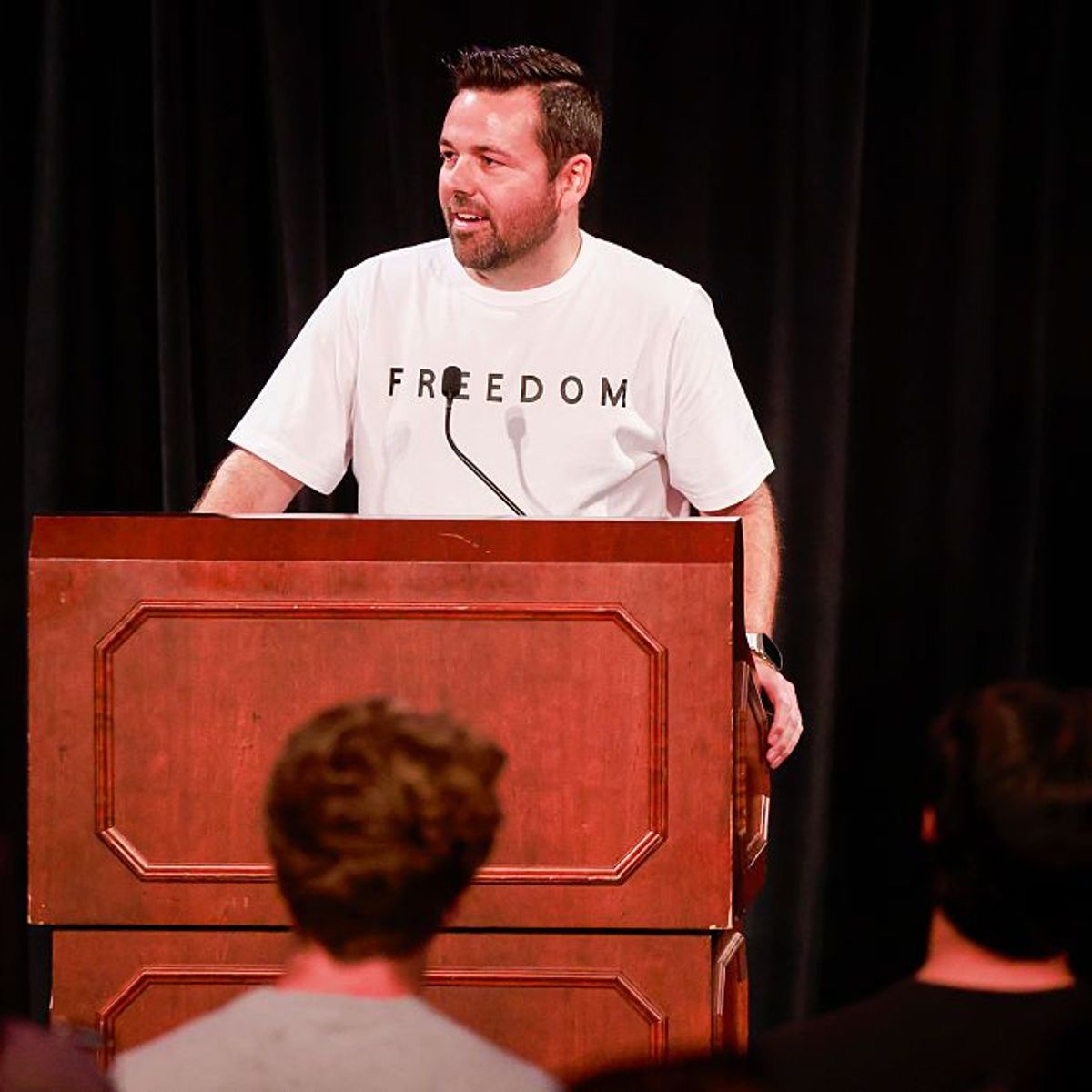
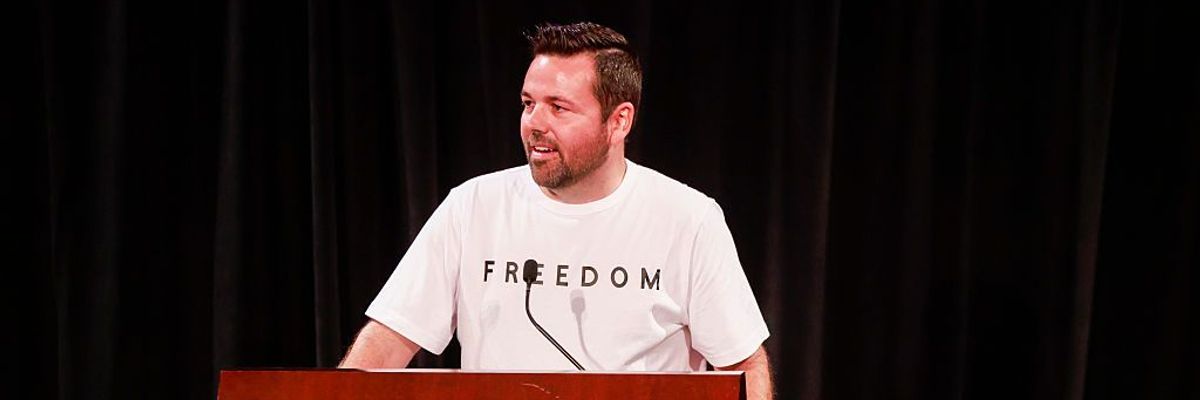
Indiana Lt. Governor Micah Beckwith speaks during a Remembering Charlie Kirk vigil hosted by Turning Point USA at Indiana University at the Indiana Memorial Union on September 14, 2025 in Bloomington, Indiana.
(Photo by Jeremy Hogan/Getty Images)
Some Indiana Republicans vocally objected to the president’s pressure campaign, with one saying Hoosiers “don’t like to be bullied in any fashion.”
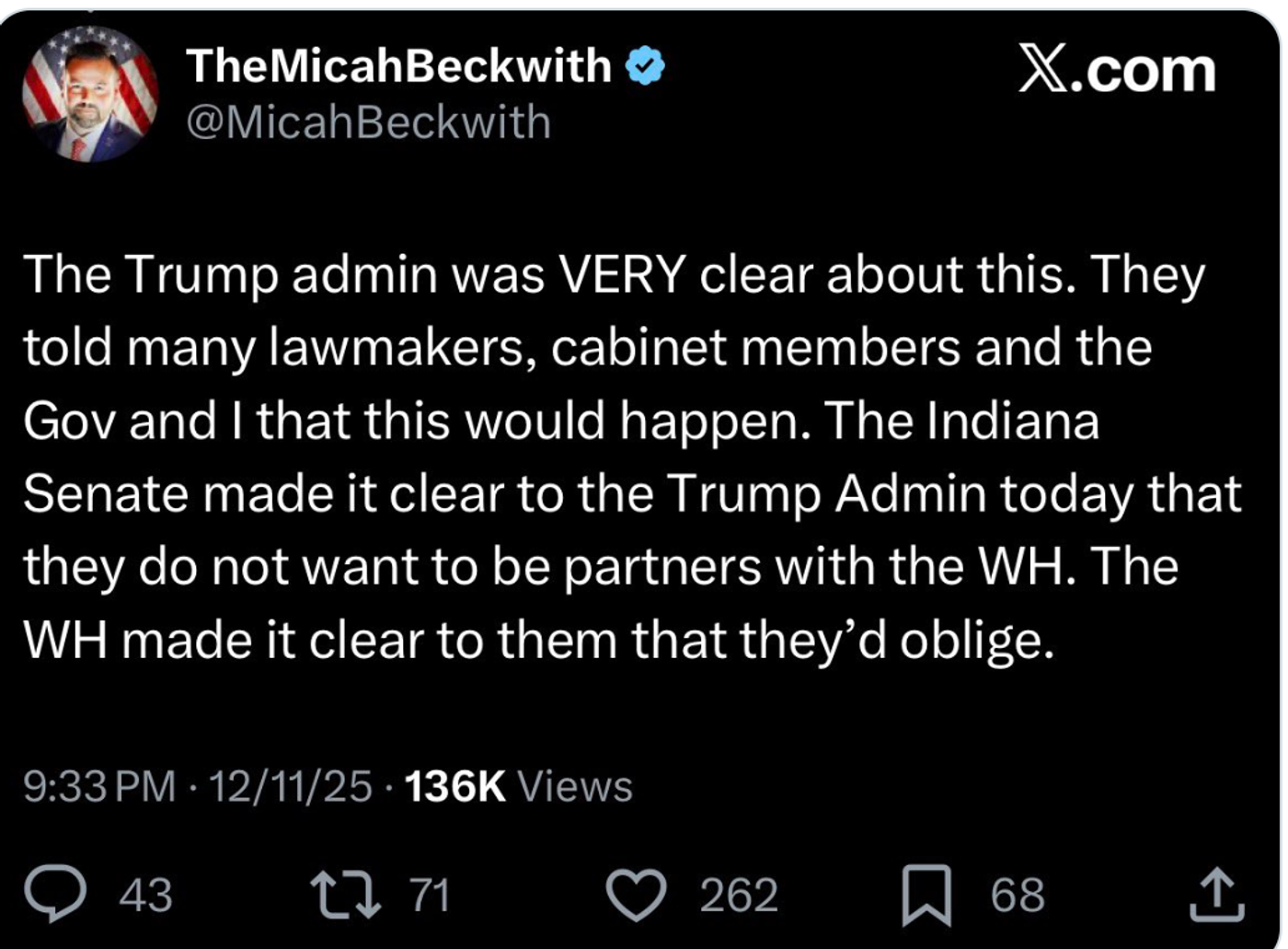
Republican Indiana Lt. Gov. Micah Beckwith posted and subsequently deleted a claim that President Donald Trump had threatened to cut off funding to his state unless its legislators approved a mid-decade gerrymander that would have changed the composition of its congressional map to further favor the GOP.
Just over four hours after the Republican-led Indiana state Senate on Thursday voted down the Trump-backed gerrymander—which would have changed the projected balance of Indiana’s current congressional makeup from seven Republicans and two Democrats to a 9-0 map in favor of the GOP—Beckwith took to X to warn that the Hoosier State would soon be feeling the president’s wrath.
“The Trump admin was VERY clear about this,” he wrote, referring to threats to take away federal funding for Indiana. “They told many lawmakers, cabinet members, and the [governor] and I that this would happen. The Indiana Senate made it clear to the Trump admin today that they do not want to be partners with the [White House]. The WH made it clear to them that they’d oblige.”
Although Beckwith deleted his post, he also confirmed to Politico reporter Adam Wren that the White House said that Indiana could lose out on funding for projects if the state did not approve the map, although Beckwith insisted that this was not a “threat” but merely “an honest conversation about who the White House does want to partner with.”
Earlier on Thursday, the X account for right-wing advocacy group Heritage Action, a sister organization of the Heritage Foundation think tank, claimed that Trump had threatened to decimate Indiana’s state finances unless the state Senate approved his proposed gerrymander.
“President Trump has made it clear to Indiana leaders: if the Indiana Senate fails to pass the map, all federal funding will be stripped from the state,” Heritage Action wrote. “Roads will not be paved. Guard bases will close. Major projects will stop. These are the stakes and every NO vote will be to blame.”
Trump has not yet publicly threatened to cut off Indiana’s federal funds, and it’s not clear that the administration actually plans to punish the state for defying the president.
According to a Thursday report from CNN, the Trump White House pressure campaign against Republican Indiana state senators backfired because many legislators resented being subjected to angry threats from Trump supporters, including some incidents in which lawmakers were swatted at their homes.
Republican Indiana state Sen. Jean Leising told CNN that the all-out pressure campaign waged by the president ended up pushing more people into opposing his agenda.
“You wouldn’t change minds by being mean,” Leising said. “And the efforts were mean-spirited from the get-go. If you were wanting to change votes, you would probably try to explain why we should be doing this, in a positive way. That never happened, so, you know, I think they get what they get.”
Fellow Republican Indiana state Sen. Sue Glick echoed Leinsing’s assessment, and said that blunt-force threats against legislators were doomed to failure.
“Hoosiers are a hardy lot, and they don’t like to be threatened,” Glick said. “They don’t like to be intimidated. They don’t like to be bullied in any fashion. And I think a lot of them responded with, ‘That isn’t going to work.’ And it didn’t.”
Indiana’s rejection of the proposed gerrymander this week was a major blow to Trump’s unprecedented mid-decade redistricting crusade, which began in Texas and subsequently spread to Missouri and North Carolina.
Our work is licensed under Creative Commons (CC BY-NC-ND 3.0). Feel free to republish and share widely.
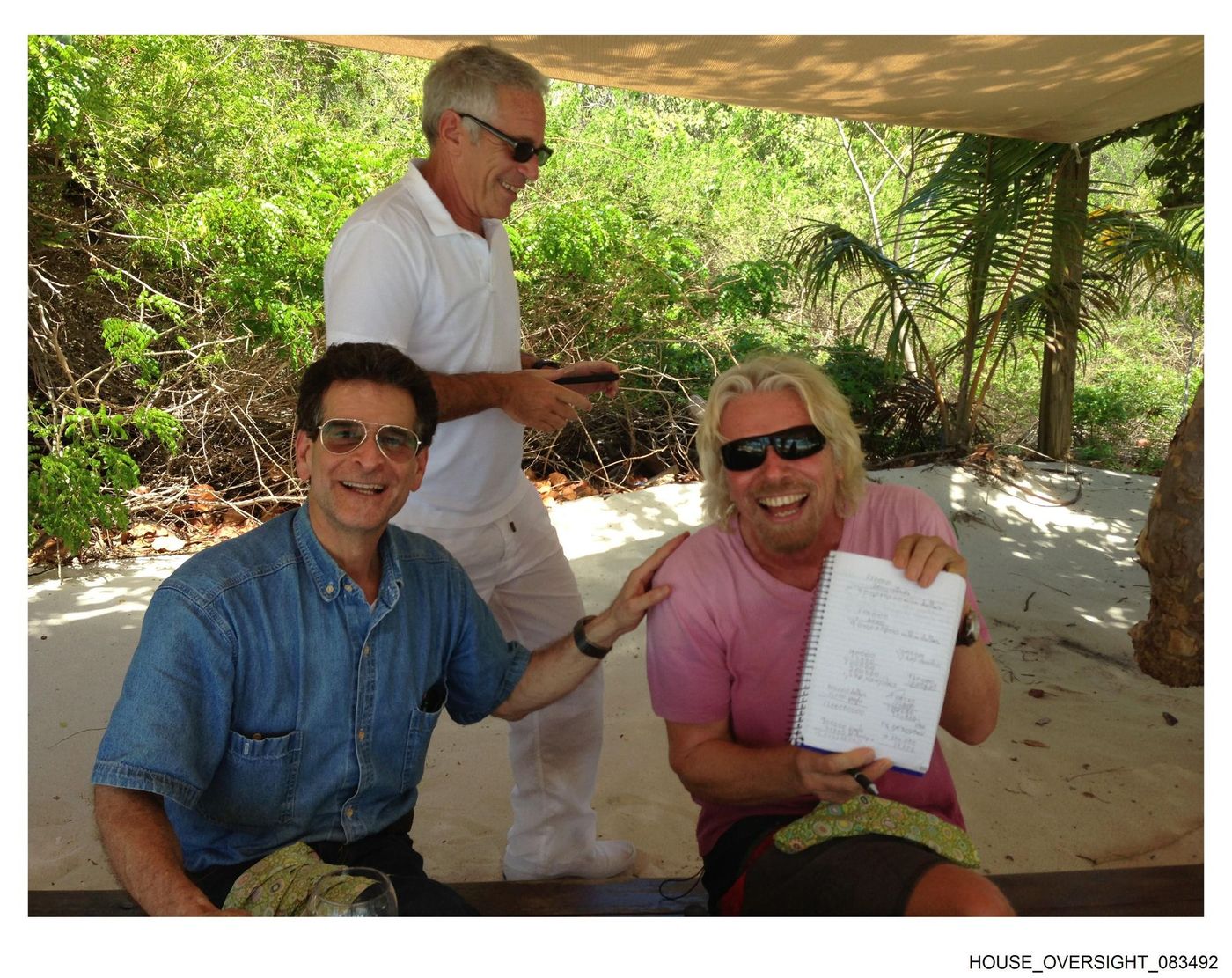
This photo of President Donald Trump, then a businessman, and Jeffrey Epstein is one of the 95,000 that congressional Democrats received from the deceased sex offender’s estate. (Photo from Jeffrey Epstein’s estate via the US House Committee on Oversight and Reform)
“These disturbing images raise even more questions about Epstein and his relationships with some of the most powerful men in the world.”
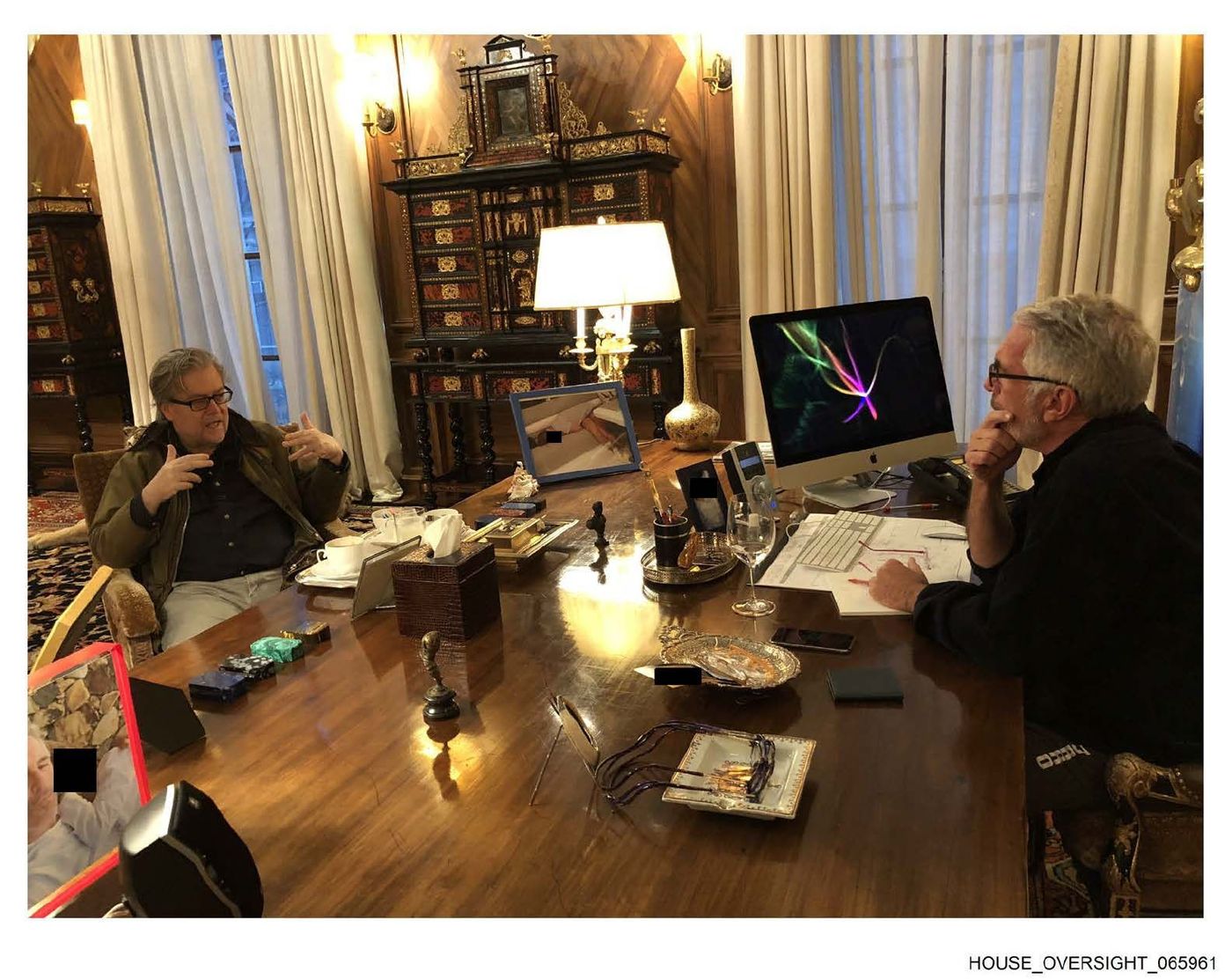
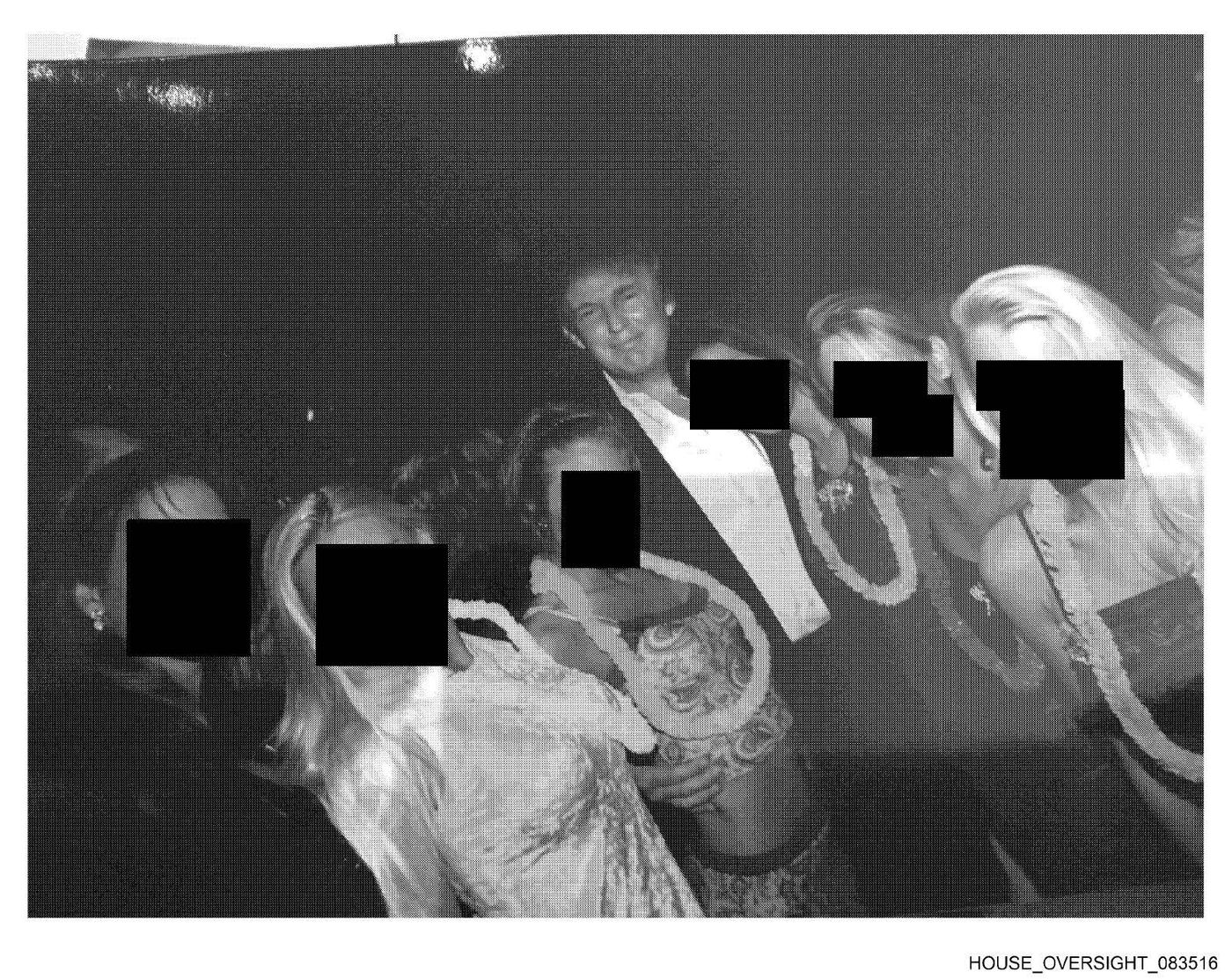
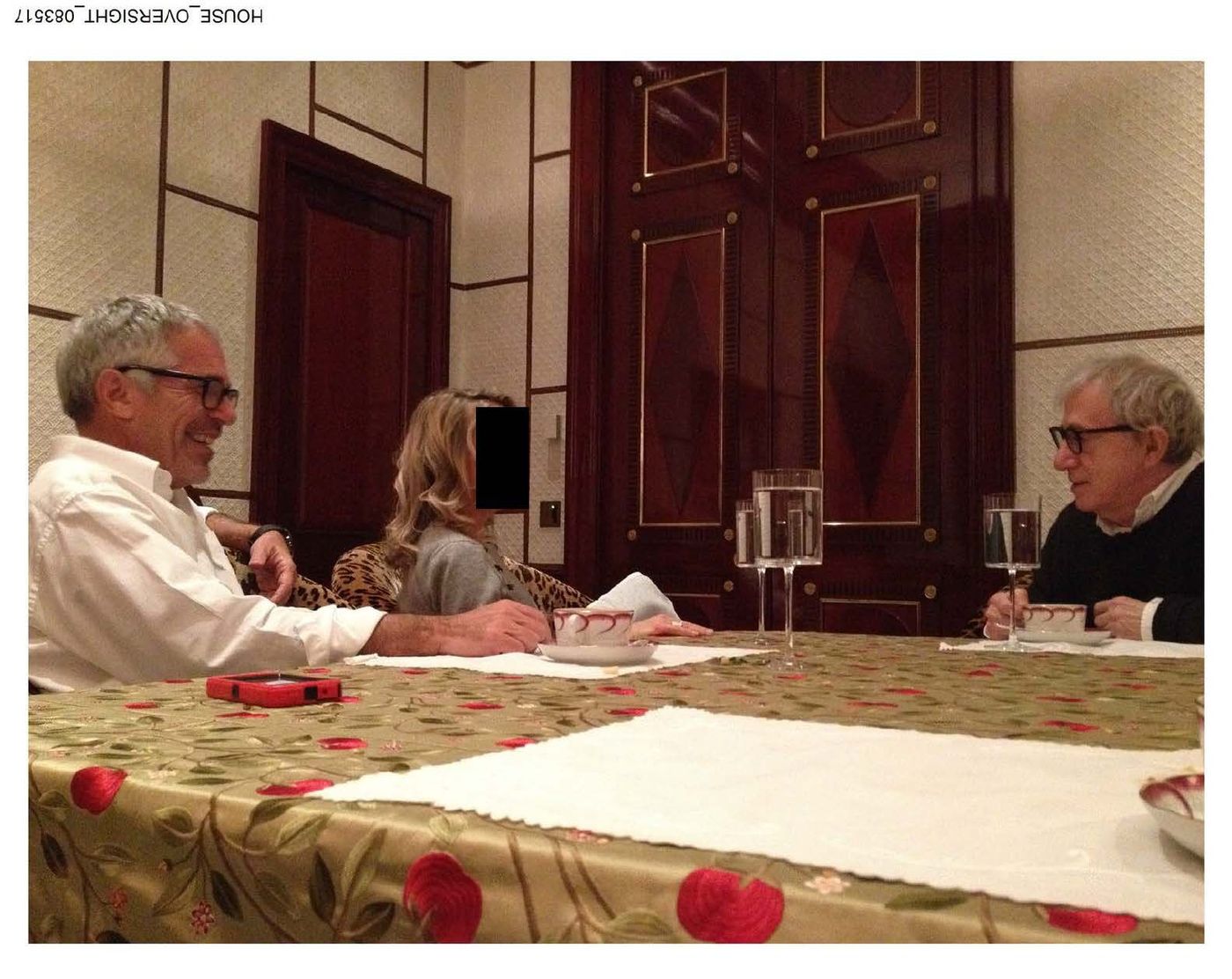
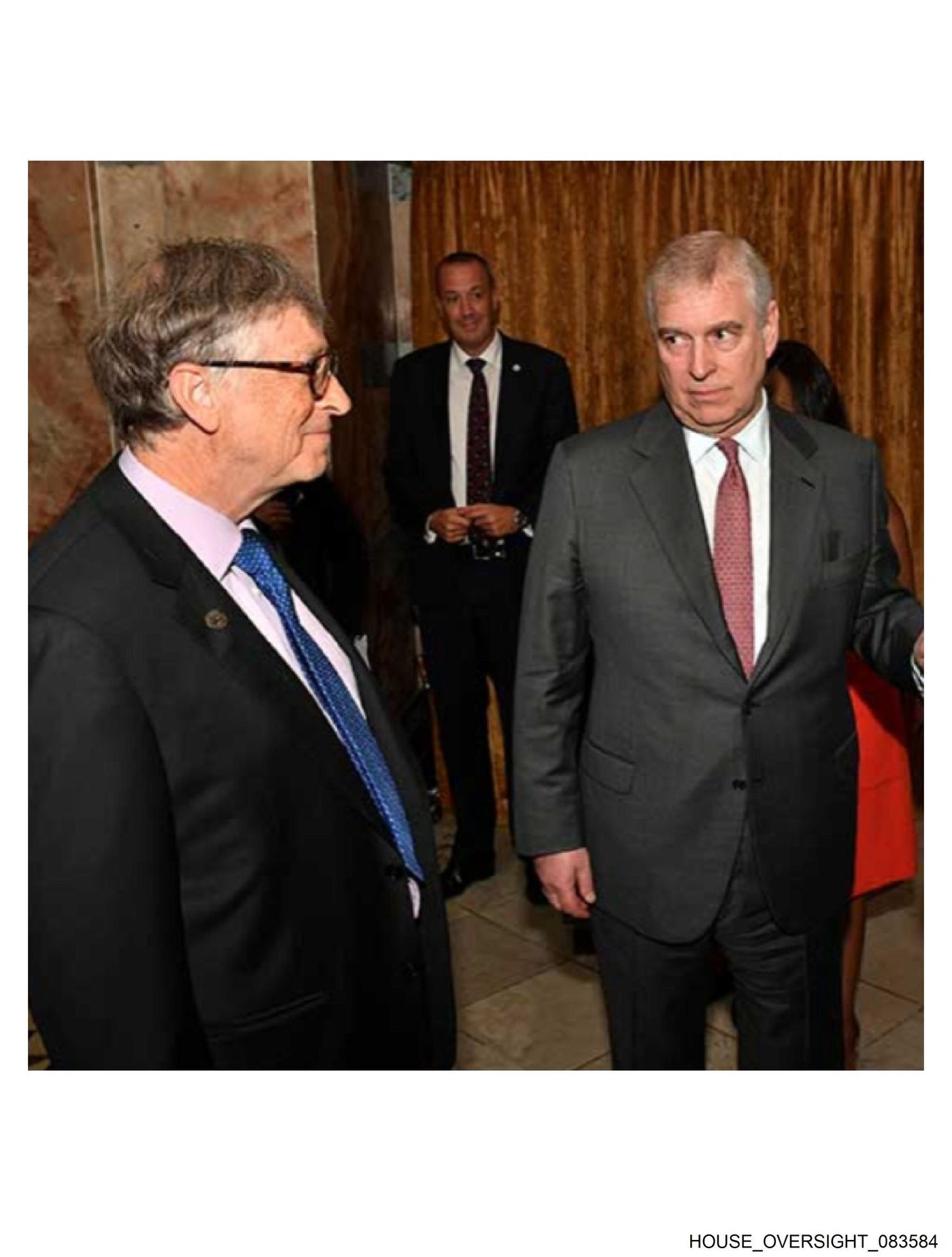
US House Committee on Oversight and Reform Democrats on Friday released 19 of the 95,000 new photos they just received from the estate of deceased sex offender Jeffrey Epstein, as the Department of Justice is preparing to release its files from the federal case against President Donald Trump’s former friend following votes in Congress.
“These disturbing images raise even more questions about Epstein and his relationships with some of the most powerful men in the world,” the committee’s Democrats said on social media, with a link to the photos, all of which Common Dreams has included below, on Dropbox. “Time to end this White House cover-up. Release the files!”
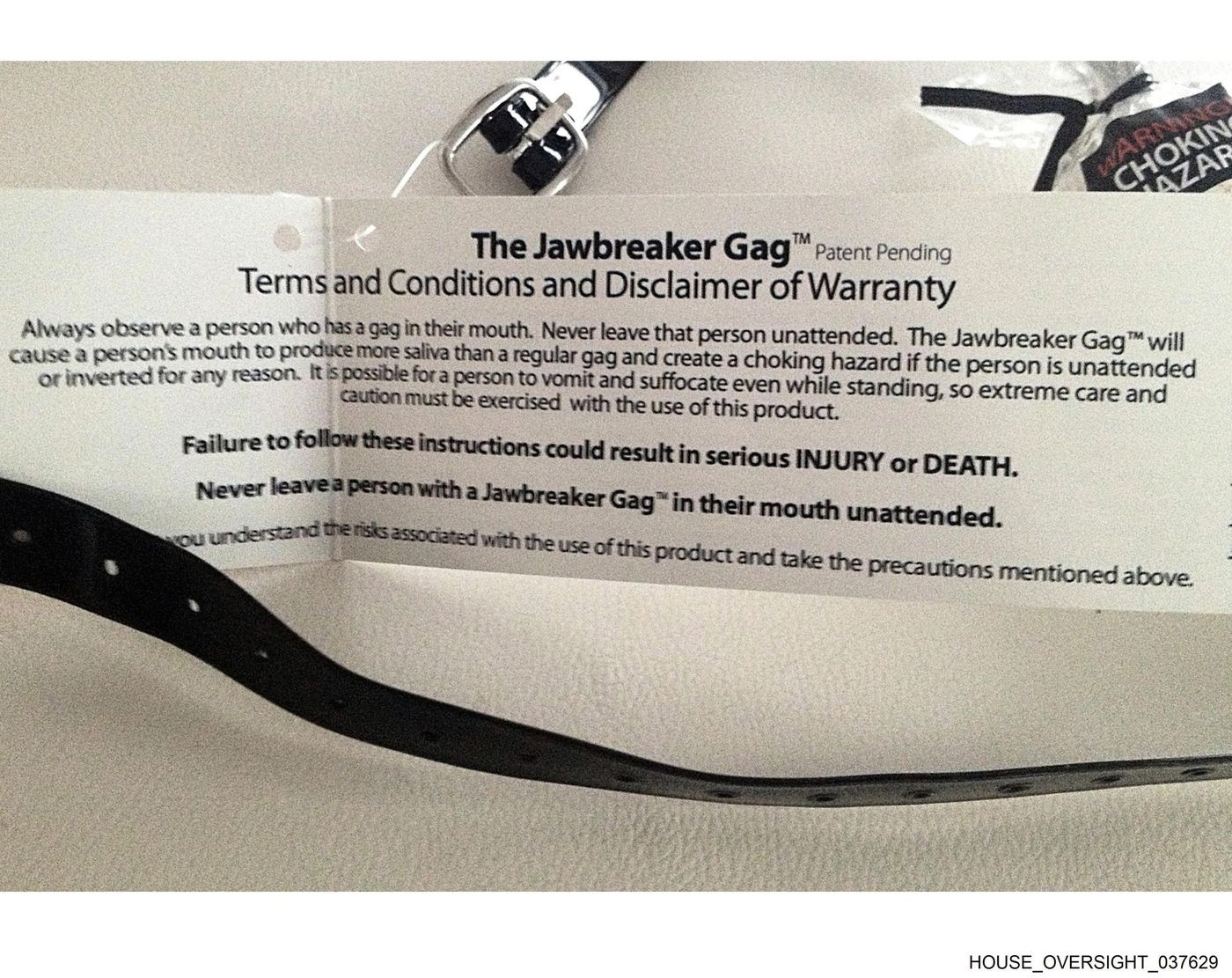
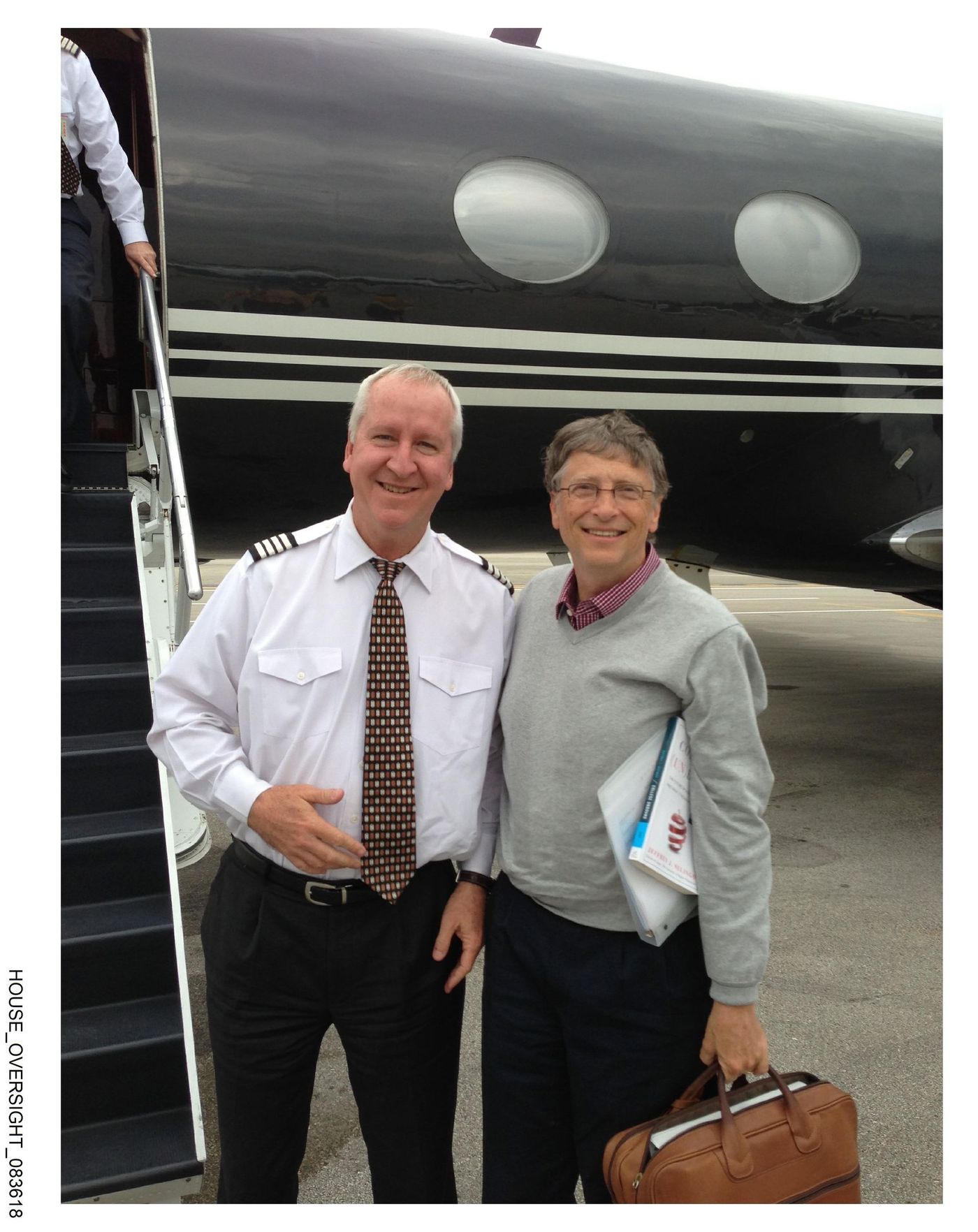
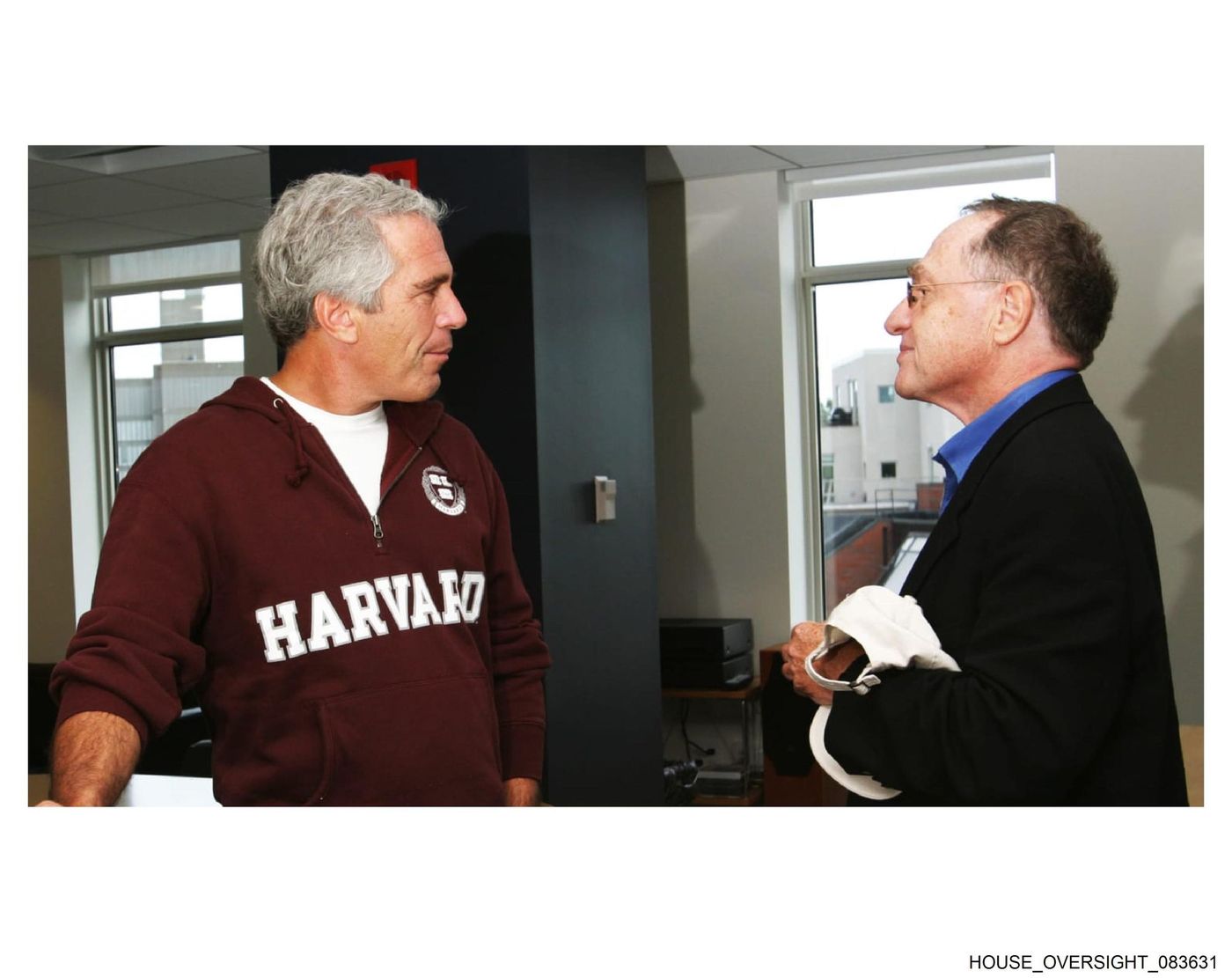
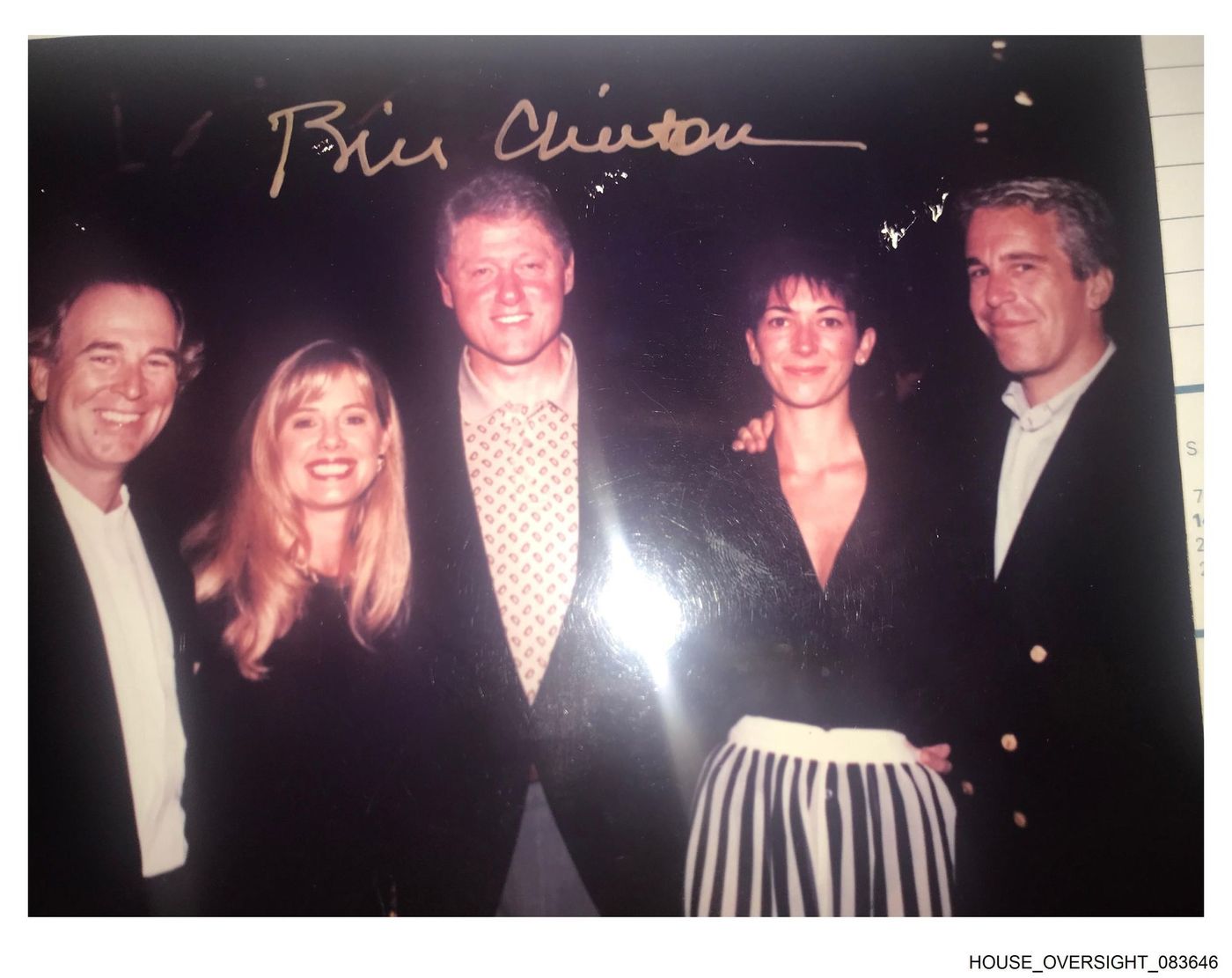
The photos feature sex toys, Trump condoms, and high-profile figures including the president, film director Woody Allen, former Trump adviser Steve Bannon, former President Bill Clinton, lawyer Alan Dershowitz, former Treasury Secretary Larry Summers, billionaires Richard Branson and Bill Gates, and Andrew Mountbatten-Windsor, previously known as Prince Andrew of United Kingdom.
The committee’s Democrats received the photos on Thursday night and have reviewed “maybe about 25,000… so far,” Ranking Member Robert Garcia (D-Calif.) toldCNBC. “There’s an enormous amount of photos we have not gone through… It will take days and weeks to ensure that we got those photos and that a redaction is done in the appropriate way.”
“Obviously there are photos of powerful men, and folks that we want to have an opportunity to speak with and ask questions of,” Garcia said, noting that some shots Epstein took himself and others may have been sent to him. “Some of the other photos that we did not put out today are incredibly disturbing.”
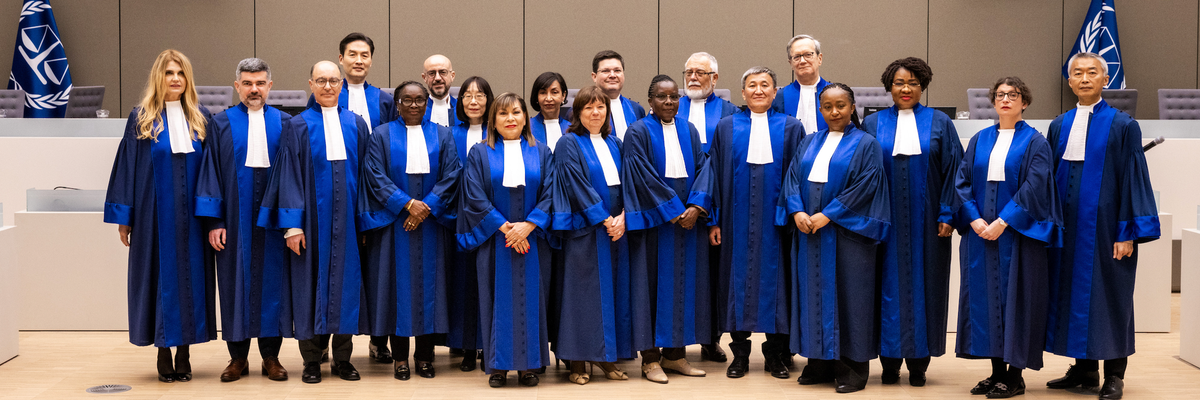
International Criminal Court judges remain steadfast in their pursuit of justice—including for victims of Israel’s genocidal war on Gaza—even as they suffer from devastating US sanctions, some of the affected jurists said in recent interviews.
The sanctioned jurists are: Chief Prosecutor Karim Khan (United Kingdom), Deputy Prosecutor Nazhat Shameem Khan (Fiji), Deputy Prosecutor Mame Mandiaye Niang (Senegal), Judge Solomy Balungi Bossa (Uganda), Judge Luz del Carmen Ibáñez Carranza (Peru), Judge Reine Adelaide Sophie Alapini-Gansou (Benin), Judge Beti Hohler (Slovenia), Judge Nicolas Yann Guillou (France), and Judge Kimberly Prost (Canada).
The sanctions followed a February executive order from US President Donald Trump sanctioning Khan and accusing the ICC of “baseless actions targeting America and our close ally Israel.”
The sanctions—which experts have called an act of criminal obstruction—prevent the targeted ICC officials and their relatives from entering the United States; cut off their access to financial services including banking and credit cards; and prohibit the use of online services like email, shopping, and booking sites.
Fearing steep fines and other punitive measures including possible imprisonment for running afoul of US sanctions by providing “financial, material, or technological support” to targeted individuals, businesses and other entities strictly blacklist sanctioned people—who are typically terrorists, organized crime leaders, and political or military leaders accused of serious human rights crimes.
“Your whole world is restricted,” Prost—who was part of an ICC appellate chamber’s unanimous 2020 decision to investigate alleged US war crimes and crimes against humanity in Afghanistan—told the Associated Press on Thursday. “I’ve worked all my life in criminal justice, and now I’m on a list with those implicated in terrorism and organized crime.”
Ibáñez Carranza said the US sanctions are not deterring her, telling the AP: “In my country, I prosecuted terrorists and drug lords. I will continue my work.”
Guillou toldLe Monde last week that the sanctions mean he is banned from almost all digital services—including Amazon and PayPal—in a world dominated by US tech giants. This has led to some absurd scenarios, including having a hotel reservation he booked via Expedia in his own country canceled.
“To be under sanctions is like being transported back to the 1990s,” he said.
The Trump administration’s objective, said Guillou, is “intimidation… permanent fear, and powerlessness.”
“European citizens under US sanctions will be wiped out economically and socially within the [European Union],” he added.
Guillou remains defiant in the face of sweeping hardship caused by the sanctions, contending that he is part of a larger struggle for justice as, “empires are hitting back” in response to “three decades of progress in multilateralism.”
The US—which, like Israel, is not party to the Rome Statute that governs the ICC—has been at odds with the court for decades. In 2002, Congress passed, and then-President George W. Bush signed, the American Service Members’ Protection Act—also known as the Hague Invasion Act—which authorizes the president to use “all means necessary and appropriate” including military intervention to secure the release of American or allied personnel held by or on behalf of the ICC.
During his first term, Trump sanctioned then-ICC Chief Prosecutor Fatou Bensouda and Prosecution Jurisdiction Division Director Phakiso Mochochoko over the Afghan war crimes probe.
The nine jurists sanctioned this year by the US are seeking relief and are calling on European governments to invoke the EU’s so-called “Blocking Statute,” which is meant to shield officials of the 27-nation bloc from the extraterritorial application of third country laws.
“States parties [to the Rome Statute] face a choice: Continue to capitulate to the bullying of the US, or meet the challenge posed by the sanctions, past and future, and respond appropriately,” Jens Iverson, an assistant professor of international law at Leiden University in the Netherlands, wrote last month for OpinioJuris. “Which choice they make will reveal the actual values of the states who as a matter of law are pledged to combat atrocity and impunity.”
Ibáñez Carranza toldMiddle East Eye in a recent interview: “What we are asking are practical measures. What we are asking is action. We need the support of the entire world. But we are in Europe now, and Europe is a powerful structure. The European Union is a powerful structure. They should react as such. They cannot be subordinated to the American policies.”
International Criminal Court (ICC) judge Luz del Carmen Ibanez Carranza has called on the international community to stand with ICC judges following US-imposed sanctions over the court’s arrest warrants for Israeli officials pic.twitter.com/otJfwHgzdw
Ibáñez Carranza said that said measures should be taken “to support the court, not only to support the judges, but to support the system… of Rome.”
“It’s not only the judges” who are affected by the US sanctions, she asserted. “They want to affect the system of Rome, the system of the court, where we deliver justice for… the most defenseless and vulnerable victims… They are the affected ones with this.”
“The work of the International Criminal Court is for humanity,” Ibáñez Carranza added. “And this is why we are resilient, and this is why we need not only to stand together as judges, but the entire international community.”
Our work is licensed under Creative Commons (CC BY-NC-ND 3.0). Feel free to republish and share widely.
The House has just passed the Protect America’s Workforce Act (H.R. 2550) with 211 Democrats and 20 Republicans voting in favor of the measure!
That’s overwhelming bipartisan support to restore the collective bargaining rights of thousands of VA nurses and other federal workers — rights that were unfairly stripped from them by two executive orders earlier this year.
The passage of this act is essential for VA nurses and our veteran patients: an Inspector General report found severe understaffing at the VA had increased by 50 percent in the last year, with nearly 4 out of 5 VA facilities having “severe shortages” of nurses. VA nurses rely on the protection of our union to help us to stand up for safer hospitals, better staffing, and optimal patient care when it comes to our veteran patients. That’s why the fight to pass H.R. 2550 was so personal to so many nurses who are still working tirelessly to make sure it becomes law — and why so many of our supporters like YOU stepped up to help us. Thank you!
This moment is critical, Mike. The overwhelming support for federal workers’ rights from the House is a massive step in the right direction. And right now, we have the momentum we need to ensure the Protect America’s Workforce Act becomes law!
Nurses understand it is essential that federal workers, including the 15,000 nurses represented by NNU who work at VA facilities, are protected by collective bargaining agreements. We know that the protections of our union allow VA nurses to advocate for our patients and demand the staffing and other resources we need without fear of retaliation. With your continued support, we can make sure the Senate urgently passes this legislation and stop the current administration’s dangerous union busting attempt in its tracks!
Thank you for continuing to stand with VA nurses and our veteran patients. We couldn’t have taken this important step forward without you.
“We were told what the outcome will be: ‘You have one month to find evidence to justify a lawsuit and draft a complaint against the UC system,’” said a civil rights lawyer who left the Justice Department in May.
We work for you — and we’re matching your donation 1:1! Our journalists attend city council and school board meetings, follow tips and make the calls to keep you informed on the important issues in Berkeley. Will you chip in today?
Demonstrators walk in an encampment on the UCLA campus after clashes between pro-Israel and pro-Palestinian groups, Wednesday, May 1, 2024, in Los Angeles. (AP Photo/Jae C. Hong)
On the morning of Thursday, July 31, James B. Milliken was enjoying a round of golf at the remote Sand Hills club in Western Nebraska when his cellphone buzzed.
Milliken was still days away from taking the helm of the sprawling University of California system, but his new office was on the line with disturbing news: The Trump administration was freezing hundreds of millions of dollars of research funding at UCLA, UC’s biggest campus. Milliken quickly packed up and made the five-hour drive to Denver to catch the next flight to California.
He landed on the front lines of one of the most confounding cultural battles waged by the Trump administration.
The grant freeze was the latest salvo in the administration’s broader campaign against elite universities, which it has pilloried as purveyors of antisemitism and “woke” indoctrination. Over the next four months, the Justice Department targeted UCLA with its full playbook for bringing colleges to heel, threatening it with multiple discrimination lawsuits, demanding more than $1 billion in fines and pressing for a raft of changes on the conservative wish list for overhauling higher education.
In the months since Milliken’s aborted golf game, much has been written about the Trump administration’s efforts to impose its will on UCLA, part of the nation’s largest and most prestigious public university system. But an investigation by ProPublica and The Chronicle of Higher Education,based on previously unreported documents and interviews with dozens of people involved, revealsthe extent to which the government violated legal and procedural norms to gin up its case against the school. It also surfaced something equally alarming: How the UC system’s deep dependence on federal money inhibited its willingness to resist the legally shaky onslaught, a vulnerability the Trump administration’s tactics brought into sharp focus.
According to former DOJ insiders, agency political appointees dispatched teams of career civil rights lawyers to California in March, pressuring them to rapidly “find” evidence backing a preordained conclusion: that the UC system and four of its campuses had illegally tolerated antisemitism, which would violate federal civil rights statutes.
The career attorneys eventually recommended a lawsuit against only UCLA, which had been rocked by pro-Palestinian protests in the spring of 2024. But even that case was weak, the lawyers acknowledged in a previously unreported internal memo we obtained. It documented the extensive steps UCLA had already taken to address antisemitism, many resulting from a Biden administration investigation based on the same incidents. The memo also noted there was no evidence that the harassing behavior that peaked during the protests was still happening.
Nonetheless, investigators sketched out a convoluted legal strategy to justify a new civil rights complaint against UCLA that several former DOJ lawyers called problematic and ethically dubious. Multiple attorneys who worked on it told us they were relieved they’d left the DOJ before they could be asked to sign it.
UCLA seemingly had every reason to push back aggressively. Yet UC system leaders have resisted calls from faculty and labor groups to file suit, fearing the many ways the government could retaliate against not only UCLA, but the entire university system, which relies on federal funds for a full one-third of its revenue. The government has opened probes into all 10 UC campuses, including at least seven that target UC Berkeley alone. “Thankfully, they’ve only fucked with UCLA at this point,” said one UC insider privy to the system’s thinking.
To tell this story, ProPublica and the Chronicle reviewed public and internal records and interviewed more than 50people, including DOJ attorneys who worked on the California investigations, UC officials and faculty, former government officials, Jewish leaders and legal experts. Some asked not to be identified, for fear the administration would retaliate or because they hadn’t been authorized to discuss the conflict. The Justice Department and its top officials did not respond to detailed questions and interview requests.
James B. Milliken, a savvy academic administrator, stepped into the challenge of his career in taking over as president of the University of California system. Credit: Elena Zhukova/University of California
Over three decades leading public colleges, Milliken, 68, a dapper onetime Wall Street lawyer who goes by “JB,” has built a reputation as a pragmatist able to work with politicians of all stripes and navigate the culture wars. In an interview, he called the challenges facing the entirety of UC, and UCLA in particular, unparalleled in his career. “There’s nothing like this time,” he said. “This is singular. It’s the toughest.”
On Nov. 14, UC received a temporary reprieve. In response to a complaint brought by the American Association of University Professors, U.S. District Judge Rita F. Lin issued a scathing opinion finding that the Trump administration’s actions against UCLA had “flouted” legal requirements and ordered it to cease all “coercive and retaliatory conduct” against the UC system. Lin had already ordered the release of UCLA’s $584 million in frozen grant funding.
But those orders are preliminary and subject to appeal, and many people at UC fear that more attacks are coming. “Even if this holds, there will simply be another move from this administration,” said Anna Markowitz, an associate professor of education at UCLA and a leader of the campus faculty association, which is among the lawsuit’s plaintiffs. “They have not made it a secret what they wish to do.”
In interviews, UCLA researchers described the damage the school has absorbed so far. Even Jewish faculty members who endured antisemitism said they are aghast at the way the government has weaponized their complaints to justify cutting critical scientific research.
One of them is Ron Avi Astor, a professor of social welfare and education whose description of his treatment at the hands of pro-Palestinian protesters is a prominent part of the lawsuit President Donald Trump’s DOJ recommended against UCLA. But he is dismayed at the cuts to research funds. “These are things that save people’s lives. Why are we messing with that? It’s a tool that anyone who’s a scholar would abhor,” he told us. “It looks like we’re being used.”
***
For Trump’s Justice Department, the University of California was a juicy target from the start.
With its 10 campuses, nearly 300,000 students, six medical centers and three national labs, UC is a crown jewel of a blue state — one whose governor, Gavin Newsom, has become one of Trump’s most prominent foes.
Its scientists have won 75 Nobel Prizes, including four this year alone. But as a high-powered science hub, it’s deeply dependent on federal funding, getting some $17.3 billion a year in research grants, student financial aid and reimbursements from government health programs. UC also has nothing like the endowment wealth of the Ivy League colleges, including Columbia and Brown, from which the Trump administration has extracted penalties in the tens or hundreds of millions.
Both sides said they consider the outcome a victory.
Some of Trump’s DOJ appointees arrived with UC already in their crosshairs. Harmeet K. Dhillon, Trump’s assistant attorney general for civil rights, had sued UC officials in 2017 on behalf of two conservative student groups, alleging unfair treatment of conservative speakers they wanted to bring to the Berkeley campus. (UC settled the case a year later, agreeing to modify rules for speakers at Berkeley and pay $70,000 in legal costs.) And Trump had named Leo Terrell, the bombastic former Fox News commentator, to a top DOJ civil rights post where he heads the president’s Task Force to Combat Anti-Semitism. A UCLA School of Law graduate, Terrell had publicly declared in mid-2024 that his alma mater was “a national embarrassment” over its handling of “criminal antisemitic conduct.” Dhillon and Terrell didn’t respond to requests for comment.
In early February, just two weeks after Trump took office, his new attorney general, Pam Bondi, issued a series of directives to the DOJ requiring “zealous advocacy” for Trump’s executive orders, attacks on all forms of “illegal DEI” and aggressive steps to combat antisemitism. Civil rights actions and investigations involving race and sex discrimination, historically the civil rights division’s chief focus, were largely abandoned.
On Feb. 28, Terrell’s task force announced plans to visit 10 U.S. campuses, including UCLA and UC Berkeley, that were alleged to have illegally failed to protect Jewish students and faculty members, to assess “whether remedial action is warranted.”
But by then, the new Justice leadership had already decided to investigate UC schools and already concluded that they were guilty.
In early March, Terrell declared on Fox News that students and employees in “the entire UC system” were “being harassed because of antisemitism.” The administration planned to “sue,” “bankrupt,” and “take away every single federal dollar” from such schools, he said, and the DOJ would file hate crime charges.
A team of about a dozen career DOJ lawyers had been assembled only days earlier to investigate the allegations of antisemitism against UC employees. Under the employment discrimination section of the Civil Rights Act, the occurrence of ugly antisemitic incidents or violence involving professors or staff wasn’t, by itself, enough to merit federal intervention. The legal standard was whether the university had engaged in a “pattern or practice” of tolerating antisemitism.
Before Trump took office, the civil rights division typically took more than a year to complete such a probe, according to DOJ veterans. Investigators would conduct interviews on campus, review reams of documents for compliance with various statutes and assess such complex matters as when hateful speech is protected by the First Amendment. Once a complaint was authorized, the civil rights division would seek voluntary compliance in a process that was meant to find solutions, not punish colleges.
In this case, the Justice Department’s political appointees demanded that investigators wrap things up in far less time — initially, a single month.
Career supervisors say they told their new bosses that they couldn’t, in one month, produce a case that could stand up in court. Still, “North” and “South” teams of lawyers were dispatched for multi-day trips to California to dig up facts and interview officials at UC Berkeley, UC Davis, UC San Francisco and UCLA.
“We were told what the outcome will be: ‘You have one month to find evidence to justify a lawsuit and draft a complaint against the UC system,’” said Ejaz Baluch, a senior trial attorney in the civil rights division who worked on the investigation before leaving the Justice Department in May.
“The incredibly short timing of this investigation is just emblematic of the fact that the end goal was never to conduct a thorough, unbiased investigation,” Jen Swedish, who was the deputy chief of Justice’s employment litigation section until May, said in an interview. “The end goal was to file a damn complaint — or have something to threaten the university.”
Trump’s appointee as deputy assistant attorney general for civil rights was Michael Gates, formerly the city attorney in Huntington Beach, California, who assumed the DOJ post vowing to help “win this country back.” “You guys have found a hostile work environment, right?” lawyers on the UC team recall him asking, just three weeks into the investigation.
“He seemed upset we were spending so much time investigating,” Dena Robinson, a senior trial attorney, told us. “He didn’t know what the holdup was in getting back to them on which university could be sued.” In an email about six weeks in, Gates suggested there was easily enough in the public record to bring a complaint against at least one of the UC campuses — a notion that horrified the career lawyers. “Why did we even go out there if you’d already made up your mind?” another member of the UC team recalled thinking. Gates, who left the DOJ in November after just 11 months, declined an interview request and offered no comment on detailed questions from ProPublica and the Chronicle.
Lawyers on the team say it soon became apparent that there wasn’t nearly enough evidence to justify an employment discrimination case against UC Berkeley, UC Davis or UCSF, much less the entire UC system. Fearful for their jobs, they agreed on a strategy to “feed the beast,” as one attorney put it: to focus on UCLA, which had experienced the most troubling, and publicly explosive, episodes of antisemitism.
***
Like many colleges across the country, UCLA had seen a spike in antisemitism amid protests over Israel’s military response in Gaza following the brutal Hamas attack of Oct. 7, 2023.
The campus had experienced dozens of ugly incidents, including swastikas spray-painted on buildings and graffiti reading “Free Palestine, Fuck Jews.” Muslim and Arab students and faculty also complained of harassment and that any speech critical of Israel was being branded as antisemitic.
Hundreds of pro-Palestinian protesters maintained a barricaded encampment in the center of the UCLA campus for a week in the spring of 2024, until a violent melee with counterprotesters finally prompted administrators to send in law enforcement to clear the site. Credit: AP/Ryan Sun
Starting in late April 2024, hundreds of pro-Palestinian protesters set up a barricaded encampment in the center of the campus. Reluctant to summon outside law enforcement, UCLA administrators allowed the encampment to remain for a week, disrupting classes and blocking access to certain buildings. Protesters berated and occasionally physically assaulted anyone who refused to disavow Zionism.
On the night of April 30, masked counterprotesters, armed with poles and pepper spray and shooting fireworks, stormed the encampment, triggering a three-hour melee before police were finally brought in. Dozens of people were injured. It took until 6 a.m. May 2 for Los Angeles police and sheriff’s deputies to empty the site.
Before Trump even took office, however, UCLA — and the federal government — had already taken action to combat antisemitism at the school.
Most significantly, in the waning days of the Biden administration, the UC system had reached a broad civil rights settlement with the Department of Education resolving investigations into student complaints that UC had tolerated both antisemitism and anti-Arab and anti-Muslim discrimination at UCLA, UC Santa Barbara, UC San Diego, UC Davis and UC Santa Cruz.
The settlement required UC to conduct more thorough investigations of alleged harassment and to submit reports on each campus’ handling of discrimination complaints. Government monitoring was to continue until UC “demonstrated compliance” with “all the terms of this agreement.”
The Trump administration disregarded all that. Even as the employee investigation was underway, it launched a new investigation of the same student complaints in early May.
On May 27 on Fox News, Terrell, the head of the antisemitism task force, once again spoke publicly as if the DOJ’s antisemitism inquiries had already been concluded. “Expect massive lawsuits against the UC system,” he declared. “Expect hate crime charges filed by the federal government. … We are going to go after them where it hurts them financially.”
At the time, the lawyers working on the UC employment investigation were still racing to complete their recommendation. They were focused solely on UCLA, having determined there wasn’t adequate evidence to pursue cases at Cal and other campuses. Many had distinctly mixed feelings even about bringing that case. “This was not something we would usually litigate,” one lawyer on the team said in an interview. “But everyone understood the front office was demanding this.”
By then, most of the remaining members of the UC team, amid a mass exodus from the civil rights division, were set to leave DOJ at the end of May after accepting the Trump administration’s deferred-resignation offer. “It was comforting to know we were not going to be the ones signing any complaint,” the lawyer said.
In the 47-page recommendation memo the UC team sent on May 29 to Dhillon, the assistant AG for civil rights, the lawyers spelled out their concerns. “We simply do not have strong evidence that the types of harassing acts that happened through spring 2024 are ongoing” — typically a legal requirement for bringing a complaint, the memo acknowledged. Some of the harassment complaints also involved protected First Amendment speech. And because, “as has been frequently noted,” the investigation had been “truncated” to three months, there hadn’t even been time to review some of the documents UC produced, the memo said.
To shore up potential weaknesses in the case, the memo suggested an unusual “hybrid complaint” strategy that would rest partly on new allegations about the ineffectiveness of the university’s complaint process (which was ongoing) and partly on three older faculty grievances.
One of the grievances cited was that of Astor, the professor of social welfare, who describes himself as both a Zionist and a “pro-peace researcher.” His academic work, much of which takes place in Israel, involves studying ways to help students from different religious and ethnic backgrounds peacefully coexist. But after he signed an open letter from Jewish faculty criticizing some pro-Palestinian protesters’ calls for violence, they accused him, in a widely circulated letter of their own, of supporting genocide. When he tried to enter the encampment to talk to students, he told us, a masked protester asked whether he was a Zionist. After he said he believed in Israel’s right to exist, he was blocked from entering or crossing through the central campus.
Astor was targeted again last November, he said, when he and an Arab-Israeli researcher he’d flown in from Hebrew University of Jerusalem tried to discuss their research on preventing school violence in class. “A bunch of students got up and showed pictures of dead babies and chanted and didn’t let us talk,” he recalled. Later heckled on his way to his car, he said he felt threatened and depressed. He lost more than 60 pounds and was granted permission to work from home, but his repeated discrimination complaints to administrators went nowhere.
Astor’s complaints, the employment-section attorneys believed, would support their proposal for a lawsuit against UCLA. Even so, they warned that their case might not hold up in court. In the memo, they recommended seeking a settlement before filing a complaint.
With that message delivered, most of the lawyers who had investigated the University of California departed the Justice Department.
***
On the morning of July 29, two days before Milliken’s interrupted golf game, the University of California resolved what it surely hoped was among the last of the headaches from the 2024 encampment debacle: It announced a $6.45 million settlement of an antisemitism lawsuit brought by three Jewish students and a faculty member who said protesters blocked them from accessing the library and other campus buildings, creating a “Jew exclusion zone,” and that the university did nothing to help them. UC agreed to an extensive list of new actions, and a chunk of the money went to eight organizations that combat antisemitism and support the UCLA Jewish community. The steps the university had taken, a joint statement declared, “demonstrate real progress in the fight against antisemitism.”
The Trump administration had a different view. That afternoon, it announced that it had sent UC a notice letter saying the Justice Department had found UCLA’s response to the encampment had been “deliberately indifferent to a hostile environment for Jewish and Israeli students,” in violation of Title VI of the Civil Rights Act. Bondi warned in a press release that UCLA would “pay a heavy price” for “this disgusting breach of civil rights.” The antisemitism finding had been reached less than three months after the investigation had begun.
The letter, which acknowledged that it relied significantly on “publicly available reports and information,” ignored all the previous actions meant to put the events of 2024 to rest.
“The violations they described all predate the December agreement,” said Catherine E. Lhamon, who oversaw the Office of Civil Rights at the Education Department under the Obama and Biden administrations. “They’ve made no showing for why the agreement was defective or why anything else was needed to ensure compliance going forward.”
The July 29 letter ended with an invitation to negotiate a settlement but warned that the department was prepared to file a lawsuit if there was no “reasonable certainty” of reaching an agreement.
Instead, the next day, the Trump administration began freezing UCLA’s research money from the National Institutes of Health, National Science Foundation and Defense Department. The agencies cited the campus’ handling of antisemitism as well as “illegal affirmative action” and allowing transgender women in women’s sports and bathrooms.
UCLA was one of at least nine universities to be hit with grant suspensions, but the first public institution.
David Shackelford, whose medical school lab develops personalized treatments for lung cancer, said his phone “blew up” when colleagues began receiving stop-spending orders. Three NIH grants, totaling $8 million over five years, had supported the lab’s work. “These are experiments and animal models that take years to develop,” Shackelford said. “It’s not like you can go to your computer and click save and walk away.” He scrounged together stopgap university funding and outside donations to keep the operation running “on fumes,” vowing “to go down swinging.”
Elle Rathbun is not sure she’s up for the fight. A 29-year-old sixth-year doctoral student in neuroscience, Rathbun was halfway through a three-year NIH grant to study how brains recover from strokes when she got the news: Her $160,000 award was on the long list of suspended UCLA grants.
She found substitute funding for some of her work but now has doubts about whether a career in academic science is worth the stress. Like hundreds of her colleagues, she’d gone through a monthslong competitive process to win the grant, only to have the Trump administration halt the taxpayer-funded research midstream, a move she called “incredibly disappointing and wildly wasteful.”
A group of UCLA researchers filed a lawsuit seeking to reverse the cuts and won two court orders largely restoring them. But even after those victories, the flow of new science grants had slowed to a trickle. In a July 30 email later introduced in court, the National Science Foundation’s acting chief science officer wrote that, in addition to freezing existing grants, he had been ordered to not make any further awards to UCLA.
In nearly 500 pages of personal statements to the court, some faculty members said they’re censoring their speech and changing their courses to avoid topics that might trigger even more cuts to the university. Amander Clark, a professor who heads a reproductive sciences center, no longer talks about the ways her research on infertility and the effects of hormones on human bodies could help gay and transgender people. “I am afraid that because UC is in the spotlight, 20 years of work could be dismantled at the stroke of a pen,” she wrote.
***
In selecting Milliken as their new system president, the UC regents had picked a veteran at managing large public university systems with vastly different political climates, ranging from the City University of New York, which he ran from 2014 to early 2018, to the University of Texas system, which he led from late 2018 until May 2025.
At UT, Milliken had championed some progressive steps, including expanding free tuition and safeguarding tenure, but he had also quickly shut down the system’s 21 offices related to diversity, equity and inclusion in response to a new Texas law. “He knows what is a winning hand and what is not,” said Richard Benson, who worked with Milliken as president of UT Dallas.
On Aug. 1, his first day on the job at UC’s system office in Oakland, Milliken issued a measured public statement that addressed the “deeply troubling” UCLA grant cuts and affirmed the critical importance of UC’s “life-saving and life-changing research.”
That same week, the Justice Department, days after Bondi’s declaration blasting UCLA for antisemitism against students, delivered a second notice letter, declaring that UCLA had illegally tolerated antisemitism against its employees and threatening to bring the “hybrid” lawsuit that the DOJ’s UC team had recommended in May.
Eager to turn up the pressure on UC, political appointees at the Justice Department had planned to issue another press release assailing UCLA for the employee-related antisemitism findings, according to former agency officials. But Kacie Candela, a well-regarded employment-section lawyer and the last survivor from the dozen who had worked on the administration’s UC investigations, warned that under federal law, it would be a criminal misdemeanor to publicly disclose details involving Equal Employment Opportunity Commission charges before filing a lawsuit. After a heated dispute, her argument prevailed and the UCLA letter went unannounced. She was terminated days later. (Candela, who is pursuing legal action to challenge her firing, declined to discuss the matter for this story. DOJ officials didn’t respond to questions from ProPublica and the Chronicle about the episode.)
After receiving the two DOJ antisemitism notice letters, Milliken quickly affirmed UC’s willingness to “engage in dialogue” with the administration. But that did nothing to forestall the next blow two days later: the Justice Department’s $1.2 billion settlement demand, which also asked for policy changes in areas where there’d been no findings of wrongdoing, including admissions practices, screening of foreign students and transgender students’ access to bathrooms. Within hours of UC’s receipt of the 27-page demand letter on Aug. 8 — which the DOJ had marked “confidential” — CNN, The New York Times and Politico had all posted stories saying they’d obtained a copy from undisclosed sources. (A DOJ spokesperson declined to comment on whether the administration had leaked the letter, which UC spent weeks battling in court to keep private.)
All this was without precedent, due process or clear legal justification, civil rights experts noted. Agreeing to the DOJ’s demands, the Aug. 8 letter said, would release UC from claims that it had violated laws banning discrimination against students, employees and women, and that its civil rights violations constituted fraud. “They were trying to overwhelm,” said Swedish, the former civil rights deputy section chief. “They were spraying the fire hose at the university.”
Strangely, Justice demanded another $172 million for employees who’d complained of antisemitism discrimination, even though only a handful had filed such grievances with the EEOC and such awards are capped at $300,000.
Former U.S. Attorney Zachary A. Cunha said a possible rationale for such unprecedented financial demands is that, under Trump, the DOJ is experimenting with using the False Claims Act in civil rights cases. This would permit triple damages and encourage complaints from whistleblowers, who would share in any financial recovery. “It’s hard to know where these large and somewhat arbitrary numbers are coming from,” Cunha said of the administration’s settlement demands. But “if there’s a pattern that’s emerged thus far, it’s that every tool in the toolbox is on the table.”
Kenneth L. Marcus, an antisemitism watchdog and a former assistant secretary of education for civil rights under Trump, acknowledged that the government has pursued “eye-catching” penalties “with a speed that suggested” normal civil rights enforcement and due-process procedures “have not been utilized.” But Marcus insisted the response was appropriate because of the “national crisis” of antisemitism. “When a situation is extraordinary and unprecedented,” he said, “the response needs to be as well.”
In media interviews, officials in the Trump administration acknowledge that its “whole-of-government” attacks on universities seek to bypass normal, slow-moving civil rights procedures by instead treating alleged discriminatory practices as contract disputes where the government is free to summarily cut off funding and demand headline-grabbing, seemingly arbitrary fines. “Having that dollar figure, it actually brings attention to the deals in ways people might not otherwise pay attention,” former White House deputy May Mailman, a key architect of the administration’s higher education strategy, told The New York Times.
This approach is “flagrantly unlawful” and “incredibly dangerous,” said Lhamon, the former assistant education secretary, who is now executive director of the Edley Center on Law and Democracy at the UC Berkeley law school. “There’s a long set of steps that are written into statute that must occur first before funds can be terminated.”
Lhamon said the Trump administration was operating “like a mob boss.”
“That is not the federal government doing civil rights work,” she said.
***
Milliken has found himself caught between the Trump administration’s demands and those of his new constituency in California, which vocally opposes any hint of capitulation.
Newsom, who serves on the UC Board of Regents, has threatened to sue the federal government, calling its demands “extortion” and vowing to “fight like hell” against any deal.
The advocates of direct legal combat include Erwin Chemerinsky, dean of UC Berkeley’s law school. “The university should have immediately gone to court to challenge this because what was done was so blatantly illegal and unconstitutional,” he told ProPublica and the Chronicle. “I wanted the University of California to be Harvard in fighting back and filing suit. I didn’t want them to be Columbia and Brown in capitulating.”
But Milliken, backed by the UC regents, resisted calls for confrontation, wary of provoking retaliation against the nine other system campuses also under investigation. The damage to date at UCLA is “minor in comparison to the threat that looms,” Milliken noted in a mid-September statement. “We are in uncharted waters.”
So UC has pursued settlement discussions with the government. According to a person familiar with the matter, it has retained William Levi, who served in Trump’s first administration as a special assistant to the president, counselor to the attorney general and chief of staff at the Justice Department, to lead the talks.
If UC’s leaders have preached restraint, its faculty has opted for open defiance. In addition to the suit that prompted the federal judge, Lin, to restore UCLA’s frozen research grants, a complaint filed in September by the American Association of University Professors and other faculty groups challenged the legality of the Trump administration’s entire assault on UC. At a hearing on Nov. 6, the government’s lawyer acknowledged that the administration’s “hodgepodge” of actions against the system hadn’t followed established civil rights procedures but said the administration had the right to direct funding based on the Trump administration’s “policy priorities.”
Lin didn’t buy it. A week later, in an unusually sweeping preliminary injunction, she barred all of the Trump administration’s actual and threatened moves to punish UC, including the $1.2 billion payment demand. The Trump administration’s “playbook,” she wrote, citing comments by Terrell and others, illegally used civil rights investigations and funding cuts as a way of “bringing universities to their knees and forcing them to change their ideological tune.”
Although Lin ordered the Trump administration to lift the ban on new research grants to UC, approvals were slow to resume. In public remarks before the Board of Regents on Nov. 19, Milliken said that more than 400 grants across the system remained suspended or terminated, representing “more than $230 million in research activity on hold.” He and others at UC have expressed concerns that the system’s pathway to new grants will be blocked.
In our interview, Milliken defended how UC has responded to the Trump administration, saying the university has held its ground on its governance, mission and academic freedom.
“We recognize the differing opinions on how UC should engage with the federal government,” he said. “Our efforts remain focused on solutions that keep UC strong for Californians and Americans.”
Rendering of the 25 story development proposed for the site of the Marina Safeway. Photo courtesy of Arquitectonica.
In some ways, the 25-story housing development proposed in the Marina is just what San Francisco needs.
As envisioned, it would create almost 800 housing units where there is now a grocery store and parking lot. Of those, 86 would be affordable — a rarity in a neighborhood that has only built 14 affordable homes since 2005.
No businesses or tenants would be displaced, as Safeway plans to re-occupy the ground floor. Residents of the massive new development would be within walking distance of half a dozen parks and as many Muni lines.
Want the latest on the Mission and San Francisco? Sign up for our free daily newsletter below.Sign up
The only problem: Many residents in the tony Marina neighborhood and surrounding area don’t want it there — including Mayor Daniel Lurie, himself a resident of District 2, who is opposing the project.
The developer “trying to sneak in a project” before the city’s recent upzoning takes effect “is a complete violation of the spirit of that work,” Lurie said.
“Our administration will stand up firmly to developers that game the system, and we will pull every lever we can to make this a project that works for this neighborhood and our city,” a spokesperson for the mayor wrote in a statement.
The city can build “while protecting what makes our neighborhoods so special.”
Yet, the mayor has declined to weigh in on other Safeway housing developments. In coordination with developer Align, Safeway is proposing to transform four supermarkets (so far) into massive new complexes.
The so-called “behemoth” on the waterfront isn’t even the tallest tower Safeway has proposed. That would be the Webster Street proposal in the Fillmore, which is slated to go up to 30 stories.
Nor is it the only one on the waterfront. An eight-story development proposed in the Outer Richmond is one block from Ocean Beach.
When asked why he has inveighed against the Marina Safeway proposed development while saying nothing about the Safeway proposals in the Fillmore, the Outer Richmond and Bernal Heights, the mayor’s office pointed to the fact that the Marina project would not be possible after the upzoning passes, unlike the others.
Marina project violates ‘spirit’ of upzoning
Lurie says developer Align is contravening the intent of the recent upzoning. Over the past few months, Lurie has been championing his plan, which would allow for more density and height in the city’s western and northern neighborhoods, to meet state mandates.
Lurie and his ally, District 2 Supervisor Stephen Sherill, whom he recently endorsed for supervisor, say Align’s proposal makes a mockery of the plan and erodes residents’ trust in City Hall.
Sherill said he went “parcel by parcel” with neighborhood groups, and subsequently cut the Marina Safeway parcel out of the upzoning plan.
But the Marina project is not being built under local laws like the upzoning plan. Instead, it uses California’s “density bonus” law, which is how a site zoned for four stories by the city can end up with a 25-story building. (The other three Safeway proposals also use the state’s density bonus.)
Drawing of the U-shaped building proposed for the site of the Marina Safeway. Photo courtesy of Arquitectonica.
Those state laws were passed by elected politicians and have been around for years, said Sam Moss, the executive director of affordable developer Mission Housing. “No one’s gaming the system here.”
Though Sherrill’s amendment would not have stopped the project, a different change to how density is calculated in the upzoning plan would have shrunk the project to between 400 and 500 units, instead of 800.
“This so-called ‘project’ at Marina Safeway is outrageous,” said Sherill in an Instagram video immediately after the proposal.
“It’s not a real development proposal. It’s a publicity stunt that is exactly the kind of reckless behavior that erodes trust in our system, and I won’t let it go unchallenged.”
The project is eligible for automatic approval, though, so if the developer wants to move forward with it as is, there is little that Lurie and Sherrill can do.
Sherill, who has ties to the Marina branch of YIMBY Action and voted for Lurie’s upzoning plan, is up for election in June. District 2, which he represents, tends to be conservative about land-use issues, and Sherrill is already facing an anti-development challenger, Lori Brooke.
Lurie has warned against housing ‘towers’ before
YIMBY groups see a clear case of politicians wanting housing generally, but not in their part of town.
“Talking about the need for housing in general is easier than looking at a specific project and dealing with the specific people in a 10 block radius who are mad about that specific project,” said Laura Foote, the Executive Director of YIMBY Action.
“I think that it’s important to remember that the Marina is a ‘low-slung neighborhood’ because mostly high-income, privileged individuals decades ago decided that we would only let tall buildings happen in the low income, Black and brown neighborhoods of San Francisco,” Moss, Foote’s husband, added.
At least two-thirds of households in the Marina earn more than the city’s area median income of around $127,000, and 56 percent earn more than $200,000.
“The Marina will not stop being awesome. I doubt that this is going to stop Marina Green from being the ‘sluttiest mile in San Francisco.’ If anything, it’s just going to add to the awesome,” Moss said.
Salim Damerdji, a Marina resident and member of SF YIMBY, said the real problem with the Marina is that “the current character is that the Marina is too expensive for most people to live in.”
“When I learned that there was a project in my backyard, I was really excited,” he said.
Lurie’s support for housing was never unconditional, and YIMBYs do not universally consider him a member of their movement.
He has warned against “towers” across the city as a way of selling his local upzoning plan, and criticized a proposal for a 50-story building on Sloat Boulevard.
“I also do not want Ocean Beach turned into Miami Beach,” he said.
The issue is sure to animate the District 2 race in the coming months. Brooke, Sherrill’s chief opponent so far, said the criticism of the Safeway project is hypocritical, given Sherrill and Lurie’s support of upzoning.
“It’s kind of surprising to hear them oppose this, considering none of those words were uttered out of their mouths when we were complaining about 14-story buildings along Lombard Street,” Brooke said. “And suddenly this project comes around, and now they’re up in arms.”
Brooke said she canvassed shoppers at the Safeway this weekend, and the reaction was “pretty universal” against the development, which they called a “a behemoth in an area that’s lower-scale and on the waterfront.”
“I haven’t heard of many people that have to pay a political consequence saying that this is a great project,” Brooke added, “because I think they all realize that this is poking the bear.”
REPORTER. Io is a staff reporter covering city hall as a part of Report for America, which supports journalists in local newsrooms. She was born and raised in San Francisco and previously reported on the city while working for her high school newspaper, The Lowell. Io studied the history of science at Harvard and wrote for The Harvard Crimson.More by Io Yeh Gilman
Find me looking at data. I studied Geography at McGill University and worked at a remote sensing company in Montreal, analyzing methane data, before turning to journalism and earning a master’s degree from Columbia Journalism School.More by Kelly Waldron
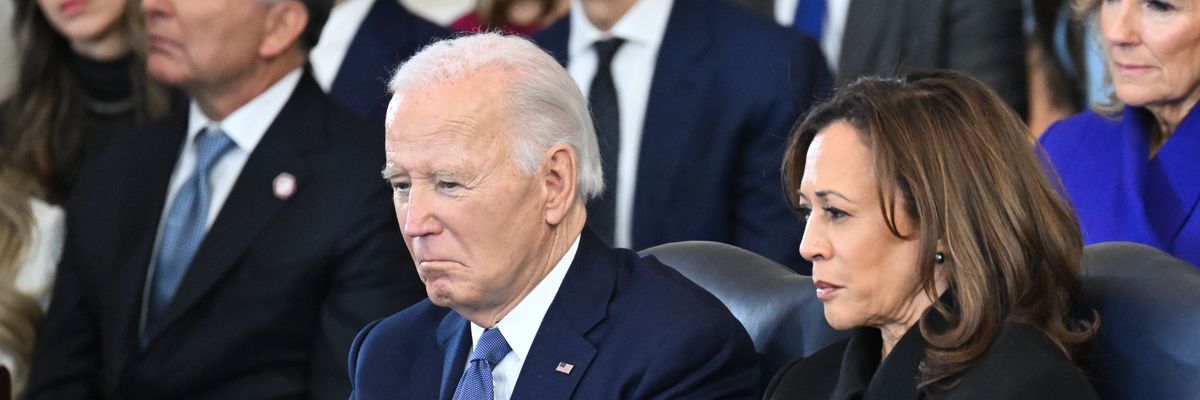
Joe Biden and Kamala Harris attended the inauguration ceremony of President Donald Trump on January 20, 2025.
(Photo by Saul Loeb/Pool/Getty Images)
“Harris and the Democratic Party leadership prioritized the agendas of corporate donors and gambled on a centrist path, while largely abandoning working-class, young, and progressive voters.”
As the Democratic establishment slow-walks its own assessment of what went wrong in last year’s elections, an outside autopsy released Thursday argues the party’s failure to sufficiently appeal to and mobilize working-class voters as well as its complicity in Israel’s genocide in Gaza were key factors behind the failure to prevent President Donald Trump from securing a second White House term.
The report, authored by journalist Christopher D. Cook and published by the progressive advocacy group RootsAction, argues there were five primary reasons for former Vice President Kamala Harris’ loss to Trump:
Harris’ loss of nearly 7 million voters who backed Joe Biden in 2020;
Biden’s refusal to exit the top of the ticket until just months before the election;
The Democratic Party’s decision to prioritize courting so-called moderate Republicans and corporate donors over organizing working-class voters;
Support for Israel’s genocidal assault on Gaza; and
Cook acknowledges that certain “external factors” impacted the 2024 contest beyond the Democratic Party or the Harris campaign’s control, including “immense special-interest spending to manipulate voters’ information and perceptions on social media platforms” such as Elon Musk’s X and racism and sexism, which “certainly disadvantaged” the former vice president.
But ultimately, Harris’ campaign and the leadership of the Democratic Party “bear responsibility for Trump’s return to the White House,” the report says.
“This was a preventable disaster, but Harris and the Democratic Party leadership prioritized the agendas of corporate donors and gambled on a centrist path, while largely abandoning working-class, young, and progressive voters,” Cook said in a statement.
The report places significant emphasis on the Harris campaign’s fateful decision to openly appeal to Republican voters in the hope that some would abandon Trump—a strategy that Hillary Clintonpursued during her 2016 presidential bid, to disastrous effect.
Cook points to the Harris campaign’s embrace of former Rep. Liz Cheney (R-Wyo.) as the most galling example of this strategy.
“Harris and Cheney—a Republican who had become a pariah in her own party—campaigned for several days together,” the report observes. “On the campaign trail, they repeatedly hit high-minded themes about the threat that Donald Trump posed to American democracy, while scarcely speaking to voters’ more urgent concerns about the state of the economy.”
The campaign’s gamble that it could appeal to potential GOP swing voters while keeping the Democratic base intact “proved to be a huge mistake,” the report says, arguing the approach muddied “Democrats’ message about economic inequality” while “consuming valuable campaign resources that should have been spent on a more robust base turnout operation.”
The report cites a “glaring instance” in the critical battleground state of Pennsylvania, which Trump ended up winning by fewer than two percentage points:
As the New York Timesreported, Harris campaign staffers in Pennsylvania were so concerned about poor outreach to Black and Latino voters in crucial areas of Philadelphia, they met secretly at a donut shop and formed a “rogue” voter turnout operation to reach these core Democratic constituents. In this clandestine operation, hastily conceived in the waning days of the campaign, members of Harris’s team set out to knock on the doors of as many Black and Latino voters as possible in a desperate dash to shore up Harris’ numbers among what should have been core constituencies.
The Harris campaign also received guidance and support from corporate interests and prominent billionaires, which Cook names as a “likely factor for why more working-class voters walked away from the Democrats.”
“Due to these corporate influences, including from billionaire Mark Cuban and others, the Harris campaign avoided any bold policy proposals confronting corporate power, instead adopting ‘marginal pro-business tweaks to the status quo that both her corporate and progressive allies agreed never coalesced into a clear economic argument,’” Cook wrote, citing the Times.
On Gaza, the postmortem notes that Harris “offered no substantive changes from Biden’s unpopular policies backing Israel,” fueling a sharp drop-off in support among Arab Americans and young voters.
“Extensive pollingsuggests that Biden, and later Harris, could have inspired and mobilized these voters by campaigning on policies such as cancelling student debt, expanding healthcare access, curbing support for Israel’s siege of Gaza, and boldly promoting economic populist policies,” the report says, pointing to the success of progressive ballot measures even in red states where Harris struggled.
In coming elections, the report concludes, Democrats must learn from their recent failures and embrace highly popular “economic populist policies”—from Medicare for All to higher corporate taxes to a long-overdue federal minimum wage hike—to build a lasting working-class coalition.
“The Democratic Party must show voters that it has a spine and can stand up to corporate and big-money interests,” the report says.
Our work is licensed under Creative Commons (CC BY-NC-ND 3.0). Feel free to republish and share widely.
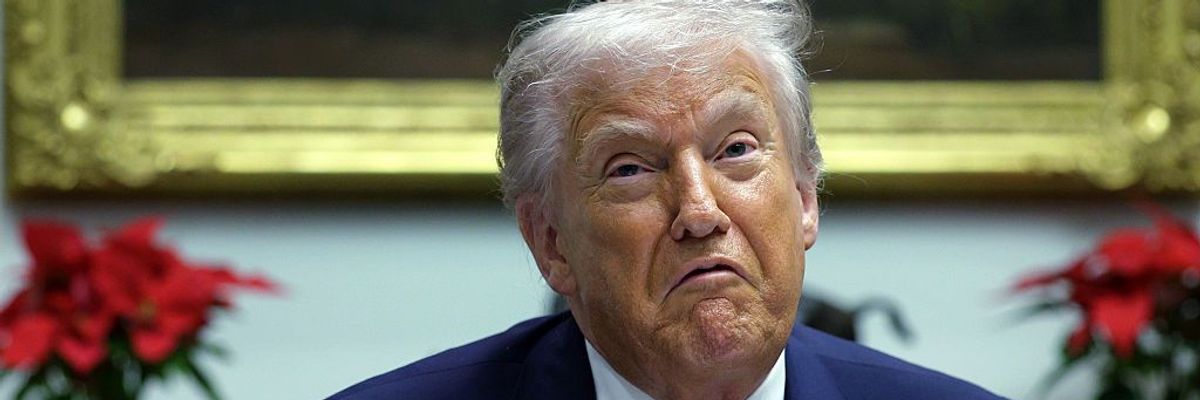
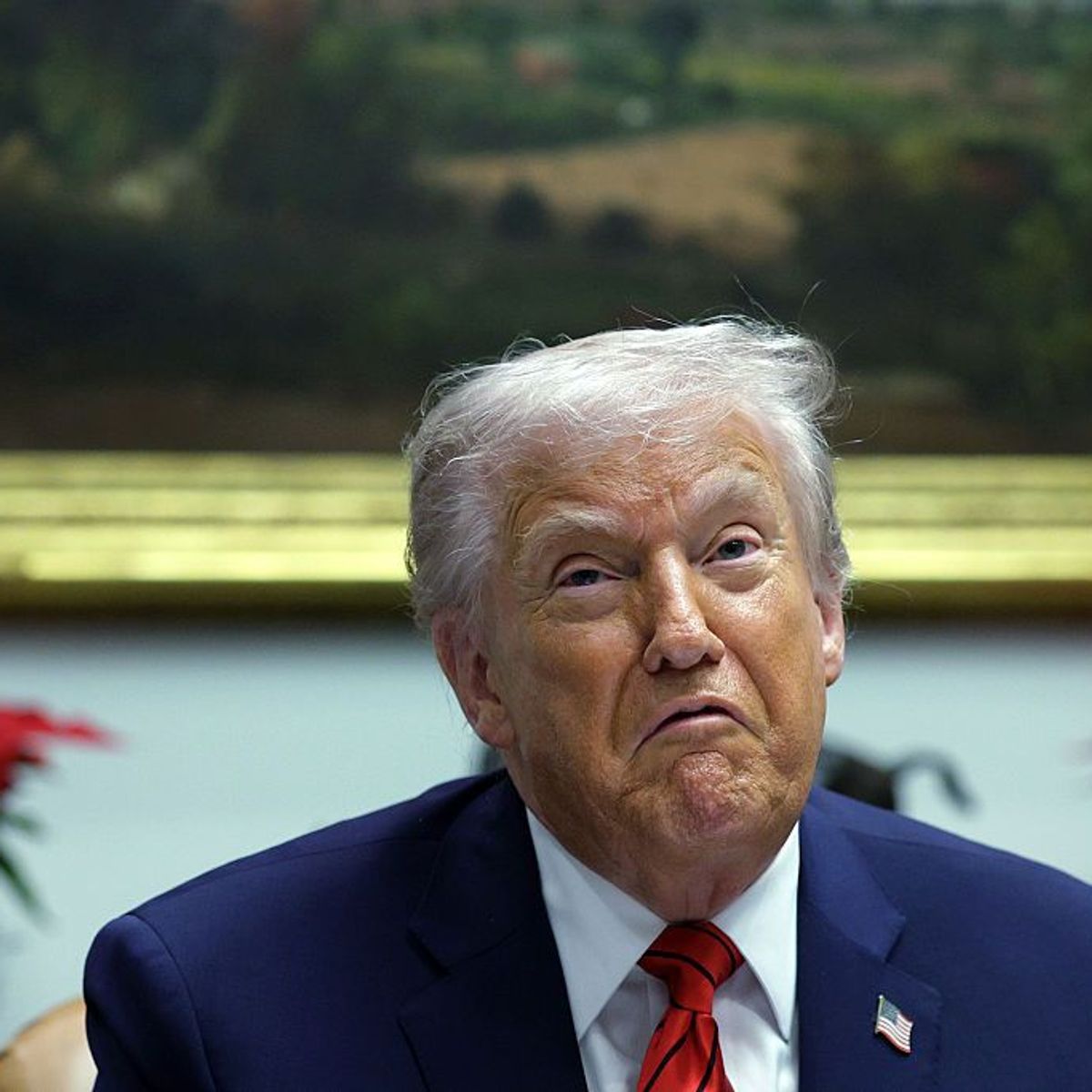
President Donald Trump speaks during a roundtable discussion with top business leaders in the Roosevelt Room at the White House on December 10, 2025 in Washington, DC.
(Photo by Alex Wong/Getty Images)
The vote came after an emotional debate in which some Republican lawmakers detailed threats and harassment they’d received for opposing the president’s redistricting scheme.
President Donald Trump’s push to get Indiana Republicans to redraw their congressional map ahead of the 2026 midterm elections went down in overwhelming defeat in the Indiana state Senate on Thursday.
As reported by Punchbowl News’ Jake Sherman, the proposal to support a mid-decade gerrymander in Indiana was rejected by a vote of 19 in favor to 31 opposed, with 21 Republican state senators crossing the aisle to vote with all 10 Democrats to torpedo the measure, which would have changed the projected balance of Indiana’s current congressional makeup from seven Republicans and two Democrats to a 9-0 map in favor of the GOP.
The Senate vote came after the state House’s approval of the bill and an emotional debate in which some Indiana Republicans opposed to the president’s plan detailed violent threats they’d received from his supporters.
According to a report published in the Atlantic on Thursday, Republican Indiana state Sen. Greg Walker (41) this week detailed having heavily armed police come to his home as the result of a false emergency call, a practice commonly known as swatting.
Walker said that he refused to be intimated by such tactics, and added that “I fear for all states if we allow threats and intimidation to become the norm.”
Indiana’s rejection of the effort is a major blow to Trump’s unprecedented mid-decade redistricting crusade, which began in Texas and subsequently spread to Missouri and North Carolina.
Christina Harvey, executive director for Stand Up America, said that the Indiana state Senate’s rejection of the Trump plan was an “important victory for democracy.”
“For weeks, Indiana residents have been pleading with their state leaders to stop mid-decade redistricting and the Senate listened,” Harvey said. “Despite threats to themselves and their families, a majority of Indiana senators were steadfast in rejecting this gerrymandered map.”
John Bisognano, president of the National Democratic Redistricting Committee, praised the Republicans who rejected the president’s scheme despite enduring threats and harassment.
“Threats of violence are never acceptable, and no lawmakers should face violent threats for simply standing up for their constituents,” Bisognano said. “Republicans in other states who are facing a similar choice—whether to listen to their constituents or follow orders from Washington—should follow Indiana’s lead in rejecting this charade and finally put an end to the national gerrymandering crisis.”
Our work is licensed under Creative Commons (CC BY-NC-ND 3.0). Feel free to republish and share widely.
Heads up—we’re working on this year’s member survey. Please keep an eye out in the coming days and be ready to share what you’re looking forward to in 2025, along with how we can better empower you to champion freedom over fascism, progress, and power to the people.
Click here to Stop Skyrocketing Costs and Chaos — Pass Medicare for All
Milk Club Trans Caucus Meeting Date: Tuesday, April 28 Time: 5-7 PM Location and Zoom Link: Meeting info available to members of the Milk Club Trans Caucus. Please reach out to trans@milkclub.org if you would like to join the Milk Club Trans Caucus.
San Francisco Young Democrats meet with SFDems Chair Nancy Tung Wednesday, April 29th | 2pm Location: SC T-160 (third floor of Student Center) Register The San Francisco Young Democrats at SF State are teaming up with SFDems to make sure their voices are heard. Want to get more plugged into San Francisco... Continue reading →
One Million Rising: Strategic Non-Cooperation to Fight Authoritarianism Virtual Event · Hosted by No Kings Time Wednesdays 8 – 9:30pm EDT Location Virtual event Join from anywhere About this event Across the country, authoritarian forces are getting bolder and more dangerous. Trump and his allies are not hiding their agenda: mass deportations,... Continue reading →
THURSDAY, JUNE 29, 2023 AT 2 AM – 4 AM PDT How to create trust in a group? Details Event by Extinction Rebellion Empathy Circles online EMPATHY CAFE Duration: 2 hr Public · Anyone on or off Facebook How to create trust in a group? This is the question that arose in our... Continue reading →
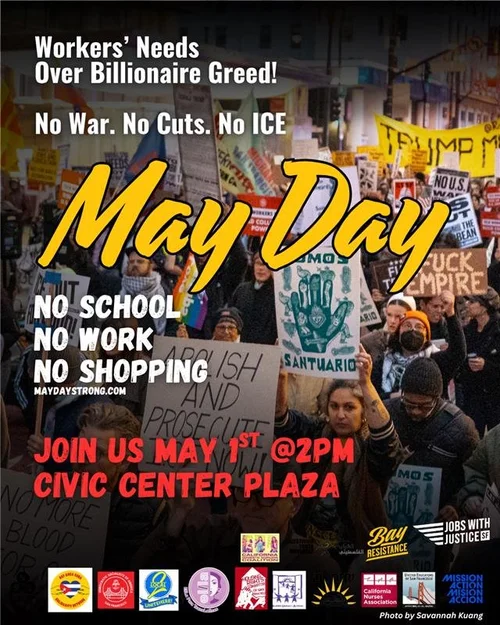
This May 1st, history is calling us into the streets. Our Revolution members are mobilizing for May Day action, joining workers, organizers, union members, students, immigrants, and community allies in a powerful show of solidarity against authoritarianism, corporate greed, and attacks on working people. Across the country, people are rising together... Continue reading →

















 by
by