Dec. 21, 2022Updated: Dec. 22, 2022 5:03 p.m. (SFChronicle.com)
San Francisco has its first post-pandemic office-to-residential conversion application. And for longtime observers of the Mid-Market neighborhood, it’s déjà vu all over again.
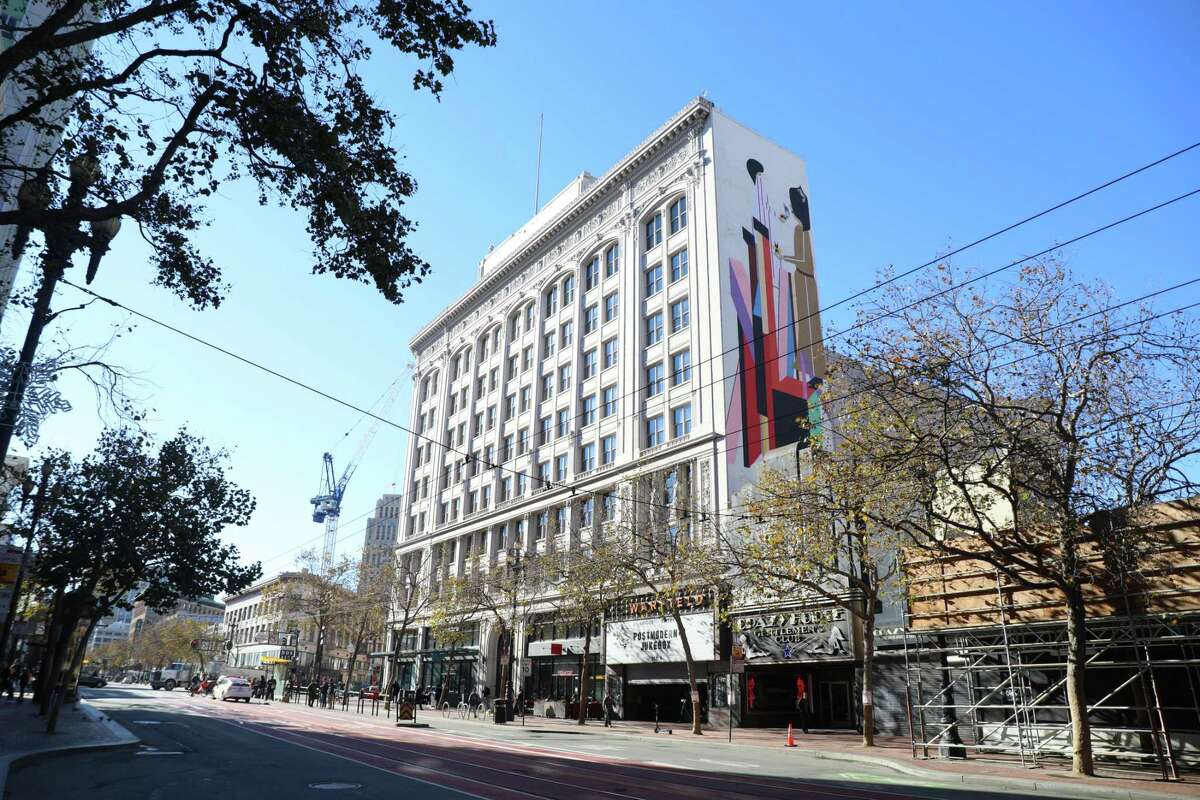
Some 18 years ago when San Francisco was still recovering from the dot-com crash, and office buildings were still riddled with empty floors, an investor from Georgia swooped in and bought the unoccupied Warfield Building at 988 Market St.
The investor moved his family into the top floor and looked into converting the rest of building into 34 condominiums. The project never went anywhere.
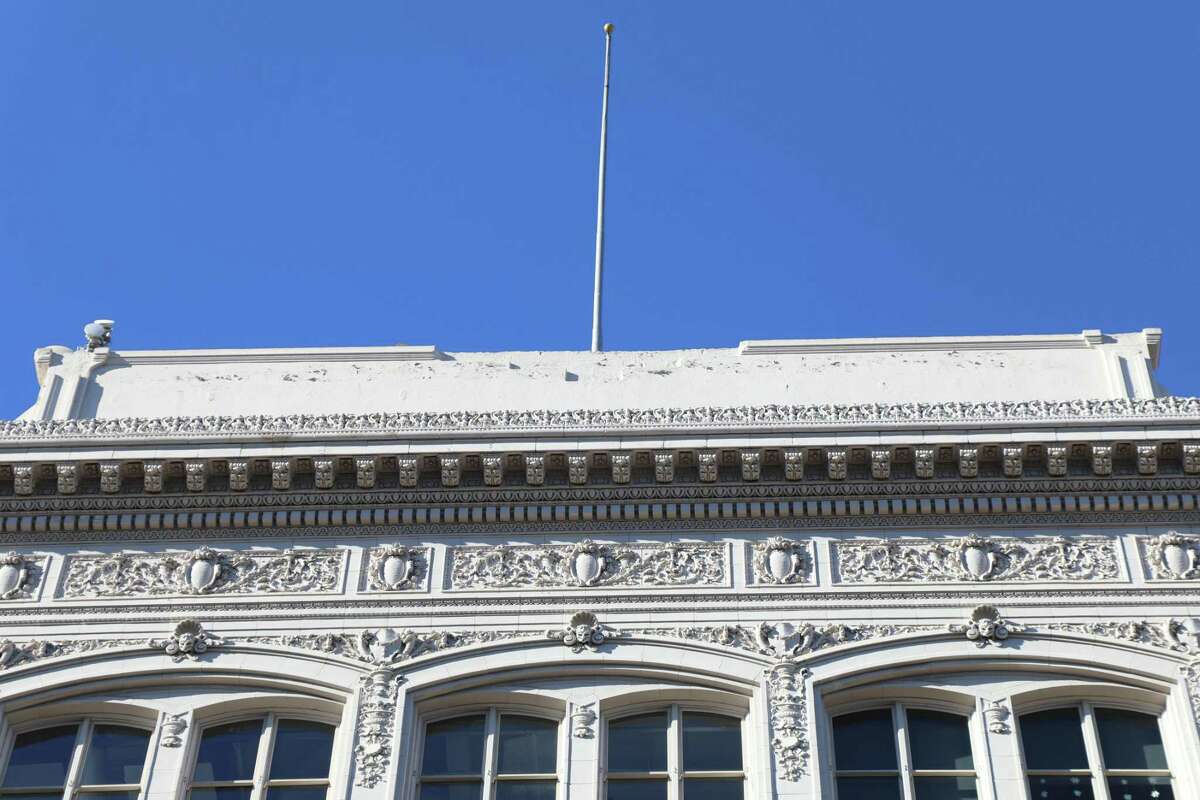
Now, with the city once again replete with vacant office buildings, and the Warfield once again bereft of tenants, another owner has filed an application to convert the 1922, eight-story structure from office space to residential. The application was filed on Tuesday by Group I, which has owned the building since 2012. The San Francisco Business Times first reported the application.
While it’s early in the process, planning Director Rich Hillis said it’s the first application the city has received for an office-to-residential conversion since the pandemic and the remote work revolution emptied downtown San Francisco and left city policy makers scrambling to figure out how to bring people back downtown.
More for you
- S.F. land values are sinking to rock bottom prices, but there could be a silver lining
- Stalled S.F. housing sites are creating eyesores with tents, dumping and drug use. The ‘mess’ could last years
“This is the type of building that is a prime candidate for conversion, an older building with smaller floor plates and operable windows,” said Hillis.
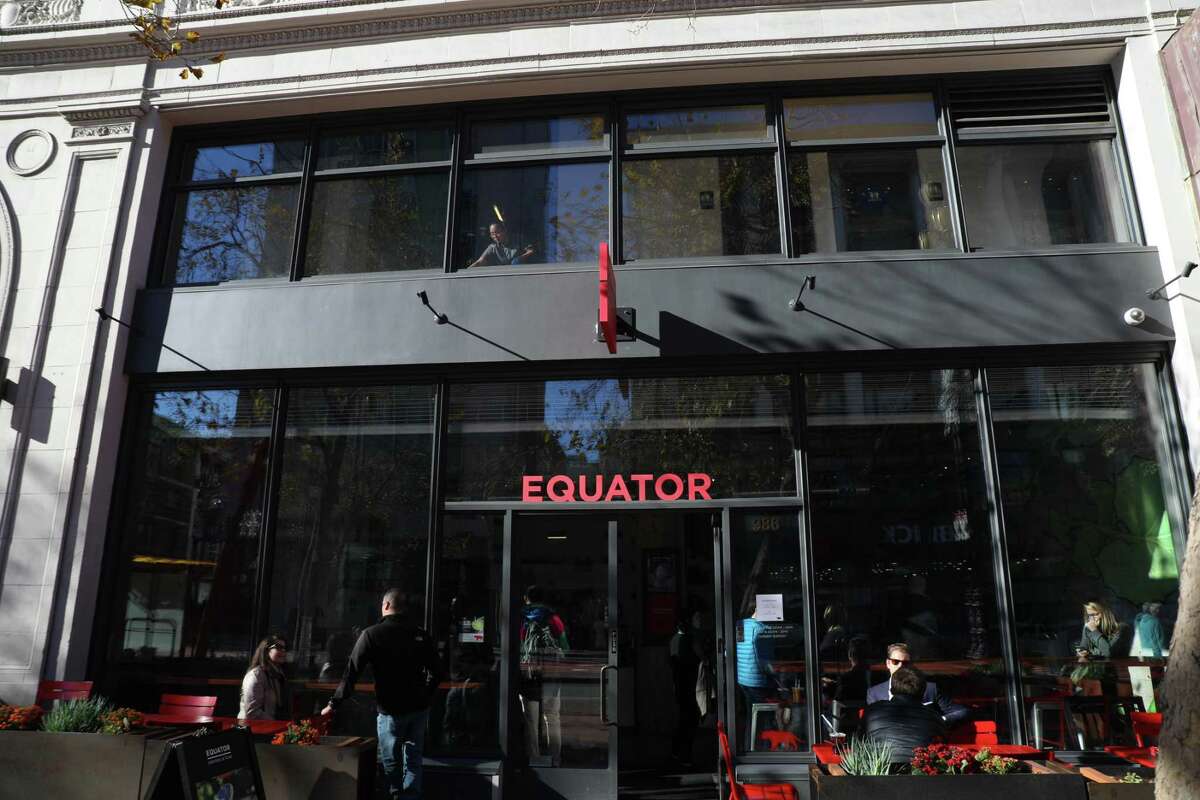
The pre-application says the conversion would consist of an interior remodel of floors five through eight and a partial remodel of the second floor for a gym. No work would be done to the exterior of the building. The building includes about 6,000 square feet of retail and about 36,000 square feet of office space, including a tricked-out penthouse (once the regional offices of gangster Al Capone) that the previous built out as his office, and for a while, his home.
While the building is small and sits on the edge of the Tenderloin, its history over the last two decades perfectly illustrates the booms and busts of a city known for its gold rushes and sudden crashes.
Built in 1922, the Lowes Warfield, as it was once called, was a vaudeville and movie palace known for its ornate interior and acts ranging from Louis Armstrong to Charlie Chaplin, Bob Dylan to the Grateful Dead. The office building next door was the back office for theater companies in the neighborhood, as well as a mishmash of other small commercial spaces, one of which was a satellite office for Capone, who was locked up on Alcatraz.
Then, over some 23 years starting in the late 1990s, it went from a homeless squat to failed dot-com offices, from San Francisco Examiner headquarters to a failed condo conversion, and finally to a shining symbol of the Mid-Market renaissance ushered unto by the late mayor Ed Lee. After Group I took it through a meticulous renovation, tech companies took over. By 2014 it was 100% leased to companies such as Benchmark Capital, Spotify and Match.com.
But even before the pandemic, some of the tech companies started to downsize in the building, put off by the crime and drug dealing that flourished at that corner of Market and Taylor streets. By the end of the first year of the pandemic the only remaining occupant was the building owner, Group I, which used it as construction offices for the Lines hotel and Serif condo project it built down the block at 950 Market St.
Today the building is empty once again and is perhaps taking its place on the vanguard of what may be the next phase for downtown San Francisco.
J.K. Dineen is a San Francisco Chronicle staff writer. Email: jdineen@sfchronicle.com Twitter: @sfjkdineen
Written By J.K. Dineen
J.K. Dineen covers housing and real estate development. He joined The Chronicle in 2014 covering San Francisco land use politics for the City Hall team. He has since expanded his focus to explore housing and development issues throughout Northern California. He is the author of two books: “Here Tomorrow” (Heyday, 2013) and “High Spirits” (Heyday, 2015).

 ©2022 Hearst