


Paul Krantz
Janet Kessler has been watching San Francisco’s wild coyotes for 16 years.
She knows individual coyotes by their faces, has assisted with genealogical studies, and spends time observing them almost every day. The 73-year-old self-taught naturalist is known to some as San Francisco’s “Coyote Lady” because of her efforts to document and advocate for what some would say are the city’s least appreciated residents.
But Kessler never formally studied biology and didn’t previously work in a related field — she’d been a hostess, an editorial assistant, a legal assistant and managed an art gallery at different points in her life. After her last job ended, she started playing the pedal harp, but that pursuit ended after she sliced a finger on a tin-can lid.
“It was during that healing time that I met my first coyote. A coyote appeared magically when I needed it to,” Kessler said. “The more I learned about coyotes over time, the more absorbed and involved I became.”
Kessler’s fascination evolved into a full-time occupation. She isn’t paid for any part of her work as a coyote observer and advocate, but she wholeheartedly rejects the term “retired.”
“Retirement means kind of stopping and settling down. I’m extremely active,” Kessler said, adding that she regularly works more hours than is required by a standard job.
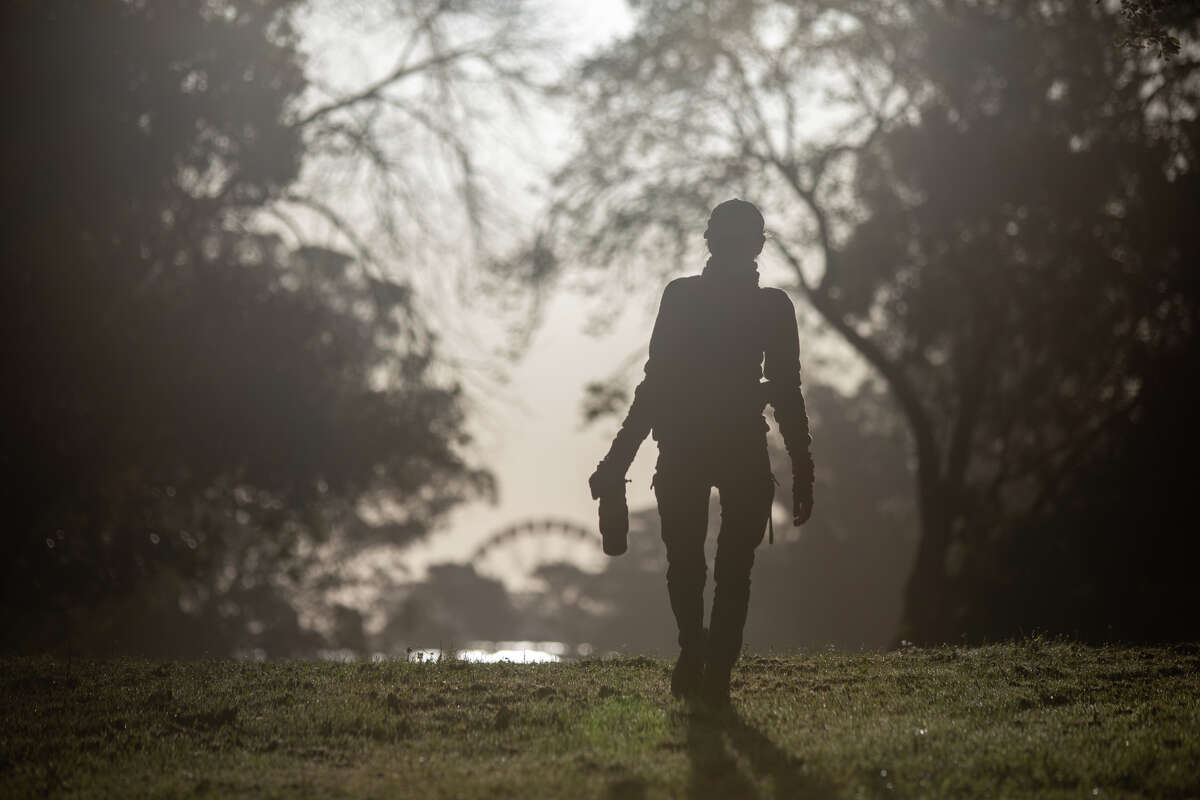
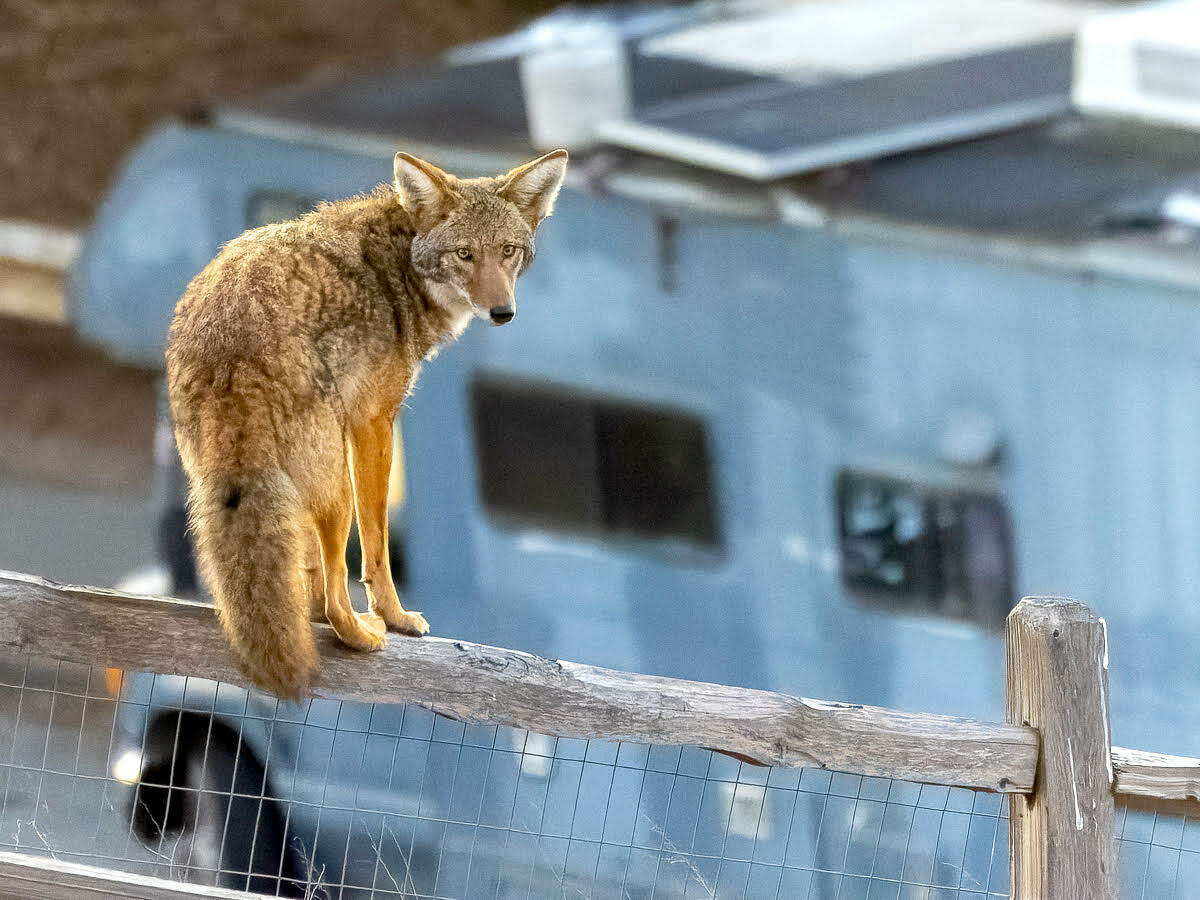
(Douglas Zimmerman/SFGATE/Photos by Janet Kessler)
Kessler regularly enjoys early morning and evening walks in San Francisco’s open spaces, a habit that she has continued since her first coyote meeting. She started bringing along a camera so she could document their presence and behavior.
“I don’t consider myself a photographer; rather, the camera is a notebook for recording data,” Kessler said, adding that she started shooting with a simple digital point-and-shoot and eventually upgraded to a mirrorless camera with a 650 mm lens — a setup that puts her on par with professional wildlife photographers.
In 2008, Kessler started collecting scat samples, which eventually were used for research into the local population. A team of students from the Mammalian Ecology and Conservation Unit at UC Davis analyzed the DNA, gaining insight into the animal’s local genealogy.
BEST OF SFGATE
Local | This mysterious Bay Area beach is covered in broken ceramics
Food | Is San Francisco tiki bar the Tonga Room actually good?
Culture | This SF restaurant was the blueprint for ‘Bob’s Burgers’
Music | Nirvana’s Cow Palace show was once panned. Now, it’s revered.
One study, which examined 97 scat samples from at least 30 individuals, concluded that San Francisco’s population is “essentially a single, randomly interbreeding population or family group.” These results seem to validate what Kessler has believed for years — that the city’s coyote population started with four to six individuals that were reintroduced sometime around 2002.
Further DNA studies are ongoing, which Kessler expects will confirm familial relationships she has documented, and potentially reveal others. Additionally, other researchers are analyzing the scat samples as part of a diet study. Initial findings suggest that urban coyotes are eating more human foods than previously thought.
She began publishing information about San Francisco’s coyote population on her Coyote Yipps blog in 2009, and later she started sharing her photos on an Instagram account with the same name. Kessler even wrote a couple of manuscripts for books about San Francisco’s coyotes, one of which detailed her encounters with a specific coyote she named Myca. Kessler self-published “Myca of Twin Peaks,” and copies of the book were sold in San Francisco’s independent bookstores. She also gives talks around the city.
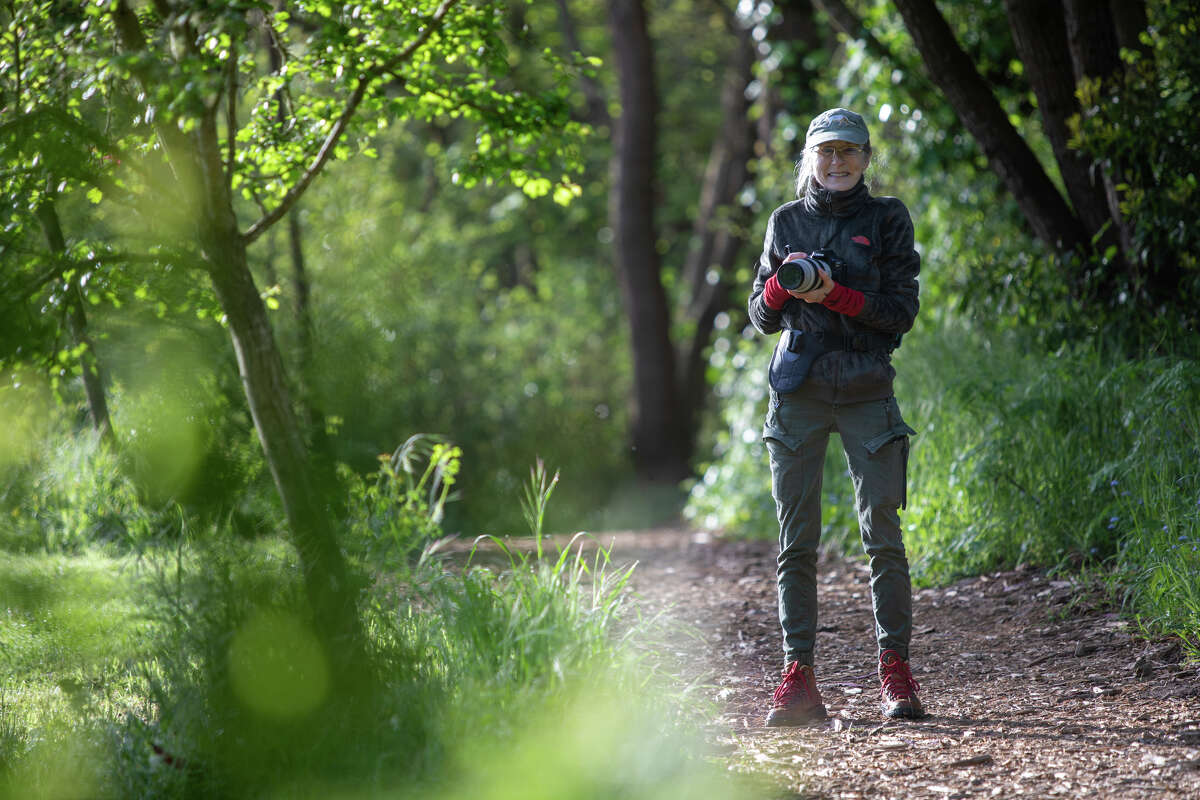
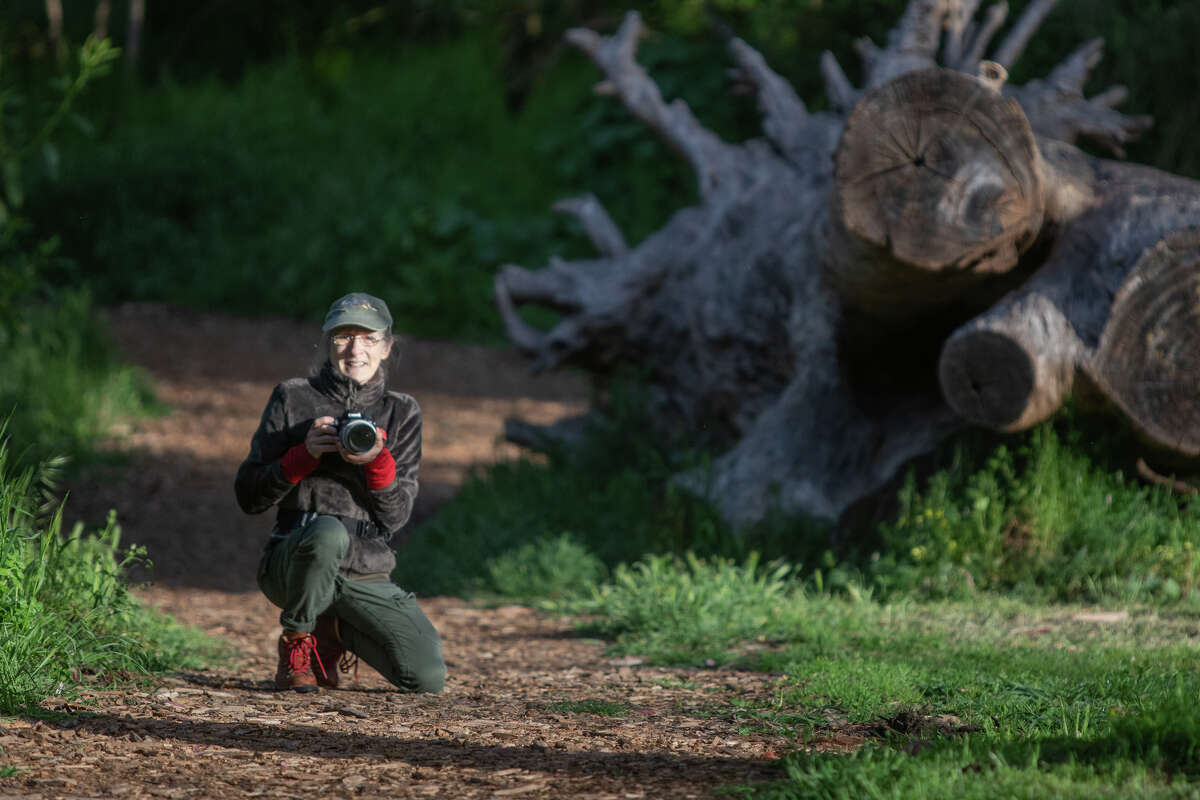 Janet Kessler poses while photographing coyotes in Golden Gate Park in San Francisco, Calif. on Apr. 27, 2023. Kessler has been capturing images of the coyotes in the park for years.Douglas Zimmerman/SFGATE
Eventually, Kessler’s work transformed her from a casual observer into a coyote advocate. While headlines about coyotes tend to focus on alleged attacks, she maintains that coyotes are more like us than most people realize.
“They are much more intelligent than most people think. They think and plan ahead, they have direction and purpose to their actions,” Kessler said. “They have individual relationships and routines. They are protective of their areas, they have likes and dislikes between themselves. They love to play, they hunt for a living, they have flawless memories.”
She also added that coyotes tend to mate for life, but just as with humans, occasionally it’s more complicated. Coyotes are territorial, with a mating pair claiming and defending a territory. That territory includes where they hunt and forage for food, and also where they raise their family. In both urban and wild environments, coyotes’ life cycles tend to follow an annual cycle.
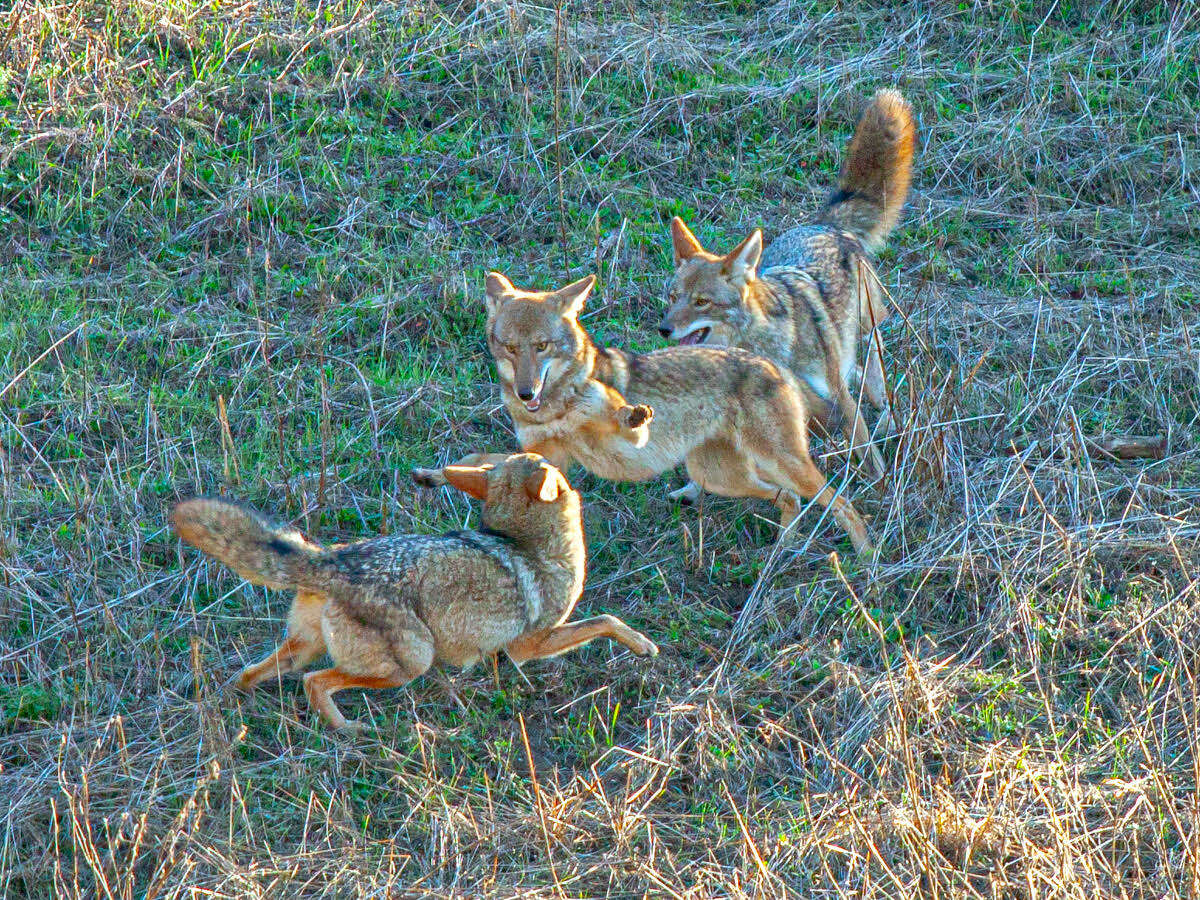
One of Janet Kessler’s photos of coyotes in San Francisco. Photo by Janet Kessler
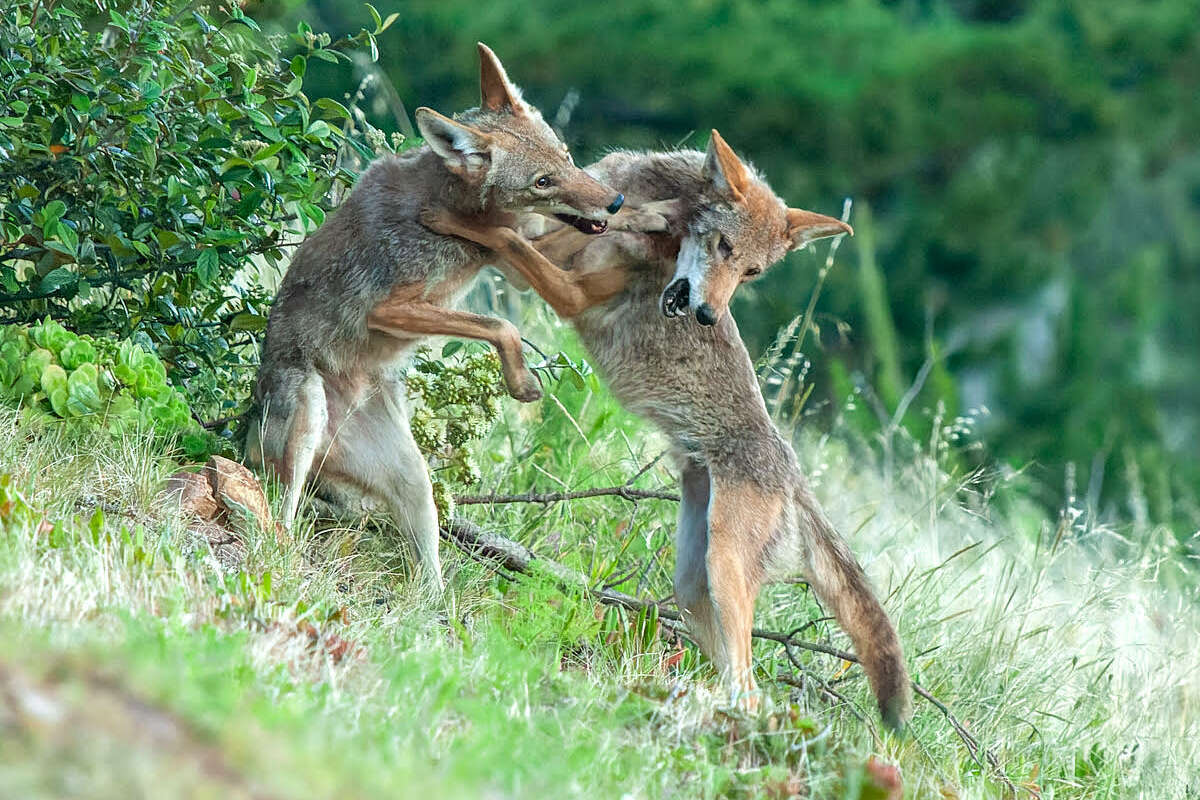
Pupping season typically begins in April in San Francisco, when a litter of one to seven coyote pups are born. The pups remain in their den with both parents working together to bring them food until they are big enough to come outside and begin to learn how to hunt. “There’s lots of playing and family activity,” Kessler said. “Tug-of-war games and things like human kids do — just to get their muscles moving.”
When the pups are about 9 months old and fully grown, they begin dispersing, leaving their families in order to find a mate and a territory of their own. Kessler notes that dispersal happens at different times for different individuals. In the city, she’s noticed that most pups disperse sometime during their second year. Come next year’s pupping season, the cycle repeats.
The dispersal period is an especially hazardous time for urban coyotes, as they leave the parks and open spaces and wander through more urban areas in search of a place to live.
“There have been big shifts in some of the coyote families this winter due to deaths, to moving, or to territorial takeovers. I’m looking forward to seeing how things settle down,” Kessler said. She added that she welcomes photos of local coyotes along with notes about the place and time they were seen, to help her track their movements and their territories.
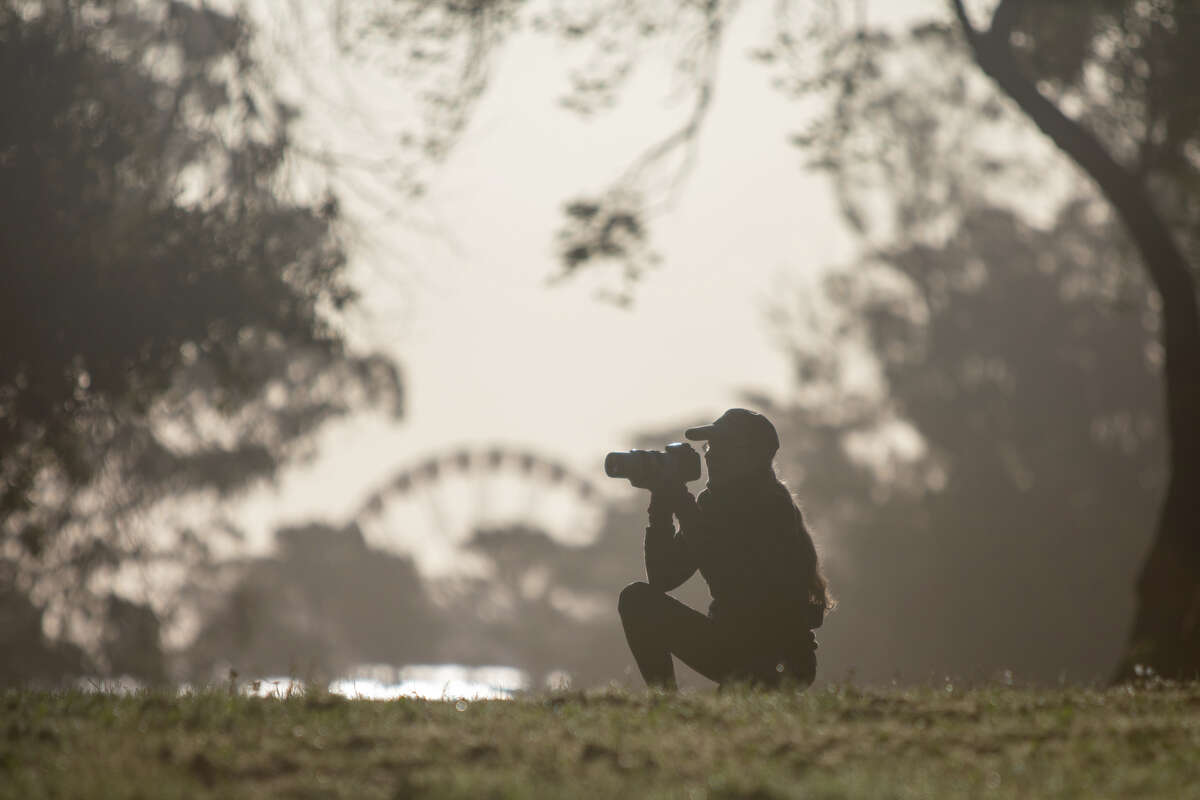
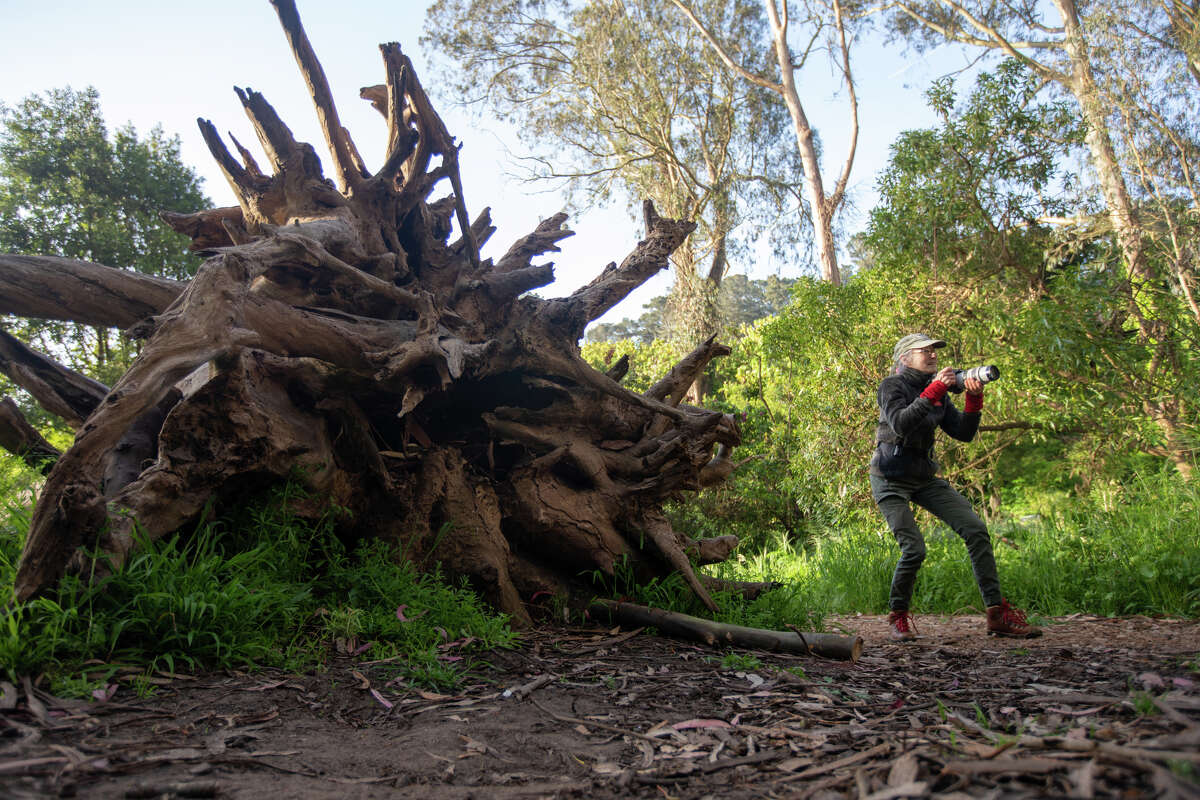
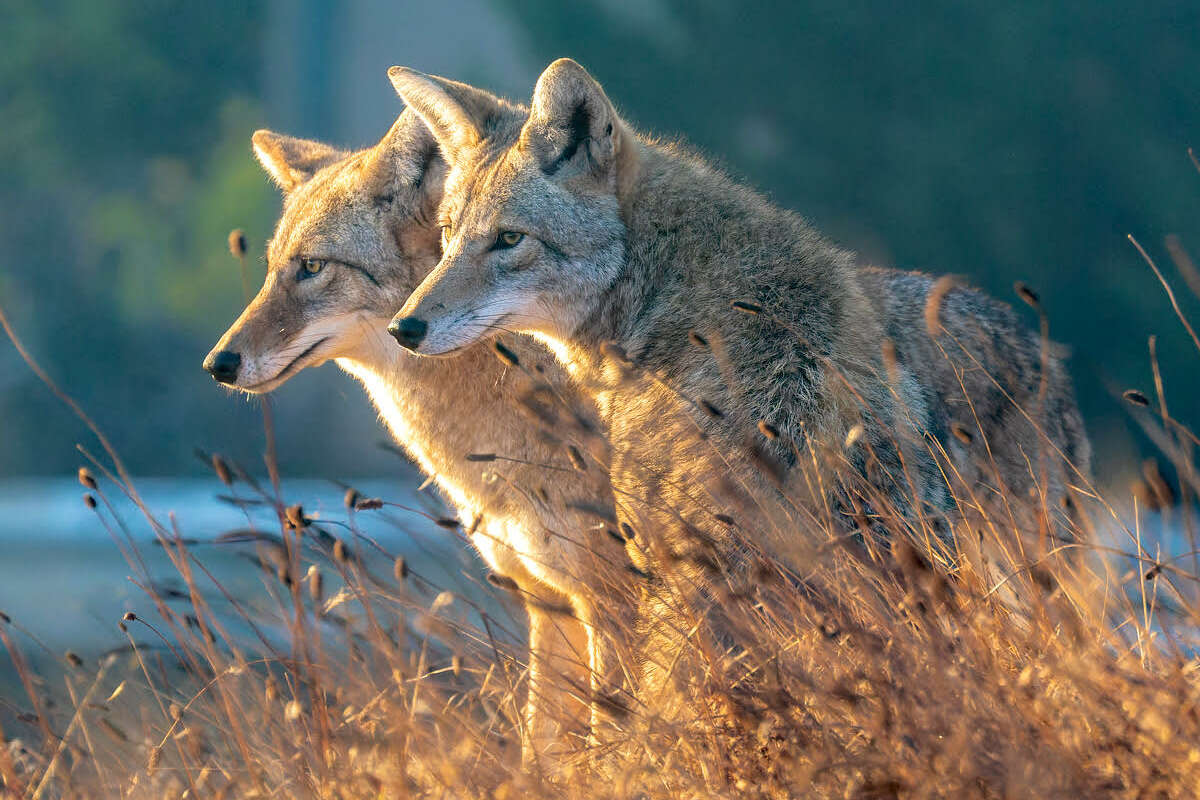
(Douglas Zimmerman/SFGATE/Photo by Janet Kessler)
The top cause of accidental death among coyotes living in urban areas is car crashes. In 2021, 24 coyotes killed by cars were picked up within the city, Kessler said.
Still, Kessler believes the local population is relatively stable, and that the city’s coyotes aren’t going anywhere soon. “I think it’s pretty clear that coyotes are in cities because these areas attract them,” she said. “Coyotes aren’t being shot here in the same way they are in rural or ranching areas, and their diets are supplemented by our garbage.”
The most important thing people need to know about coyotes, Kessler says, is to keep pets on a leash when they are around and to walk away from them.
“Co-existence is really easy — keep away from them. Don’t let pets roam free, and don’t feed them.”
Paul Krantz is an Oakland-born writer and journalist currently based in Berlin. He has an M.A. in Digital Journalism, and tends to focus on the environmental impacts of human activity.


©2023 Hearst Communications, Inc.


