Abstract
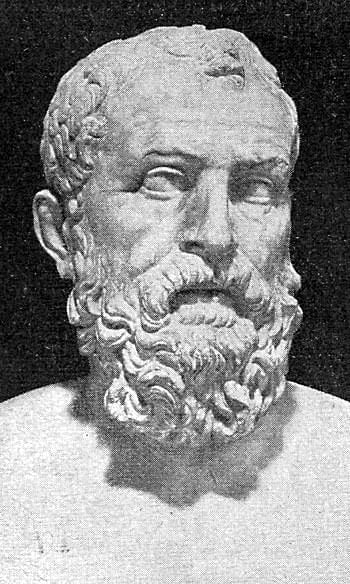
Debts were a structural factor in the lives of peasants throughout the ancient world. In Archaic Greece, Solon of Athens took the unique measure to cancel all debts, abolish debt slavery, and bring back those individuals who had been sold abroad. For this innovation, he drew on the tradition of periodic debt remission and liberation of debt slaves by royal decree in the empires of ancient Mesopotamia, about which he may have heard during his travels in the East. His poems about his legal reforms also display striking similarities with Near Eastern, and specifically Neo-Assyrian, official memorials. In contrast to debt slavery in the Near East, the practice at Athens was terminated forever, even though the custom of debt remission failed to become entrenched.
(jstor.org)

Seisachtheia
Description
Seisachtheia was a set of laws instituted by the Athenian lawmaker Solon in order to rectify the widespread serfdom and slavery that had run rampant in Athens by the 6th century BCE, by debt relief. Wikipedia