- By Owen Thomas | Examiner columnist
- Jul 11, 2023 Updated 20 hrs ago (SFExaminer.com)
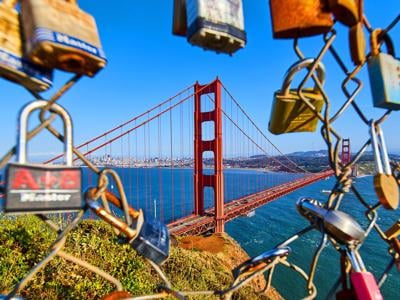
San Francisco was built by taking in errant souls who made a home here. Judy Garland sang a whole song about it: “San Francisco, open your Golden Gate, you’ll let nobody wait outside your door.”
We lived up to that anthem throughout San Francisco’s history. We were a boom town, growing about 2% a year from the late 19th century through the middle of the 20th century, except when the Great Depression and World War II slowed things down.
Our population reached around 775,000 in 1950, according to U.S. Census records, then went through a wrenching period of retrenchment as suburban flight took hold.
The dot-com boom — which coincided with a nationwide period of urban growth as Generation X flocked to cities — reversed that trend, and by 2000 San Francisco had exceeded its midcentury population peak. By 2020, The City’s population had reached 873,000.
You know what happened next: A global pandemic and a widespread embrace of remote work — nowhere more so than in San Francisco, where both the style of collaboration and the technologies that enabled it were largely perfected.
Yet even with the flight to Zoom towns, San Francisco only shrank by 7%. At 808,000, The City’s population in 2022 is still larger than it was in 2010. If this is the best Miami and Austin can do in luring people away, those cities have a lot of work to do.
The truth is that San Francisco is still an incredibly attractive place to live. Yes, the Tenderloin is a mess, as it was when Garland delivered her tribute to Jeanette MacDonald. But that’s about 50 square blocks within 49 square miles.
Most of The City lives somewhere else, though that seems hard to explain to people whose impression of San Francisco is shaped by CNN or Fox News.
We need to fight the fentanyl crisis and shut down the open-air drug markets that make that neighborhood’s streets threatening to the families and other ordinary residents who live there. But we can’t think that dealing with The City’s street conditions is the only problem we must solve.
The deeper problem is that we aren’t building housing to accommodate newcomers. The human faces of the housing crisis, the stories you read about, are often longtime residents who’ve picked up and moved to Sacramento or Los Angeles or the ranks of the unsheltered.
But there’s another constituency we rarely consider: Those who might long to move to San Francisco but get turned away. A 2019 study by the International Monetary Fund name-checked The City as a place that used to present opportunities for economic mobility but is hobbled by rising housing prices.
The very plot of “Tales of the City,” in which Mary Ann Singleton turns her vacation from Cleveland into a permanent move as she easily lands a job, seems increasingly implausible today.
Today’s Singletons would face a long wait at the gate at the rate The City is approving housing. From February to April, San Francisco approved an average of eight new units of housing a month. May was a little better, with 48 units approved.
According to the state-mandated housing element The City approved early this year, we need to build more than 82,000 new units of housing between now and 2030, or about 10,000 a year. That’s more than 800 a month, or 100 times the pace we achieved at the beginning of 2023.
A pair of proposals for towering apartment blocks in the Sunset and SoMa represents one vision for reopening San Francisco. The height of the projects, one 47 stories and the other 50, is already scandalizing some residents, recalling the fights against “Manhattanization” in the 1980s.
Of course, with a Board of Supervisors delaying the building of 10 apartments in Nob Hill for casting shadows on a nearby playground, it’s hard to imagine such structures going up without a fight.
But we have little choice but to build upwards. As Salesforce CEO Marc Benioff once told me, “They aren’t making more San Francisco.”
And if we want to preserve The City’s Victorians and other markers of past building booms, tall buildings with compact footprints seem like the best solution versus squat buildings that require bulldozing more existing homes.
Before you start nattering on about converting underused offices to housing, let me stop you with these few words: post-tensioned concrete slabs. Look it up — it’s the reason why it’s impractical to turn most modern office buildings into apartments.
The City is pulsing with visitors again this summer. I’m convinced tourism is tied to our future in more than just economic ways: The more people who come to see San Francisco, the more who will conclude, as Garland put it, that it’s time to “wander no more.”
We need more people making their own tales of The City. If we’re to be a place where people come home again, never to roam again, they need to have a place to call home. And that requires building.
The problem is that those who have yet to plant roots here have no voice in our political process. Those would-be San Franciscans can’t cast a shadow, let alone a vote. The only representation they have is in our hearts, if we choose to open them.
We’ve done it before. We can do it again.