


By Aldo Toledo Feb 15, 2024 (SFChronicle.com)

San Francisco is poised to apologize for its role in decades of discrimination against Black residents amid an ongoing debate over whether to give cash payments and make other reparations to the African American community.
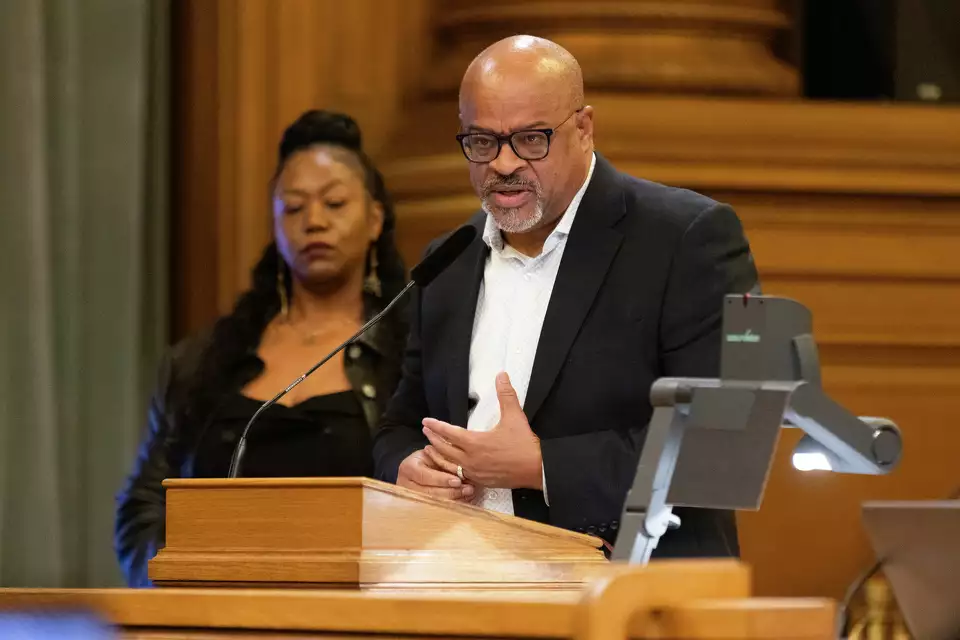
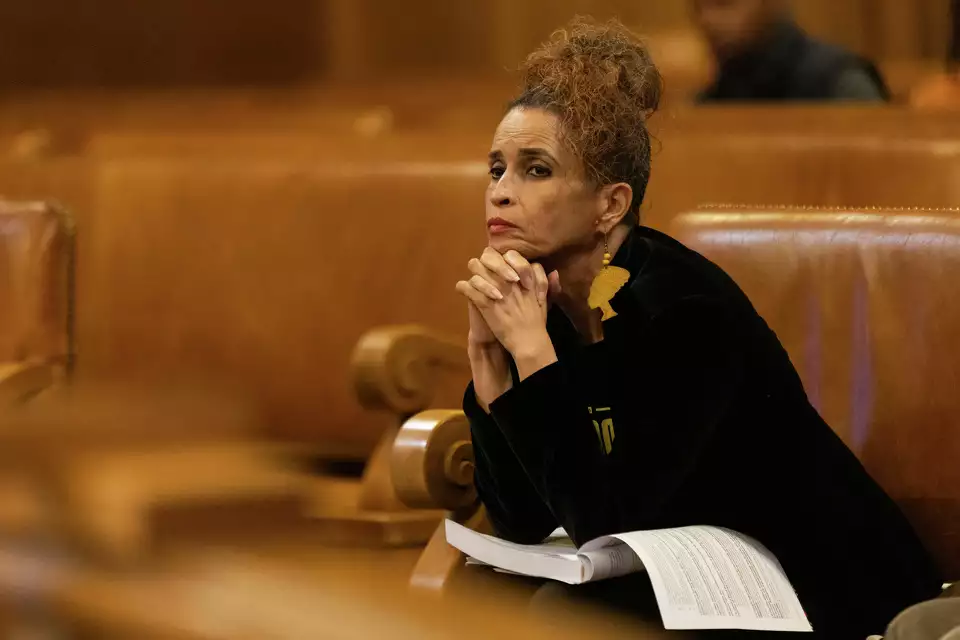
Dozens of people packed the San Francisco Board of Supervisors chamber Thursday to hear for the first time a resolution apologizing for the forced removal of Black communities from historic neighborhoods, ongoing tensions with the Police Department and underinvestment in key public services.
A task force set up by the city released recommendations last summer suggesting reparations to the city’s Black community, including potential $5 million payments meant to rectify some of the harm caused by generations of systemic racism. The task force also recommended issuing the apology.
But Mayor London Breed has made it clear she does not support the cash payments, arguing they should be dealt with at the state or federal level. Breed also did not agree to spend money to set up an Office of Reparations to roll out some of the recommendations in the 400-page report.
Breed has invested tens of millions of dollars in the Black community through her popular Dream Keeper Initiative.
Still, the city became one of the first in the country to tackle reparations and cash payments, which remain controversial.

The seven-page draft resolution says San Francisco has a long history of creating laws, policies and institutions that have “perpetuated racial inequity in our city, much of which is difficult to document due to historical erasure.”
But for some, an apology is not enough.
Sala-Haquekyah Chandler, a local activist, said she was disappointed that Black residents need to repeatedly ask for reparations to happen.
“You are an embarrassment to my people and my nation, and every one of you is guilty. We need you to call to action,” she said.
The Rev. Amos Brown, a former supervisor, said an apology is just “cotton candy rhetoric” after running through a list of wrongdoings by San Francisco against Black residents. He likened recently unveiled plans to redevelop the Fillmore Safeway site into housing to the urban renewal in the 1960s and ’70s that destroyed housing and businesses in the neighborhood.
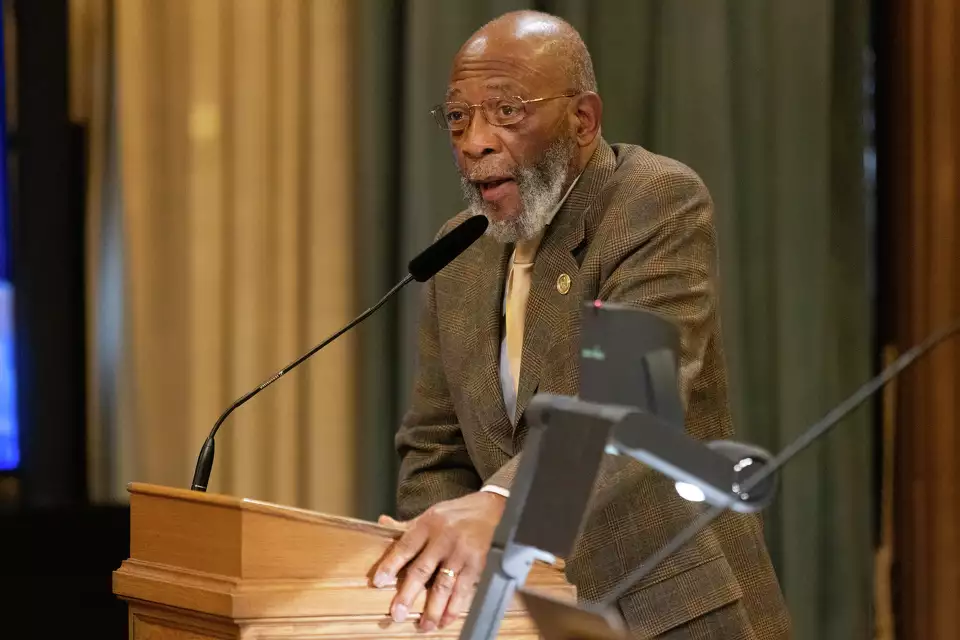

Brown said the city ought to be ashamed of the decline of its Black population to less than 6% of the population.
“We don’t need another conversation, we need to change our conduct,” Brown said.
So far, all supervisors have cosponsored the resolution, and it appears likely to pass the full board.
The resolution begins by talking about the trauma of slavery and Jim Crow. It then highlights how San Francisco was one of more than 200 cities starting in the 1930s that were “redlined” by federal and financial agencies, dividing areas into those that were deemed appropriate for investment and those that were deemed too risky.
Redlining meant that majority-white neighborhoods “saw their property values and wealth rise,” while redlined neighborhoods were “denied loans, city investment and infrastructure upgrades,” concentrating poverty and blight, the resolution says.

Neighborhoods that were redlined included the Western Addition, Bayview-Hunters Point, the Haight, Chinatown and parts of the Mission.
Amid World War II, the Fillmore became a largely Black neighborhood, but it was later devastated by the city’s urban renewal policies.
The resolution says Black residents continue to face racial discrimination in employment, housing, education, health care and the criminal justice system.
The resolution also says the city has “systemically robbed Black San Franciscans of opportunities to build generational wealth.” The median net worth for Black families was $44,100 in 2022, a fraction of the wealth that white families amassed, estimated at just over $284,000, according to Lending Tree.
The resolution notes that Black residents experience poverty at three times the overall poverty rate in the city and that Black residents continue to suffer from high unemployment and poor health outcomes.
The effect that policing has had on the African American community was also underscored in the resolution.
In the last quarter of 2022, Black residents were 25 times more likely than white people to experience use of force from the San Francisco Police Department. And though Black people make up less than 6% of the city’s population, they make up 35% of the city’s arrests and 38% of unhoused people.
Nine states have made formal apologies to African Americans, and Boston was the first major city to pass an apology resolution in 2022.
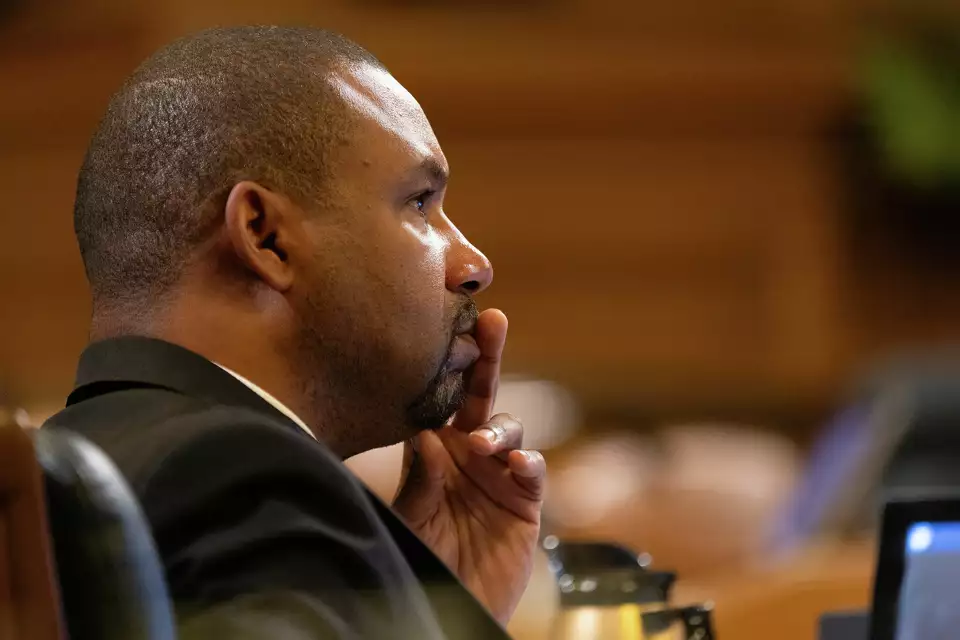
San Francisco Supervisor Shamann Walton, who has been leading the legislation and discussions around reparations, said the apology is a key part of making amends to Black people.
Walton also said he will continue fighting to create the Office of Reparations and fund the task force’s recommendations.
“I want to acknowledge all the work around reparations here in San Francisco, so as we continue to improve outcomes for Black people in this city this apology will bring us all closer to that end goal,” Walton said.
Reach Aldo Toledo: Aldo.Toledo@sfchronicle.com
Feb 15, 2024
By Aldo Toledo
Adalberto “Aldo” Toledo is a city hall reporter with The San Francisco Chronicle covering the mayor and Board of Supervisors. He is a Venezuelan American from a family of longtime journalists.
Before joining the Chronicle in 2023, he reported on Peninsula governments and breaking news for the San Jose Mercury News. He also has bylines in the Dallas Morning News, Pittsburgh Post-Gazette and Champaign, Illinois News-Gazette.
Raised in Texas, he studied journalism with a print news focus at the University of North Texas Mayborn School of Journalism, where he worked as News Editor for the North Texas Daily student newspaper.
He can be reached at Aldo.Toledo@sfchronicle.com.