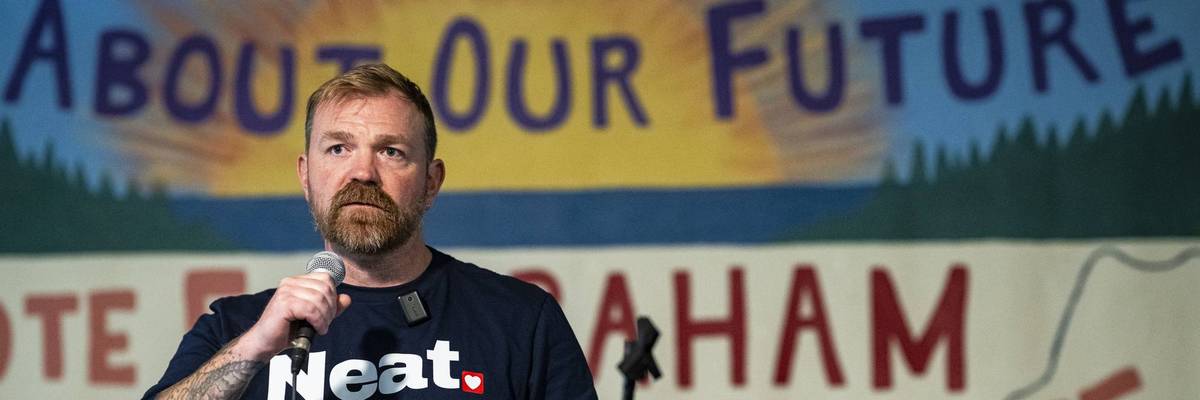
US Senate candidate from Maine Graham Platner speaks during a campaign event on May 2, 2026 in Appleton, Maine.
(Photo by Graeme Sloan/Getty Images)
“It is long past time to hearken back to the legacy of the New Deal, to unlock American ingenuity and work ethic to rise to our energy challenges.”
May 08, 2026 (CommonDreams.org)
In his energy policy unveiled Friday, Democratic US Senate candidate Graham Platner in Maine emphasized that political choices over the last several decades undid the robust New Deal-era framework that helped keep household bills down and financed electricity across his state and the country—and that lawmakers can and must shift their priorities in order to help working families afford energy once again.
“What was done by political choice can be undone by political choice,” said Platner in the plan. “If we approach our energy challenges with the resources currently reserved for the Pentagon and for billionaire tax breaks, we can meet our energy needs.”
RECOMMENDED…
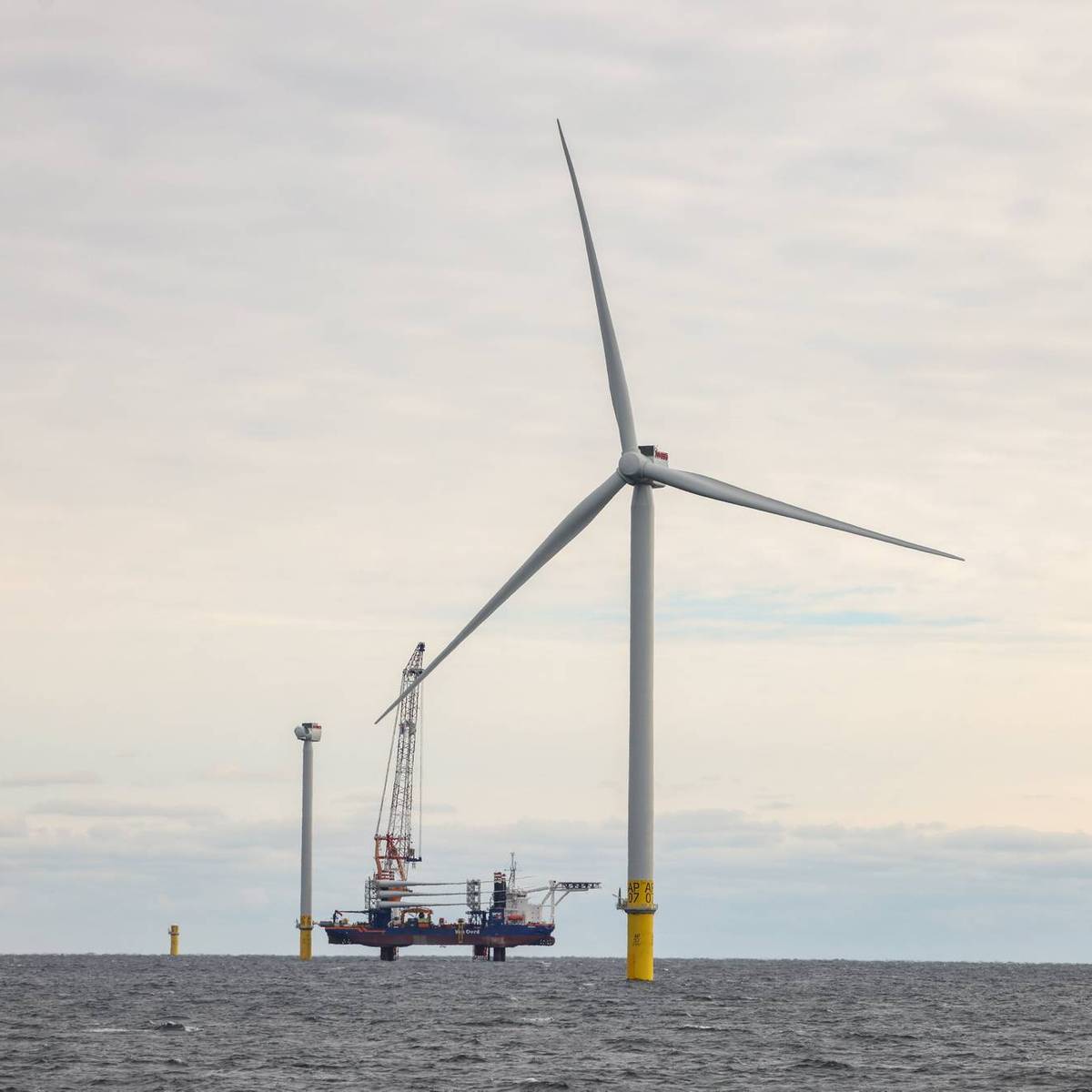
Trump ‘Extrajudicially’ Blocks All New US Wind Projects—Which Could Power 15M Homes Amid Energy Crisis
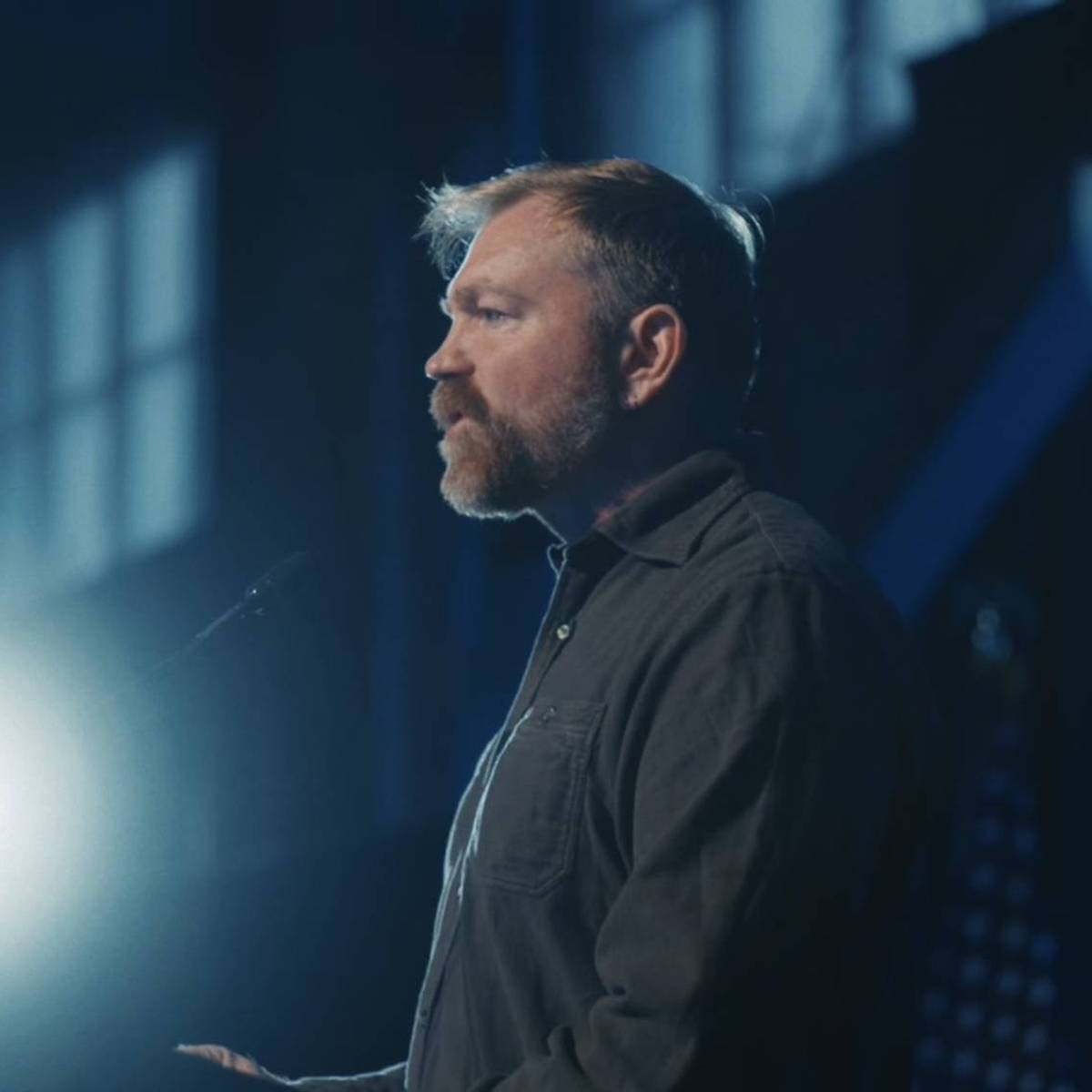
‘Charade Is Over’: New Platner Ad Takes Aim at Collins’ ‘Symbolic Opposition’ to Trump Agenda
The oyster farmer and combat veteran, a political newcomer who is the presumptive Democratic nominee and is running to unseat five-term Sen. Susan Collins (R-Maine), unveiled a plan under which the US can “Take Back American Power” by replacing “regressive gas and diesel taxes” with his billionaire wealth tax proposal, introduced last month; take aim at Big Oil windfall profits; and prioritize clean energy development instead of “overpriced, dead-end Pentagon pet projects.”
The plan is divided into four sections, with the first focusing on slashing energy prices for households across the country and in Maine—where the average family paid $900 more this past winter compared to the previous year to heat and light their home and power their car.
While the federal gas tax is meant to fund the Highway Trust Fund for infrastructure projects, Platner noted that $275 billion general fund have been needed to supplement the trust fund since 2008. Instead of funding projects with taxes that “hit working-class Mainers that hardest,” said Platner, “public goods should be financed by progressive, general revenues” like his proposed 5% tax on wealth over $1 billion.
He expressed support for the Big Oil Windfall Profits Tax Act, introduced by Sen. Sheldon Whitehouse (D-RI) and Rep. Ro Khanna (D-Calif.), with a national fund to lower or freeze electricity rates supported by a per-barrel tax equal to 50% of the price difference between current oil prices and those from last year.
“We can cut Wall Street speculators out of the equation, build at scale with union jobs, and lower costs for everyone.”
A rate freeze would also be funded by “repurposed federal fossil fuel subsidies and federal energy leases… so that states can support utilities making long-overdue upgrades that create a stronger, better-utilized, and cleaner grid that lowers power bills.”
The second section of the plan focuses on funding clean energy projects and replacing the model of “financing energy investments with expensive private equity and high-yield debt” with a National Energy Infrastructure Fund. The fund would issue debt backed by the federal government, working with state agencies to provide “cheap capital directly to utilities, rural electric co-operatives, public energy authorities, and other developers of low-risk clean energy projects.”
Combined with permitting reform for clean energy projects, the National Energy Infrastructure Fund would allow for an efficient build-out of transmission lines and offshore wind projects while passing tens of billions of dollars in savings on to ratepayers.
“We can cut Wall Street speculators out of the equation, build at scale with union jobs, and lower costs for everyone,” said Platner.
The Senate candidate also proposed strategic fuel reserves for fisheries and farms, modeled on a reserve that hold approximately 1 billion barrels of oil for households across the Northeast in case of a fuel disruption.
Releases from a marine fuel reserve would “be triggered by verified price spikes during fishing seasons,” while the stock for farmers, who bear “the brunt of our energy crisis,” would be used to insulate the nation’s food supply “from price shocks, particularly those caused by arbitrary wars.”
The policy proposal was released as President Donald Trump issued his latest violent threat against Iran despite a ceasefire that was reached a month ago in the war the US and Israel started in late February. The average gas price is now above $4.50 per gallon, while 70% of US farmers told the American Farm Bureau Federation last month that the price of fertilizer has gotten so high due to Iran’s closing of the Strait of Hormuz in retaliation for the attacks, that they will not be able to afford all they need for the 2026 planting season.
Platner has taken aim at Collins for her votes against war powers resolutions that would give Congress a check on Trump’s authority to attack Iran.
“Mainers can no longer afford Susan Collins, her party, or the crony capitalism that has handed over our essential public infrastructure to oil companies, private equity, and foreign-owned utilities,” said Platner. “The solutions are straightforward. They simply require the political will: to end Big Oil’s stranglehold on our energy policy, to slash prices for consumers, and to build the energy of the future.”
The Democrat’s energy plan also calls for a National Whole Home Repair Program, modeled on a Pennsylvania initiative and scaled to the federal level. The program would partner “with public housing authorities, county-level programs, and local building and construction trades unions to cover the full range of work that would bring old housing into the present.”
“Weatherization, electrification, and heat pumps can lower bills by thousands of dollars a year,” reads the plan. “The technology exists. The skilled trades exist. What does not exist, for most Mainers, is the upfront capital.”
It concludes that “it is long past time to hearken back to the legacy of the New Deal, to unlock American ingenuity and work ethic to rise to our energy challenges.”
Our work is licensed under Creative Commons (CC BY-NC-ND 3.0). Feel free to republish and share widely.
Julia Conley is a senior editor and staff writer for Common Dreams.