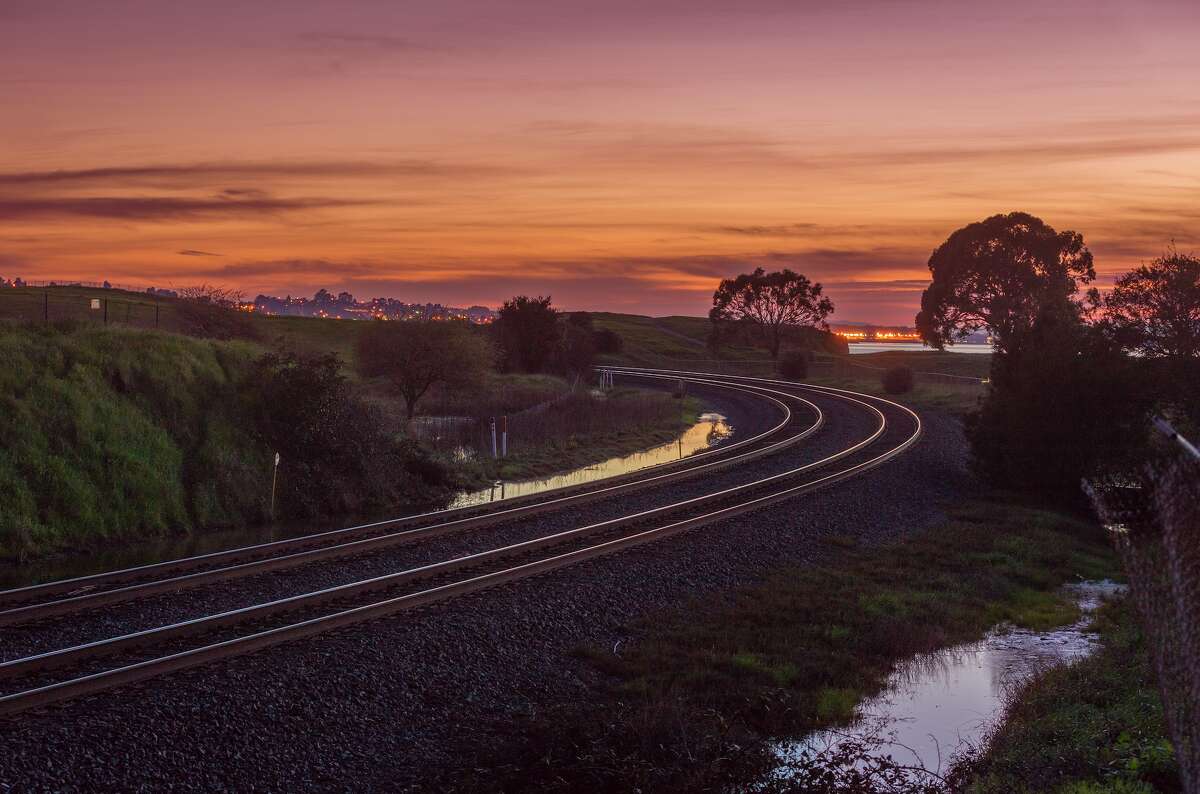
A privately funded project to operate a nightly first-class passenger train between San Francisco and Los Angeles is underway.
Dreamstar Lines Inc., a small Newport Beach company, says it’s working on lining up the railcars, financing, staffing and agreements needed to offer the first night train on the route in decades.
However, hurdles remain before the train can start operating.
Many travelers abandoned passenger trains for driving or flying long ago, but Dreamstar believes modern road congestion and the hassles of air travel create an opening for its train. The SF-LA flight corridor is among the busiest for travel in the United States.
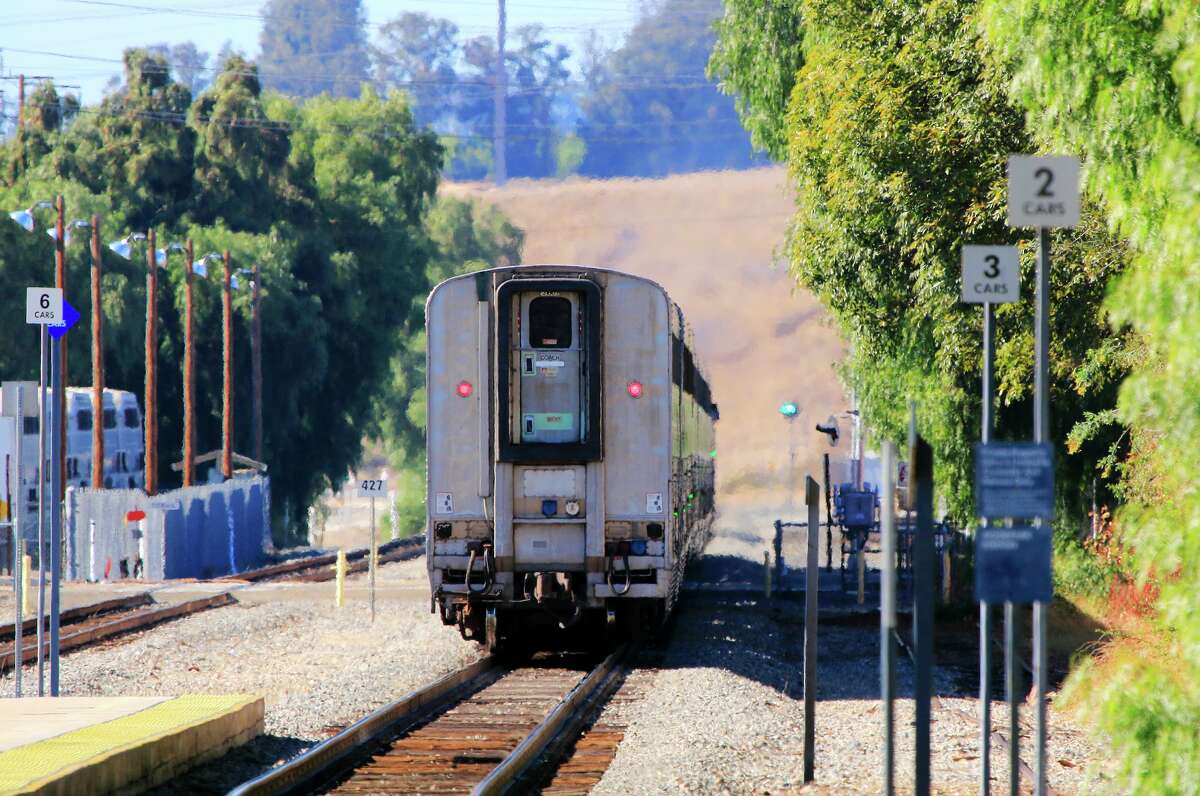
Dreamstar founder and adviser Tom Eastmond, who works as an attorney, said the service would “annihilate distance through slumber” by offering travelers an appealing journey while they sleep away the miles in private rooms. The train, not yet named, would leave at about 10 p.m. and arrive at around 8:30 a.m., largely sharing the same route that Amtrak’s Coast Starlight uses during the day.
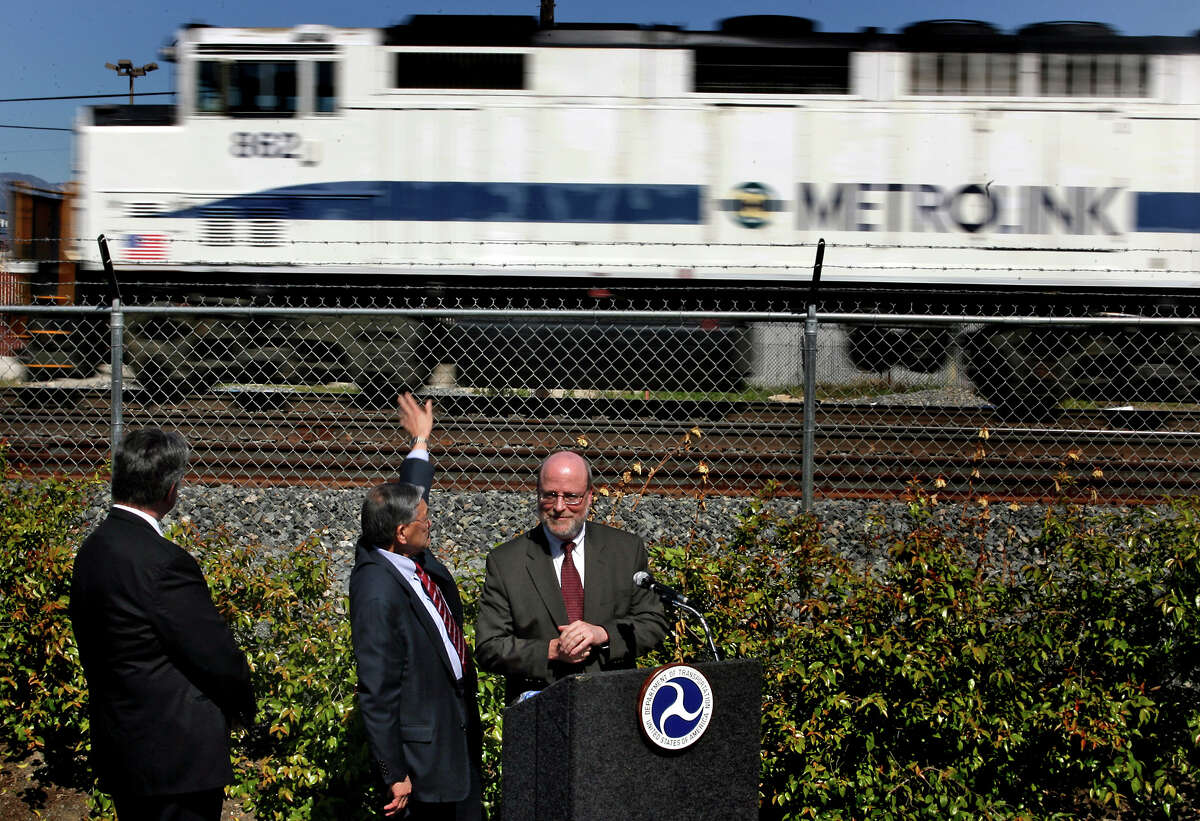
Eastmond said Dreamstar is talking with Union Pacific Railroad Co. (UP) and Southern California commuter system Metrolink, which each own or control part of the 470-mile route. UP owns most of it. Both railroads confirm the contact.
“Union Pacific is engaged in discussions with Dreamstar Lines Inc., regarding this proposal,” UP spokesperson Robynn Tysver told SFGATE.
Dreamstar representatives recently presented “high-level plans for the proposed service to Metrolink staff,” said Scott Johnson, director of communications for Metrolink. “More in-depth details and analysis would be needed for the service to move forward.”
Dreamstar would also need an agreement with the Peninsula Corridor Joint Powers Board/Caltrain, which owns the tracks from San Jose to San Francisco. Eastmond said the company intends to contact Caltrain “once we’ve gone further down the road with UP.”
Dreamstar said it has lined up two advisory board members with significant railroad operating experience.
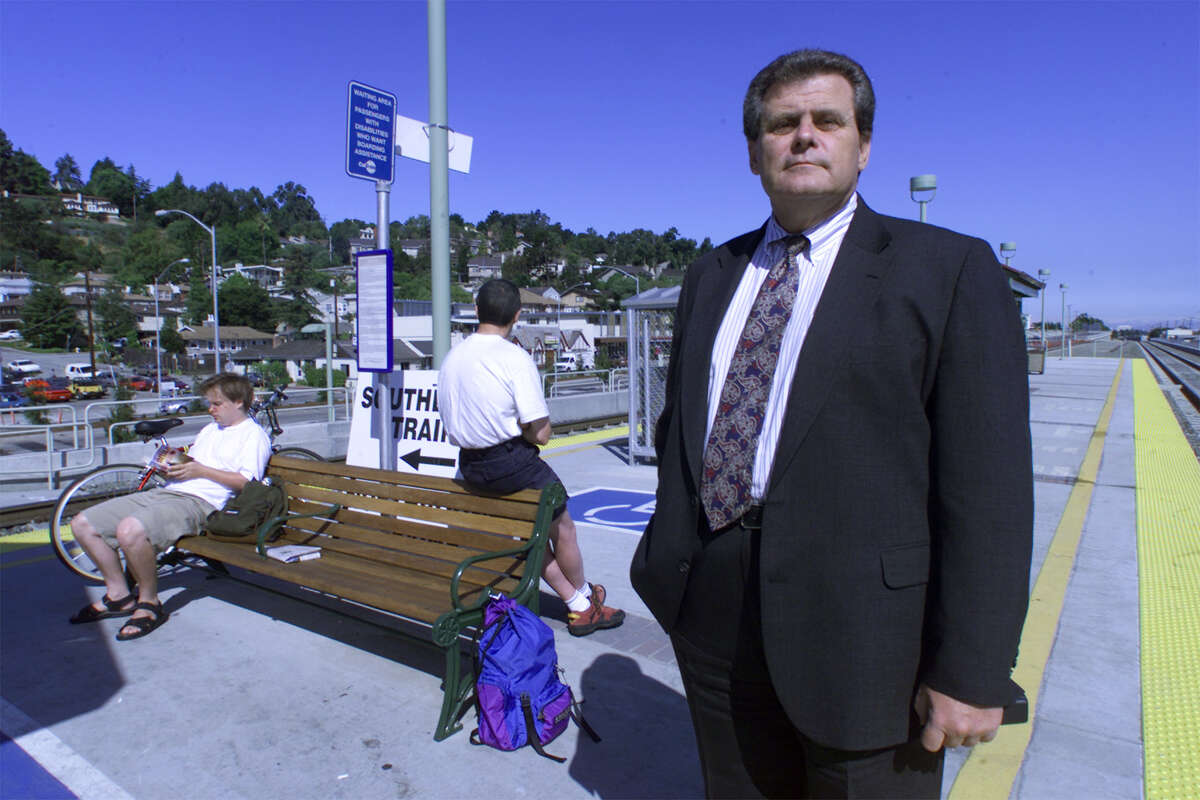
One is a familiar face in Bay Area rail transit: former Caltrain/SamTrans CEO Mike Scanlon.
Scanlon joined because he was “intrigued by the fact that you’re going to combine the transportation industry with the hospitality industry,” he said. “You’ll have a moving hotel room, for a niche audience. It could be practical, economical and a lot of fun. I think it can work.”
Evoking the Lark
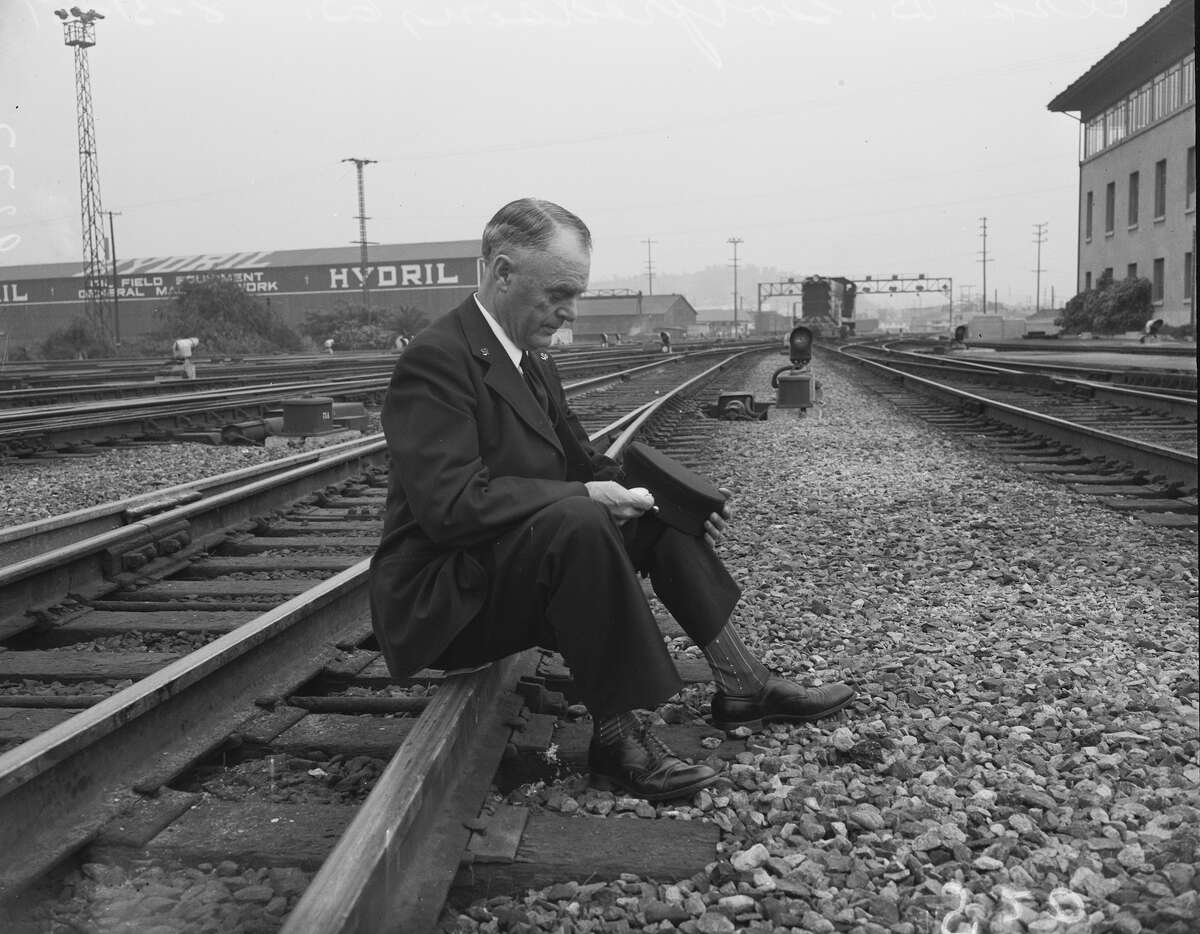
During the peak years of rail travel, the top night train between LA and San Francisco was the Southern Pacific railroad’s first-class Lark. It ran until 1968. Eastmond cited it and other classic U.S. trains as models for Dreamstar. He said Dreamstar would even like to use the Lark’s train numbers, 75 and 76.
Dreamstar wants a Streamline Moderne look, with touches of Art Deco and updated technology. Most ticket sales would be electronic, and an app could help riders arrange food and related services.
The company is negotiating with owners of classic streamliner-era railcars to equip the train, Eastmond said. The usual train would be five to six cars, all sleepers. One would include a lounge where passengers could order drinks or tavern food.
Fares would cost roughly $300, $600 and $1,000, he estimated, for a one-person roomette, two-person bedroom or premium room. The goal is to charge less than Amtrak, which sells various sleeping accommodations and coach seats on its trains at prices that vary with demand.
The train would not have a diner. Operating one is expensive, and the schedule doesn’t require meals.
“Improve mobility. That’s our objective,” said Dreamstar President Jake Vollebregt. “We have a lot of work to do, but the need is there, and we’re going to see if we can join stakeholders, both public and private, to create a partnership that’s sustainable and profitable.”
The train would stop at existing stations along the route, such as Santa Barbara, San Jose and San Luis Obispo. This would require agreements with stations’ owners, which vary by city.
Summer 2024?
Dreamstar hopes to begin service in summer 2024, Eastmond said. The company would need agreements and more funding first, and a contract with Union Pacific is key.
“In our investment pitch, we’re saying we make a decent profit with six cars,” he said. “Our model is based on about 45,000 riders per year, or 62 per train. That would be a 75% load factor.” Five dozen passengers represent less than half the capacity of a 737 jet.
As for financing, “I can say very little. We will be doing another round. Do we have money to start service tomorrow if all contracts come into place? No, we haven’t tried that yet,” Eastmond said. “We’ve looked at some of the other ventures, and we understand the dangers of being undercapitalized. So we’ll be raising some more in the future.”
Presales of tickets could also raise money, he said, plus show interest.
Dreamstar has no connection to the California high-speed rail project, nor would it be an Amtrak train. They’re different products, serving different travel audiences.
The start of Amtrak in 1971 marked the end of most privately run passenger trains in the United States. Several revivals since then have failed. One exception is Brightline, a privately owned and operated service in Florida that relies partly on related real estate development to make money. It’s developing Brightline West, another private line, between Las Vegas and Southern California.
Dreamstar would like to expand to other U.S. routes, Eastmond said.
In addition to the Coast Starlight, Amtrak runs several trains daily between the Bay Area and Bakersfield, with bus connections to LA. It has shown no interest in adding a Bay Area-LA night train.
Dreamstar would need to coordinate with Amtrak, Eastmond said, adding that he thinks Amtrak “does fairly well with the mission and resources they have” but that Dreamstar is providing a train service that distinguishes itself from Amtrak and other rail proposals.
“We’re a different kind of service than high-speed rail,” Eastmond said. “Halfway between transportation and hotel.”