The term “progressive” has been muddied and vilified in recent years, casting a shadow over the once-proud ideology that has shaped the Bay Area’s political landscape for decades.
Oct. 15, 2023 (SFChronicle.com)
Conservatives are once again successfully demonizing and devaluing a term embraced by liberals, and this time they are doing it with the help of Democrats.
Even in purportedly liberal bastions like San Francisco and Oakland, the word “progressive” is being twisted to denote radical ideas and inept leadership instead of hope and revolutionary change.
Republicans and many moderate Democrats have perpetuated a distorted narrative around progressivism, and any term associated with it. Both groups paint progressives as detached from reality, which diverts attention from their own patchy records on critical issues like public safety and housing.
This disturbing allyship has real-world repercussions, including the desertion of former progressive supporters who now fear being associated with the term.
At its root, progressivism is the belief that society as a whole may be improved via political and social reforms. It promotes a world where everyone is treated fairly and where systemic injustices are eradicated. In the Bay Area, the civil rights movement, the fight for LGBTQ rights and modern efforts to address drug addiction and homelessness are all part of progressive history.
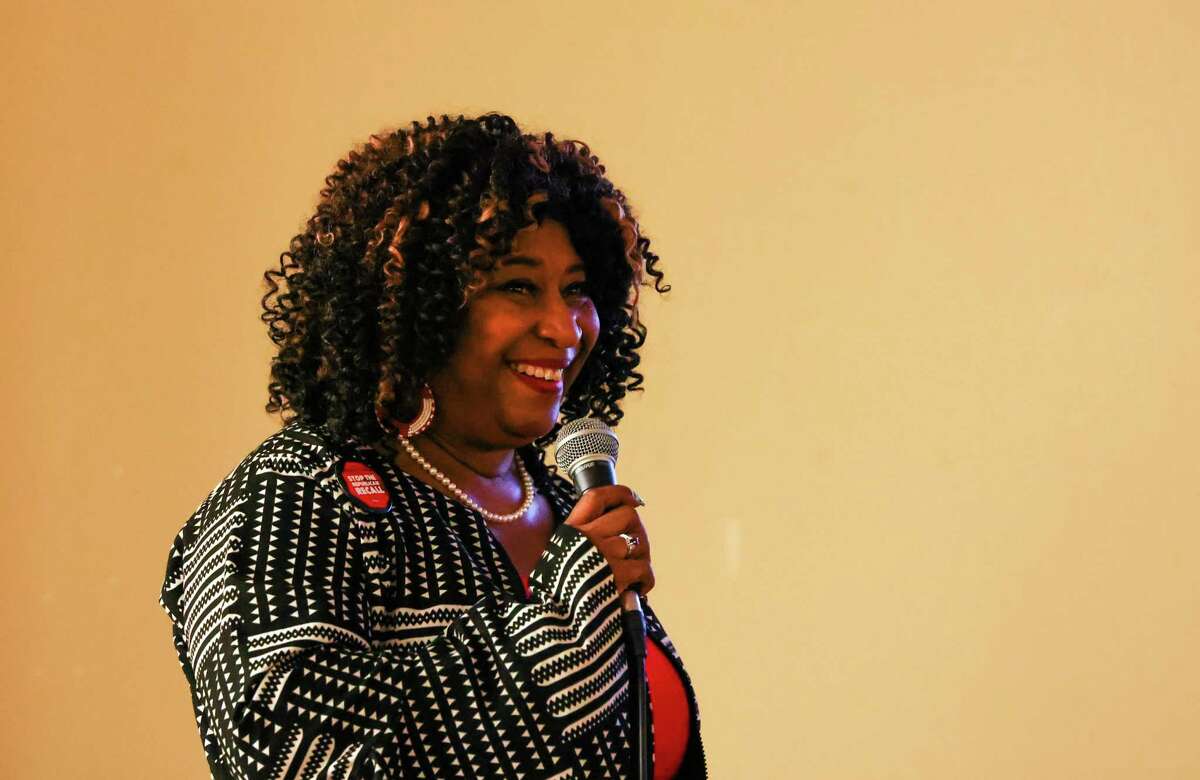
For more than 25 years, Liz Suk has worked as a nonprofit leader and grassroots organizer focused on addressing issues facing Black, brown and Indigenous people. “Progressive” became popular decades ago as a way for some on the left “to work within the constraints of the political system to pull the Democrats more to the left” and further away from the failed policies of Republicans, she told me recently.
More from Justin Phillips
- Newsom can improve California’s court system with one signature
- The Oakland NAACP has stumbled its way to irrelevance
“The word ‘progressive’ means to me we’re moving us toward a place where the harm of gentrification, displacement, capitalism, corporations holding power, developers holding power, all of these things, we’re trying to create policy that moves us away from that,” Suk said.
Unfortunately, a lot of moderate Democrats are helping Republicans spread lies about progressive values, which is a shame because the Bay Area needs those values now more than ever.
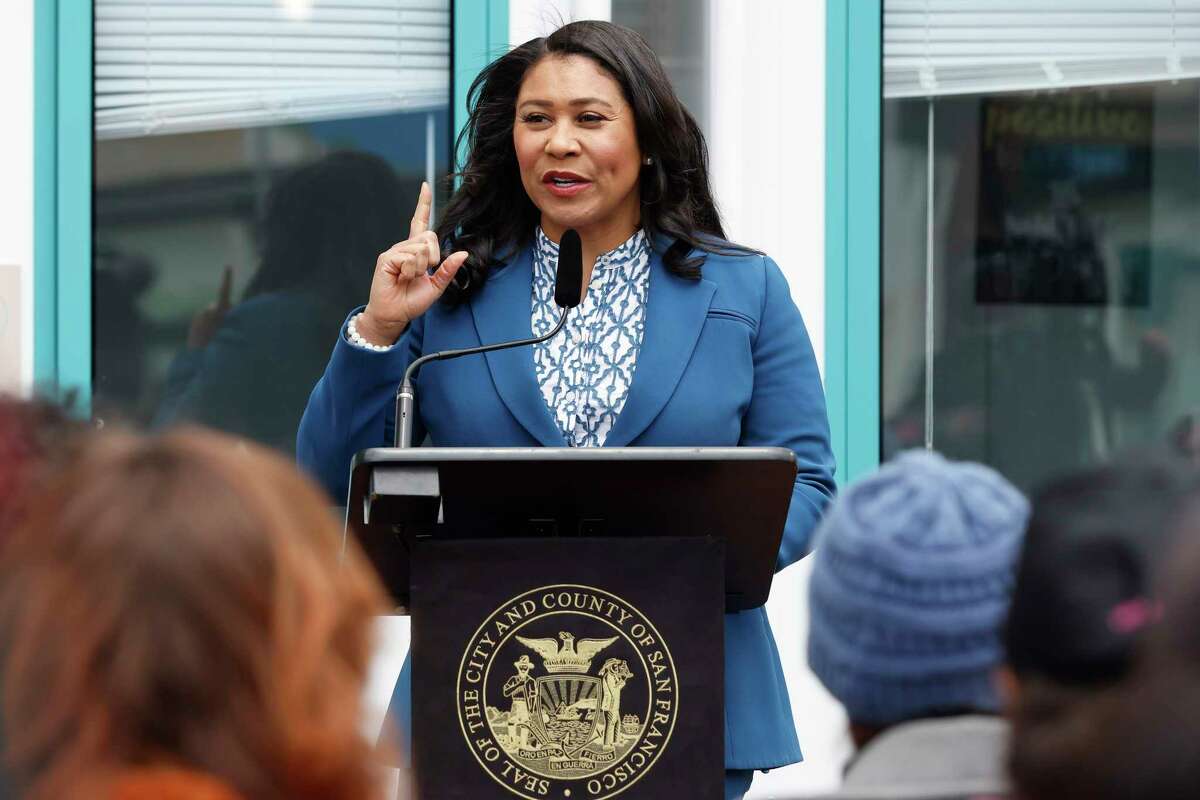
Many are blaming deeper public safety issues on progressives newly elected to office, and leading recalls against them despite their policies being too new to truly change the communities they serve. To make matters worse, moderates like San Francisco’s Mayor London Breed have described progressives as an obstacle in local politics, further poisoning the political atmosphere.
A similar thing happened to the word “woke.” Black activists originated the phrase to signify a heightened awareness of social and racial injustice; conservatives have now turned it into a derogatory term. They have redefined the word to mean being unduly sensitive or politically correct, as if advocating for social justice were a crazy cause. Recently, we’ve seen this stance against “woke” politicians being taken by the Oakland NAACP, which just goes to show the effectiveness of the right’s linguistic manipulation.
“There’s a tremendous amount of money that goes into their messaging, but it’s made to seem organic,” said San Francisco Supervisor Dean Preston, somebody who could be considered “woke” if the term’s original, positive definition is applied. “I am struck by how much money and coordination and nonstop online presence is needed by these more conservative interests to try to win political debates. … They are fundamentally trying to convince many low-income and working-class people in things that work against their interest.”
Another phrase that fell victim to right-wing manipulation is “defund the police.” This rallying cry emerged in response to police brutality and the urgent need for police reform. Yet, conservatives skillfully spun it as an attack on law and order, suggesting that those who support reallocating money toward social services are putting the safety of communities at risk. It’s a classic case of conservatives distorting the meaning of a phrase to suit their own fear-mongering agenda.
When Breed proposed redistributing $120 million in law enforcement expenditures over two years to Black areas in 2021, she was incorrectly labeled as a supporter of defunding law enforcement. In the year that followed, Breed made it clear to voters that she was a moderate by increasing spending on police and openly squabbling with progressive lawmakers on a variety of issues.
And let’s not forget the term “diversity and inclusion,” which once stood for the celebration of different cultures and perspectives. Conservatives, however, have managed to pluck this phrase from its progressive roots and turn it into something divisive. They decry it as “identity politics” or “reverse discrimination,” as if acknowledging and embracing the rich tapestry of human experience somehow threatens their own privileges and power.
In August, an Oakland elementary school received bomb threats — and racist online condemnation — for hosting a school-sponsored event specifically for students of color. It’s likely many of the racist comments were coming from people in the school’s community.
Why would moderate Democrats knowingly aid in the poisoning of terms popular in their own party?
Perhaps it is out of fear or a misguided attempt at maintaining their political standing. Conservative winds are blowing in the Bay Area and moderates fear that aligning themselves too closely with progressivism will jeopardize their chances of being in power.
Breed has a reelection campaign coming up; potential candidates for district attorney in San Francisco and Alameda County have seen how being labeled progressive can ignite recalls; and potential mayoral candidates in Oakland can see a similar anti-progressive movement growing against Mayor Sheng Thao.
Progressives share some of the responsibility for their sullied reputations, having made themselves into easy targets for ridicule. They suffer from a maddening lack of clarity about how their ideas — which are grounded in long-term, egalitarian solutions — share traits with the goals of their more moderate counterparts.
Progressives also don’t seem to be very good at handling criticism, tending to dismiss it as evidence of a deeper injustice rather than what it sometimes is: constructive feedback from people who genuinely want to feel that their concerns about policy decisions are being taken seriously by elected leaders.
Progressives should keep in mind that two things can be true: Voters can oppose their proposals for legitimate reasons or for much more sinister ones. Understanding the difference and responding appropriately is critical.
So is reclaiming the terms related to progressivism and rehabilitating their true meaning. This is challenging but not impossible. Progressives should aggressively rebut conservative distortions of their work, and articulate their genuine intentions.
The Republicans, and the moderate Democrats who naively carry their water, want to lead California down a dangerously regressive path. The first step to stopping them is to reclaim the terms progressives once popularized, and remind people of their true meaning.
Reach Justin Phillips: jphillips@sfchronicle.com
Written By Justin Phillips
Justin Phillips joined The San Francisco Chronicle in November 2016 as a food writer. He previously served as the City, Industry, and Gaming reporter for the American Press in Lake Charles, Louisiana. In 2019, Justin also began writing a weekly column for The Chronicle’s Datebook section that focused on Black culture in the Bay Area. In 2020, Justin helped launch Extra Spicy, a food and culture podcast he co-hosts with restaurant critic Soleil Ho. Following its first season, the podcast was named one of the best podcasts in America by the Atlantic. In February, Justin left the food team to become a full-time columnist for The Chronicle. His columns focus on race and inequality in the Bay Area, while also placing a spotlight on the experiences of marginalized communities in the region.
 ©2023 Hearst Communications, Inc.