“Gaza fuels our moral clarity, our political will, and our sense of responsibility to act with integrity, with vigilance, and with organized discipline.”
— Loubna Qutami from the Palestinian Feminist Collective at the second annual People’s Conference for Palestine.
It was inspiring to see so many people gathering together for Gaza at the second annual People’s Conference for Palestine. Coming out of a weekend filled with revolutionary optimism and shared responsibility, we face the difficult reality that we are privileged enough to talk about the suffering around the world from thousands of miles away, while there are real people living through it in real time.
We must always remember that we ourselves live on stolen land, in a country complicit in carrying out and sustaining genocide. Even our civilian infrastructure is being used to ship off weapons to kill Palestinians in Gaza. For example, we learned at the conference that the Oakland International Airport has been involved in at least 280 shipments of military cargo to Israel since January 2025.*
With those same weapons, Israel killed the prime minister of Yemen in a futile attempt to stifle dissent. Such losses have never dejected the popular struggle — leaders come and go, but the principle of rejecting anti-colonialism has and will always remain at the heart of resilience in the region.
It’s obvious that Israel and the U.S. are scrambling. Surely, they thought that the world would have forgotten Palestine after two years of non-stop genocide, but the people are not so naive. They could see right through the actions of President Trump, when he recently suspended all U.S. visas for Palestinians passport holders and barred the Palestinian Authority from attending the United Nations General Assembly — where several countries are expected to recognize Palestine as a state. It is apparent to the world that this is an act of fascistic power aimed at upholding Zionism — and in the same vein, allowing our civilian airports to be used as transport hubs for war is a reprehensible example of Israeli and U.S. solidarity.
Clearly the U.S.-Israel war machine is crumbling, because for the first time in history, more countries than ever are recognizing Palestine as a state, and some are even sanctioning Israel, like Belgium. It is unusual to witness western countries taking stances that oppose one another when it comes to the Middle East, but we aren’t living in a normal timeline. What is happening in Gaza is far from normal, and the world must unite to stop the bloodshed and forced starvation.
In response to the growing public outcry, Benjamin Netanyahu has called for a meeting with the Israeli parliament this week to discuss annexing more land in the West Bank. I think we have all seen by now that the harder Israel pushes its genocidal agenda, the more people around the world wake up. This is Israel’s repeated mistake.
Another lesson I took away from the conference this year is that the resilience of the Palestinian people is truly like no other. As a Palestinian myself, I already knew this, but it’s different to hear first-hand accounts from people who have been to Gaza. For example, we heard Dr. Mohammad Mustafa talk about his experience as an emergency physician who has been on medical missions to Gaza twice since the genocide began. He mentioned a nine-year-old girl who had arrived at his hospital holding her younger brother limp in her arms.
She told him that Israel had just bombed her home and killed her entire family. She and her brother were the only two remaining, but he was unconscious and badly hurt. Even though she herself was injured and traumatized, and had no parents or older family members, she had the courage to gather her brother in her arms and walk barefoot for miles in the dark to get him to the hospital. She walked all by herself with the sounds of drones above her, and the reality that her home and entire family had just been destroyed.
If a nine-year-old girl can face unimaginable odds with such courage for the people and land she loves, then we have no excuse. We must give everything we can to the struggle we claim to love—nothing less is worthy of her sacrifice. It is our responsibility to mirror the resilience that the people of Palestine have shown the world. With the Global Sumud Flotilla recently starting its journey towards Gaza, and thousands of dockworkers threatening mass strikes if Europe blocks them, the people are moving forward valiantly and diligently to end this genocide.
Israel can annex land, bomb homes, and martyr thousands, but the struggle will never be lost. Our hopes and values remain, and we will continue to fight until every nine-year-old girl in Palestine is able to live a normal and happy childhood.
“Drug trafficking is a crime, not an act of war,” noted one critic. “Traffickers must be arrested, not summarily executed.”
BY BRETT WILKINS SEPTEMBER 4, 2025 (therealnews.com)
Screenshot from a video posted on social media by President Donald Trump, showing a boat that was allegedly transporting cocaine off the coast of Venezuela when it was destroyed by US forces on September 2, 2025. Photo: President Donald Trump/Truth Social
Get fearless, uncompromising truth in your inbox. Subscribe to The Real News.SIGN UP
This story originally appeared in Common Dreams on Sep. 03, 2025. It is shared here under a Creative Commons (CC BY-NC-ND 3.0) license.
Legal and human rights experts said that Tuesday’s deadly US attack on a boat the Trump administration claimed was transporting cocaine off the coast of Venezuela violated international law.
“Drug trafficking is a crime, not an act of war,” former Human Rights Watch director Kenneth Roth said on social media following the strike, which US President Donald Trumpsaid killed 11 people. “Traffickers must be arrested, not summarily executed, which US forces just illegally did.”
“Trump admits he ordered a summary execution—the crime of murder,” Roth added. “Drug traffickers are not combatants who can be shot on sight. They are criminal suspects who must be arrested and prosecuted.”
Michael Becker, an associate professor of international law at Trinity College, Dublin in Ireland, told the BBC Wednesday that the Trump administration’s designation of the Venezuela-based Tren de Aragua and other drug trafficking groups as terrorist organizations “stretches the meaning of the term beyond its breaking point.”
“The fact that US officials describe the individuals killed by the US strike as narcoterrorists does not transform them into lawful military targets,” Becker said. “The US is not engaged in an armed conflict with Venezuela or the Tren de Aragua criminal organization.”
“Not only does the strike appear to have violated the prohibition on the use of force, it also runs afoul of the right to life under international human rights law,” Becker added.
Luke Moffett, a professor of international law at Queens University Belfast in Northern Ireland, told the BBC that while “force can be used to stop a boat,” this should generally be accomplished using “nonlethal measures.”
Such action, said Moffett, must be “reasonable and necessary in self-defense where there is immediate threat of serious injury or loss of life to enforcement officials,” and the US attack was likely “unlawful under the law of the sea.”
“It reflects the worst of US militarism—secretive, unilateral, and contemptuous of due process, human rights, and the rule of law.”
The peace group CodePink said Wednesday that “even if Washington’s claims are accurate, drug trafficking does not justify a death sentence delivered by missile.”
“International law is clear: The use of force is only lawful in self-defense or with explicit UN Security Council authorization,” the group continued. “This strike had neither. It reflects the worst of US militarism—secretive, unilateral, and contemptuous of due process, human rights, and the rule of law.”
“Under US law, it’s equally indefensible,” CodePink argued. “The Constitution gives Congress, not the president, the power to authorize war. Unilateral action may only be used in emergencies or self-defense, and this strike meets neither.”
CodePink continued:
With the US Southern Command assets already deployed in the region, why blow up a vessel instead of capturing and interrogating the crew? If the goal were really to uncover evidence of [Venezuelan President Nicolás] Maduro’s alleged involvement, this reckless approach raises only two possibilities: Either the narrative is fabricated and Washington used it as a pretext for a deadly show of force or it’s real, and the US chose extrajudicial killing over law, evidence, and humanity.
CodePink called on Congressional Progressive Caucus Chair Greg Casar (D-Texas) “to lead the fight in Congress to stop this escalation,” urging him to “introduce legislation to block unauthorized military force, hold hearings to expose the dangers of border militarization, insist on transparency of all relevant directives, and rally Congress to cut off funding for these reckless operations.”
Tuesday’s attack came amid Trump’s deployment of an armada of naval warships off the coast of Venezuela, whose socialist government has long endured US threats of regime change—and sometimes more.
Infused with the notion that it has the right to meddle anywhere in the hemisphere under the Monroe Doctrine, the US has attacked, invaded, occupied, and otherwise intervened in Latin American and Caribbean nations well over 100 times since the dubious declaration was issued by President James Monroe in 1823.
Since the late 19th century, oil-rich Venezuela has seen US interventions including involvement in border disputes, help with military coups, support for dictators, and attempts to subvert the Bolivarian Revolution—including by officially recognizing opposition figures claiming to be the legitimate presidents of the country.
Critics of US imperialism highlighted Washington’s hypocritical policies and practices toward Venezuela.
“Venezuela produces no cocaine, but US warships patrol its coastline under the banner of a ‘drug war,’” New Hampshire Peace Action organizing director Michael “Lefty” Morrill wrote Wednesday.
Meanwhile, neighboring Colombia and nearby Peru—the world’s two leading cocaine producers—get no such treatment. Nor does Ecuador, which has emerged as one of the world’s leading trafficking hubs.
Morrill also briefly explored bits of the long US history of supporting narcotraffickers when strategically expedient, noting that former Panamanian President Manuel Noriega “was first a CIA asset, then branded a narco-dictator and dragged to a US prison.”
“The Taliban was once a strategic partner in Afghanistan’s opium trade, before being cast as the world’s largest trafficker,” he added. “‘Drugs’ are not simply powders; they are pretexts, shaped to fit the contours of empire.”
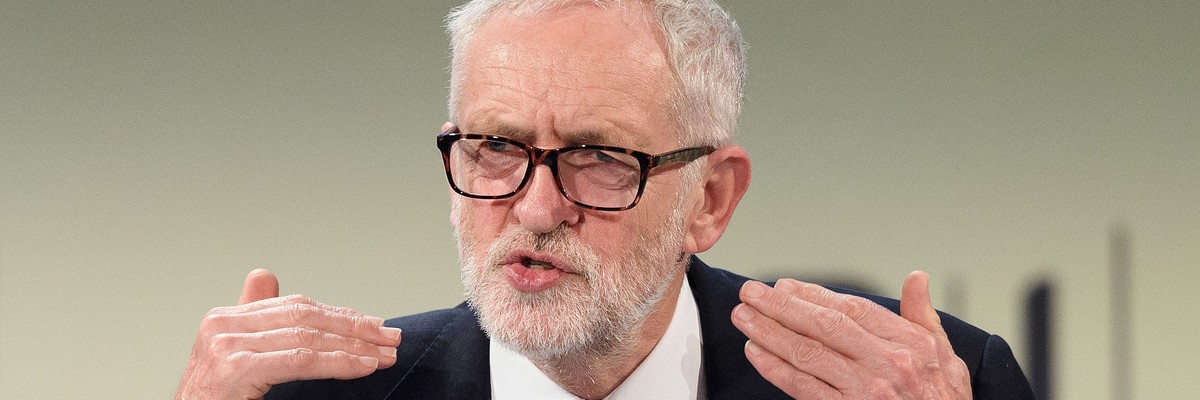
A tribunal led by former Labour Party Leader Jeremy Corbyn on Thursday accused the UK of being complicit in Israel-committed atrocities in Gaza.
As reported by Al Jazeera, Corbyn led an unofficial inquiry into how the UK government’s support of Israel has aided the country in carrying out war crimes in Gaza in a conflict that so far has killed more than 60,000 Palestinians.
The tribunal heard from Nick Maynard, a British doctor who has treated wounded civilians in Gaza’s Nasser Hospital, and who described seeing teenage boys who appeared to have been deliberately shot in the genitals by Israeli soldiers.
“The pattern of the targeting of specific body parts was something we all recognized,” said Maynard, who described such actions “as target practice by the Israeli soldiers.”
Maynard also described his attempts to treat a 7-month-old baby in the hospital who eventually died of malnutrition.
“You could see every rib, every bone in her body,” he said. “She was being fed with water mixed with sugar. We had completely run out of formula feed.”
Per Middle East Eye, the inquiry also featured testimony from Francesca Albanese, the UN special rapporteur on occupied Palestine, who said that the UK and other Western nations deserved condemnation for continuing to supply weapons and resources to Israel even as its actions have created a famine inside of Gaza.
“States, including the United Kingdom, have been on notice for decades of their legal obligations,” she told the panel. “This failure to abide by long-standing international obligations might be sufficient to establish a criminal case for complicity in the actions of Israel.”
Corbyn, who is leading the panel alongside Queen Mary College professor of human rights law Neve Gordon and University of Kent lecturer on international law Shahd Hammouri, likened the UK government’s current actions to actions it took under former Prime Minister Tony Blair during the Iraq War.
“Just like Iraq, the government is doing everything it can to protect itself from scrutiny,” said Corbyn. “Just like Iraq, it will not succeed in its attempts to suffocate the truth. We will uncover the full scale of British complicity in genocide—and we will bring about justice for the people of Palestine.”
Our work is licensed under Creative Commons (CC BY-NC-ND 3.0). Feel free to republish and share widely.
Mayor of Oakland Barbara poses for a portrait inside the City of Oakland Office of the Mayor on Wednesday, Aug. 27, 2025. Credit: Estefany Gonzalez for The Oaklandside
Help us tell the Oakland stories that matter to you and your fellow Oaklanders.
Listen wherever you get your podcasts, like Apple and Spotify.
Never miss a story.Sign up for The Oaklandside’s free daily newsletter.Email
Mayor Barbara Lee just hit her first 100 days in office, facing enormous expectations from residents who want immediate solutions to crime, illegal dumping, homelessness, and Oakland’s budget crisis. She also has to navigate federal threats from President Trump while working to heal a deeply divided city—and she has just 16 months left in her term.
Host Tasneem Raja talks with City Hall reporters Eli Wolfe and Natalie Orenstein about their extensive interview with Mayor Lee. They discuss:
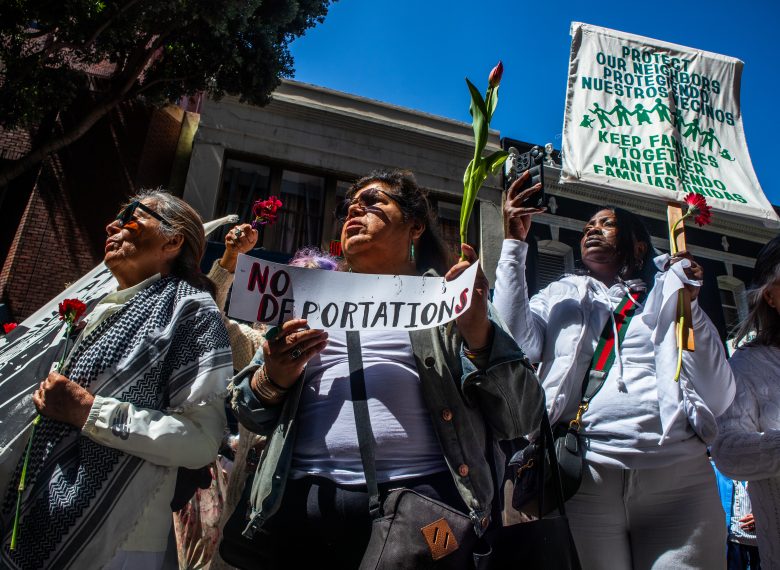
Protestors hold signs reading “No deportations” and “Protect our neighbors, Keep families together” at an interfaith prayer vigil on Aug. 26, 2025. The vigil took place in front of the immigration court building at 630 Sansome St. Photo by Mariana Garcia.
Help Mission Local cover ICE
We’ve been covering immigration enforcement intensely under Trump. Now, we’re seeking $300,000 — $100,000 a year for the rest of Trump’s term — to hire a full-time immigrationreporter.
Three individuals were arrested following their immigration court hearings on Friday morning in downtown San Francisco.
Two young men, one from Colombia and the other from Peru, were arrested following a motion to dismiss their cases, a tactic used by the Department of Homeland Security attorneys to fast-track deportations. Even if the judge rejects the motion, immigrants are still arrested. The third, a Colombian man, asked Judge Joseph Park to let him self-deport. He was granted a “voluntary departure” order, but ICE arrested him anyway.
The first man who was detained, a 26-year-old from Colombia, had driven from Illinois to California two days before his hearing. He has been in the United States for a year and a half, originally residing in San Jose before moving to Illinois, where he worked as a graphic designer. He had filed an application for asylum in December 2024.
Want the latest on the Mission and San Francisco? Sign up for our free daily newsletter below.Sign up
The Department of Homeland Security attorney motioned to dismiss his case, citing a “change of circumstance.” Park did not grant the motion.
When the man returned to the courtroom benches, attorney of the day Brittney Rezaei gathered the emergency contact information of a friend who had driven him to court that morning, and informed him what would happen on exiting the courtroom. Sure enough, four ICE agents were waiting on the other side of the door. They promptly arrested him.
Outside of the court building, the man’s friend, an older woman from Colombia, was waiting for him to return. She has known the man since he was a young boy and had driven him to his hearing from her home in Salinas earlier that morning. With tears in her eyes, she asked in Spanish, “Why is this happening?”
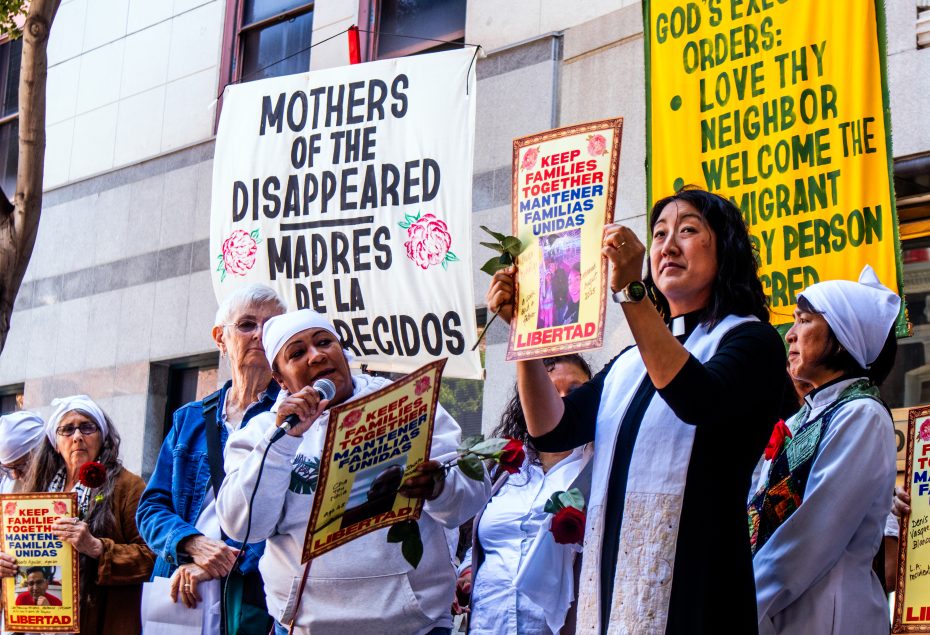
Protesters hold signs that read, “Keep families together” at an interfaith prayer vigil on Aug. 26, 2025. The vigil, organized by mothers, grandmothers, and godmothers of deported loved ones, was held in front of the immigration court at 630 Sansome St. Photo by Mariana Garcia.
Following his arrest, two men were called before the judge in a group removal proceeding. One was an older man from Colombia, the other was a 21-year-old from Peru. They did not know each other.
When Park asked the Colombian if he was fearful of returning to his home country, the man desperately looked back at Rezaei in the audience, as if to see how he should answer. He hesitated and then responded no. The DHS attorney signaled a motion to dismiss the man’s case, citing that the man did not fear returning to his home country.
The man then made a comment to Judge Park, saying that he had already booked a flight back to Colombia in December out of fear that he would be involuntarily deported. Park asked the man if he would like to be granted a “voluntary departure” order. Yes, he said. Park granted the order, giving the man until Jan. 5, 2026 to return to Colombia.
After this, the DHS attorney signaled a motion to dismiss the young Peruvian man’s case. Once again, Park did not approve the motion.
The two men then met with two so-called attorneys-of-the-day who provide free legal counsel. They huddled with the lawyers in the back of the courtroom, calling loved ones and informing them that they were about to be detained. “I don’t want to be deported, I don’t want to be held in a cell,” said the older Colombian man. Despite his official voluntary departure order, ICE agents arrested both him and the Peruvian man in the hallway outside the courtroom.
The attorneys they spoke with in court were already in contact with their offices where people were actively working on filing habeas corpus petitions for all three individuals. Such filings challenge the detentions and have been effective in getting those detained released.
Although several families and individuals were scheduled to appear in court Friday morning, a number did not show up. In addition to avoiding ICE, this may have been the result of systemwide BART delays across the entire region.
3. Contact the California Assembly Appropriations Committee TODAY. Tell them: do not move this bill forward. Don’t let a secret meeting decide the fate of free speech in America.
Sec. Marco Rubio has invoked an insidious provision of the Immigration and Nationality Act (INA) to arrest and attempt to deport legal, noncitizen residents of the U.S. simply for exercising their right to free expression.
PETITONS of September Scheduled Executions click on the name to sign
We do not consent to Trump and his billionaire allies taking a chainsaw to our government and our economy for their benefit! San Francisco is a sanctuary city and We the People need to defend the values that make it so. Let’s stand united and oppose the endless assaults on our communities, our civil rights, the rule of law, and our democracy.
Keep democracy alive every Saturday by showing up, taking a stand, and sticking together for the long haul. Standing together is better than standing alone. Let’s get together and call out the Trump/MAGA regime as a community. Plus, it’s fun! Think of it as our democracy corner—a place for you to voice your opinion, hang out with like-minded fellow protesters, and experience a cathartic moment together.
What you can do: –If you’ve got signs, flags, cardboard cutouts, or any protest visuals you want to make, bring ’em! We also have spare signs to lend. –If you have whistles, drums, cowbells, or other noisemakers, bring ’em! –Musicians are welcome and encouraged. Sing the song of democracy! –Many of our regular protesters are part of local activist groups who are happy to chat with anyone who wants to pair their indignation with direct action beyond street protest.
2. Saturday, 2:00pm – 4:00pm How Do We Fight MAGA?
In person
The Starry Plough Pub 3101 Shattuck Avenue Berkeley
For online: register in advance at https://bit.ly/SSS-FightingMAGA to receive your personal link to participate in this event online
MAGA – Make America Great Again – is anything but that. It is an attempt to subvert whatever democratic rights we have, amplify the racism that already exists, persecute and expel our fellow workers who may not have the appropriate documents (and many who do) and make young people a lot more ignorant and anyone with a uterus a lot more pregnant. Our speakers will describe various movements to defend the rights of workers, immigrants, and all of us from the increasing attacks by the current U.S. regime.
Speakers are: Kathryn Durham-Hammer – Indivisible Resisters – Contra Costa County Bill Balderston – Alameda County Central Labor Council delegate Renée C – Organizer with Party for Socialism and Liberation, Attorney Frank Running Horse – Diablo Valley Resistance, Founding member of Teamsters for a Democratic Union
3. Saturday, 6:00pm – 8:00pm, Film Series: No Other Land, Best Documentary, Oscars 2025
Revolution Books (Berkeley) 2444 Durant Ave Berkeley
Any donations raised at this event will go to support the communities of Masafer Yatta, where the documentary was filmed. They are still under attack and the daily violence against the people continues.
On March 2, the documentary film No Other Land won Best Documentary at the 2025 Oscars.
We are showing this film because it brings to life in a gripping and unflinching way what is largely censored in the US: the violent, escalating attacks and land grabs by Israeli settlers against Palestinians in the occupied West Bank.
The US is the principal backer and imperialist sponsor of the Israeli genocide against the Palestinian people, and this is now even more vicious with Trump. Despite winning an Oscar, no US distributor has picked up this film – keeping the true horror of what is taking place in Palestine covered up inside this country.
On March 24, a mob of masked Israeli settlers, armed with batons, knives and assault rifles, along with Israeli soldiers, carried out a vicious attack against Hamdan Ballal, one of the film’s co-directors. Ballal screamed, “I’m dying,” as he was being ruthlessly beaten and bleeding badly, as Israeli soldiers stood by. “It was a revenge for our movie,” he said. The film focused on the very area the attack on him took place in—the village of Susya in the Masafer Yatta region where he lives.
Odeh Hathalin, aka Awdah Hathaleen, a Palestinian activist who was a consultant on No Other Land, was recently shot and killed by an Israeli settler in the occupied West Bank.
9:00am – In person coffee, breakfast available for nominal fee
9:30am – Program begins in person & online
San Francisco is facing deepening crises, with rising rents, increasing income inequality, large-scale displacement, and criminalization of homelessness. Our political leadership has been mostly silent on the erosion of civil liberties, ICE kidnappings, and, in many cases, has mirrored the cruel policies of the Trump administration. Meanwhile, in New York City, Assemblymember Zohran Mamdani defeated Andrew Cuomo in an historic win, running on a bold socialist platform that centered tenants’ rights and policies that benefited the everyday New Yorker, while standing firm on Palestinian human rights in the face of a hostile media landscape. His victory is a challenge to corporate Democrats everywhere by showing that unapologetically left policies can break through. What lessons can San Francisco take from this victory? How can San Francisco better live up to our progressive, humanist values?
Dean Preston is a statewide housing advocate, tenants rights attorney, and member of the Democratic Socialists of America. He served as the elected representative of District 5 on the San Francisco Board of Supervisors from 2019-2025.
A super-majority of the world’s nations already support Palestine. Using a little known process – Uniting for Peace – our UN representatives have the numbers and the power to override the US veto to:
– Send a multinational protection force to Palestine providing food & medicine, ending the blockade, protecting civilians.
– Implement sanctions & a military embargo on Israel.
– Withdraw Israel’s UN credentials, establish a war crimes tribunal & more.
September 18 marks a one-year deadline set by the UN General Assembly for Israel to comply with the World Court and the UN – or face concrete measures like those listed above. The UN could vote as soon as Sept 18. If we press governments/UN reps that supported Palestine in the past to hold the line for Palestine, we can pass a measure with real teeth to end genocide.
Join the webinar to help launch this global movement, with Craig Mokhiber (International human rights attorney), Dr. Jeffrey Sachs (economist, academic) Roger Waters (musician), Miko Peled (author, advocate), Medea Benjamin (CodePink), Susan Abulhawa (novelist), Ali Abunimah (journalist, Electronic Intifada), Imam Omar Suleiman (scholar & community leader), Rev. Munther Isaac (Bethlehem pastor), Jill Stein (2024 Green Party presidential candidate)
Join us to mobilize civil society worldwide & compel our governments/UN reps to use the supermajority power we ALREADY have to end the genocide now. Together we are the Lifeline For Palestine
Signs and chants will be provided. Bring your energy and tambourines!
Israel’s genocide machine couldn’t run without power from Chevron. Israel’s war on Gaza and Occupation of Palestine contributes to the climate catastrophe. Chevron supplies light and energy via its operation and co-ownership of two major Israeli-claimed fossil gas fields in the Mediterranean.
Chevron’s extraction activities are funneling millions of dollars in tax revenues to Israeli government coffers, directly fueling Israel’s system of settler colonialism and violence against all Palestinians. In 2022, those revenues amounted to over $462 million. BDS is a global nonviolent Palestinian led movement, and we demand that Chevron immediately cut its contracts with genocidal Israel, and end its role in climate devastation globally.
Following in the tradition of the anti-apartheid gas station boycotts of the 60s & 70s, Palestinians and allies are building a global movement to hold Chevron accountable for its crimes through a coordinated boycott of Chevron gas stations and products around the world.
This workshop is co-sponsored by Friends of La Peña Immigrant Rights Committee, Kehilla Community Synagogue Immigrant Committee and Indivisible East Bay
8. Monday, 7:00am – 7:00pm, Picket Line for Kaiser Nurses’ 1-Day Strike!
Kaiser Oakland 3600 Broadway Oakland
The Kaiser Northern California Certified Nurse-Midwives (CNMs) are organizing. We know that increased integration of midwives in a health system is good for all birthing people. We know that midwife-led care in well integrated health systems increases patient satisfaction and improves outcomes. We know our physician and nursing colleagues recognize the benefit of midwifery care.
We’ve been negotiating for over a year and Kaiser recently proposed absolutely absurd numbers for a salary range, less than we currently make, less than our RN colleagues and far less than our NP colleagues. For context: CNMs, like NP’s, have at minimum a Master in nursing. They also suggested cuts in our benefits!
It is, of course, more than about pay. We know that when we see truly collaborative practice between midwives, physicians, RNs, and all members of the healthcare team, we see improvements in care, better patient outcomes, and improved satisfaction. Despite this, Kaiser management has outright rejected our proposals to have CNM leads to ensure that midwives are able to collaborate with our physician and nursing colleagues to determine how care is delivered within Kaiser.
Both the Kaiser Midwives and Certified Registered Nurse Anesthetist (CRNAs) are planning to hold a 1 day strike on 9/8. We will be striking at Kaiser Oakland and Kaiser Roseville and will be joined on the picket line by other Kaiser Workers (RNs, PAs and operating engineers) who are organizing sympathy strikes in solidarity with us!
Demand CA Say NO to Censorship and Whitewashing Genocide!
AB 715, a bill that censors educators across the state, is being pushed through the California State Legislature despite widespread opposition from nearly every major educators’ association and union. In one of the most undemocratic processes we have seen, legislative leadership is caving to right-wing and Israel lobby pressure, and has waived every major rule and deadline to advance this dangerous bill before the legislature closes next week. We need your help to demand that legislators REJECT AB 715!
11. Tuesday, 8:00am – 4:30pm, ICE out of San Francisco courts!
SF ICE Court 100 Montgomery St. SF
Nr. Montgomery St. BART
Defend Community; Stop The Abductions
Every Tuesday, Wednesday & Friday
Since late May, ICE has arrested 60+ immigrants at the San Francisco Immigration Courts at 630 Sansome St. (from Mission Local)
Does this sound like a ‘sanctuary city’?
In January 2025 Mayor Lurie, the SF Board of Supervisors and many non-profits held a press conference at City Hall in support of SF Sanctuary – where are they now? Why haven’t they condemned ICE actions and presence in SF??
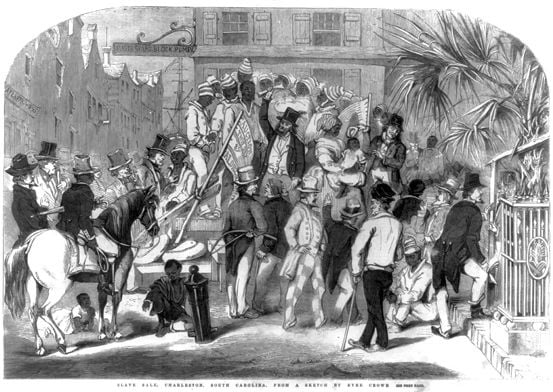
A woodcut of a slave sale in Charleston (postandcourier.com)
Google AI Overview
In the Old South, “slave rentals” were part of the “hiring out” system, a common and profitable economic practice in which enslavers leased out enslaved people to others for a fixed period
. This system expanded the reach of slavery beyond traditional plantation owners, involving a wide range of white people in the institution.
The process and economics of hiring out
The transaction. Owners would rent out enslaved men, women, and children for a specific fee and period, typically for a year, though shorter terms were also common. The enslaver would receive payment, while the hirer gained temporary control over the enslaved person’s labor.
Diverse hirers. People who did not own slaves, including farmers, urban businesses, widows, and artisans, frequently rented enslaved labor. Institutions like colleges and railroad companies also hired enslaved workers to fill positions.
Motivations for owners. Renting out enslaved people was a key strategy for enslavers to generate income, especially for those with “excess” hands. The practice was a significant component of the domestic slave trade, particularly as prices for enslaved people fluctuated. In some cases, owners would even rent out pregnant or nursing women at nominal fees to avoid the expense of caring for “unproductive” workers.
Advertisements. Hiring out was widely advertised in newspapers alongside notices for slaves for sale or for runaways. These advertisements helped connect owners with those in need of temporary labor.
Experiences of hired-out enslaved people
Increased autonomy (and its limits). For some enslaved people, particularly skilled urban workers, the hiring-out system, especially a variation called “self-hire,” offered a limited form of independence. A self-hired slave might be able to find their own employer and housing, negotiate the terms of their labor, and manage a stipend for their living expenses.
New vulnerabilities. Despite potential opportunities, the system placed enslaved people in a precarious position. When hired out, they were separated from their families and communities and had to endure new living and working conditions under a temporary master who had little investment in their long-term health. As a result, hired slaves were at increased risk of abuse and neglect.
Expanded networks. Being hired out, particularly in urban settings, allowed enslaved people to develop wider social networks, learn new trades, and gain knowledge of the local landscape. This increased mobility also provided more opportunities for literacy and escape.
Resistance. Enslaved workers resisted the hiring system in various ways. Sometimes, resistance was overt, as when enslaved people at South Carolina College went on “strike” to protest a decrease in their labor force. In other cases, they were able to negotiate with owners and hirers to influence the terms of their work.
Impact on the institution of slavery
Reinforced slavery. The hiring-out system made slavery accessible to a wider demographic of white Americans who couldn’t afford to purchase enslaved people outright. By involving more people in the economics of human bondage, the system strengthened the institution’s foothold in Southern society and reduced class differences among white people.
The paradox of autonomy. The system’s allowance of limited mobility and negotiation for some enslaved people created a paradox for slaveholders. While they benefited from the revenue, they also feared that the relative autonomy could undermine the strict controls of the system and encourage resistance or escape.
Perpetuated after the Civil War. Following the Civil War, many of the exploitative practices of the hiring-out system were mirrored in the convict leasing system, where formerly enslaved and other Black individuals were leased out for labor as a form of punishment for crimes.
Google is in the middle of a six-month, $45 million contract to amplify propaganda with Netanyahu’s office. The contract describes Google as a “key entity” supporting the prime minister’s messaging.
We have a commitment to ensuring that our journalism is not locked behind a paywall. But the only way we can sustain this is through the voluntary support of our community of readers. If you are a free subscriber and you support our work, please consider upgrading to a paid subscription or gifting one to a friend or family member. You can also make a 501(c)(3) tax-deductible donation to support our work. If you do not have the means to support our work financially, you can do your part by sharing our work on social media and by forwarding this email to your network of contacts.Subscribe
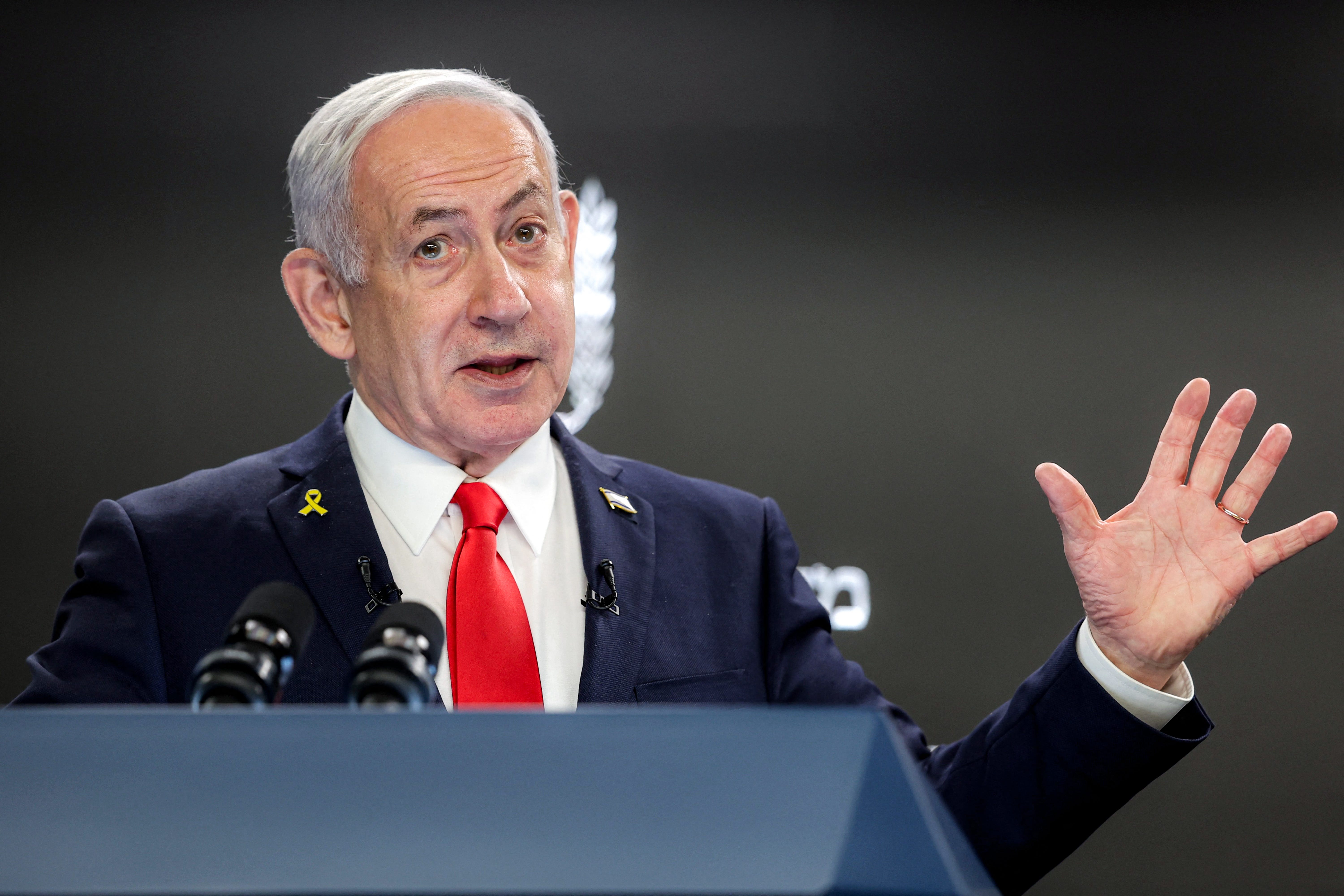
Israel’s Prime Minister Benjamin Netanyahu gives a press conference at the Prime minister’s office in Jerusalem on August 10, 2025. Photo by ABIR SULTAN/POOL/AFP via Getty Images.
On March 2, 2025, hours after the Israeli government announced the blockade of all food, medicine, fuel, and other humanitarian supplies from entering Gaza, lawmakers in Jerusalem demanded answers—not on the devastating human toll of such a decision, but on how Prime Minister Benjamin Netanyahu’s office was preparing to handle the public relations fallout.
“I began with the example of the cessation of humanitarian aid—did you prepare for this thing this morning?” asked Knesset member Moshe Tur-Paz, the chair of a subcommittee on Foreign Affairs in Israel’s parliament.
Avichai Edrei, a spokesperson for the Israel Defense Forces who was asked the same question later in the hearing, assured the legislators work was underway, stating, “We could also decide to launch a digital campaign in this context, to explain that there is no hunger and present the data.”Subscribe
Publicly available government contracts show that Israel’s advertising bureau, which reports to the prime minister’s office, has since embarked on a mass advertising and public messaging effort to conceal the hunger crisis. The push includes the use of American influencers widely reported on last month. It also includes a high-dollar spending spree on paid advertising, yielding tens of millions for Google, YouTube, X, Meta, and other tech platforms.
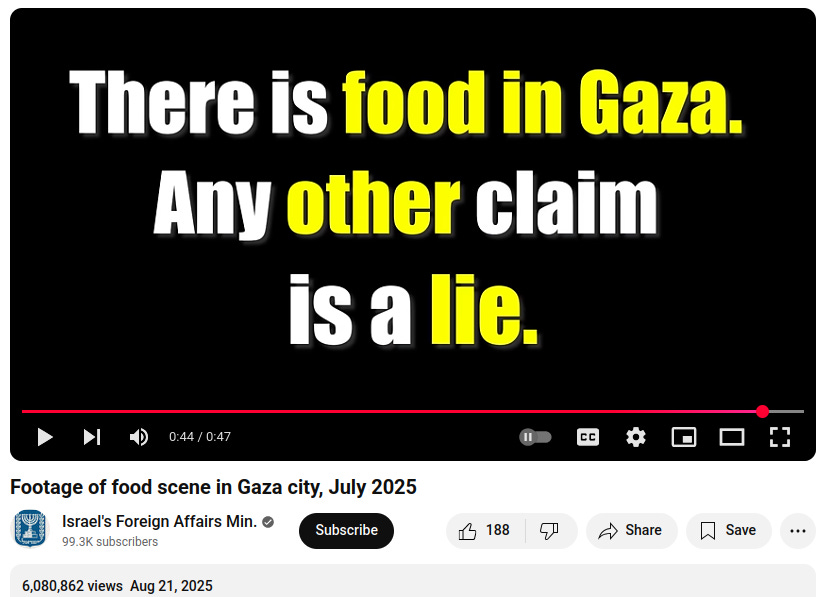
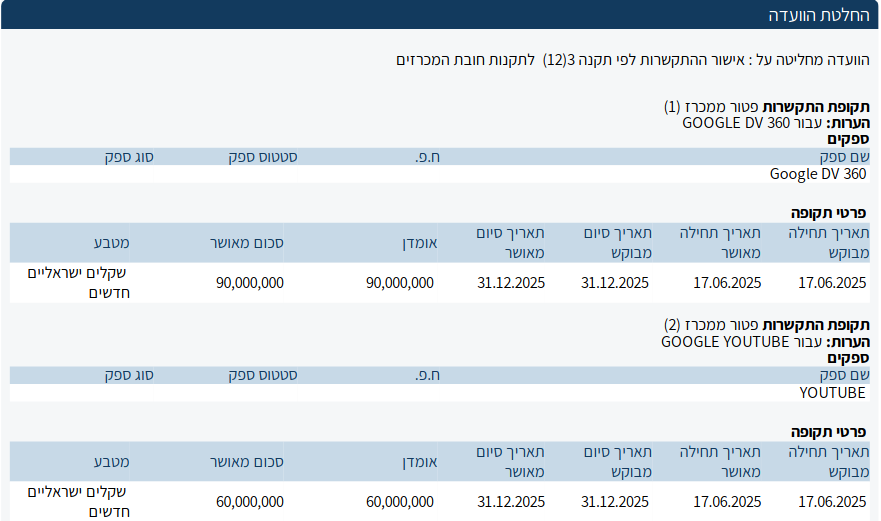
“There is food in Gaza. Any other claim is a lie,” asserted a propaganda video published by Israel’s foreign ministry to Google’s YouTube video sharing platform in late August and viewed more than 6 million times. Much of the video’s reach results from an ad placed during an ongoing and previously unreported $45 million (NIS 150 million) advertising campaign initiated between Google and Netanyahu’s office in late June. The contract—which is with both YouTube and Google’s advertising campaign management platform, Display & Video 360—explicitly characterizes the ad campaign as hasbara, a Hebrew word whose meaning is somewhere between public relations and propaganda.
Israeli ad promoted on YouTube making the claim that there is no shortage of food in Gaza. Screenshot: YouTube.
Records show that the Israeli government similarly spent $3 million (NIS 10 million) for an advertising campaign with X. The French and Israeli advertising platform Outbrain/Teads is also set to receive roughly $2.1 million (NIS 7 million).
The ads have aired in response to increasing global outcry over the deteriorating situation in Gaza. In August, the UN formally declared a famine in Gaza governorate, which includes Gaza City. The Integrated Food Security Phase Classification (IPC), the leading global authority on food security, projected the threshold for famine would be crossed in Deir al-Balah and Khan Younis in the coming weeks, stating “this Famine is entirely man-made, it can be halted and reversed.” The UN aid coordination office OCHA further warned on Friday of “a descent into a massive famine” in the Gaza Strip.
At least 367 Palestinians, including 131 children, have died as a result of hunger and malnutrition since the war began, according to the health ministry in Gaza.
The existence of an Israeli Google ads campaign to discredit the UN’s primary aid agency for Palestinian refugees, UNRWA, was similarly reported by WIRED last year. Hadas Maimon, head of public awareness for Israel’s diaspora ministry, stated during the March 2 Knesset hearing that, “For almost a year now, we have been leading a major campaign on the issue of UNRWA.”
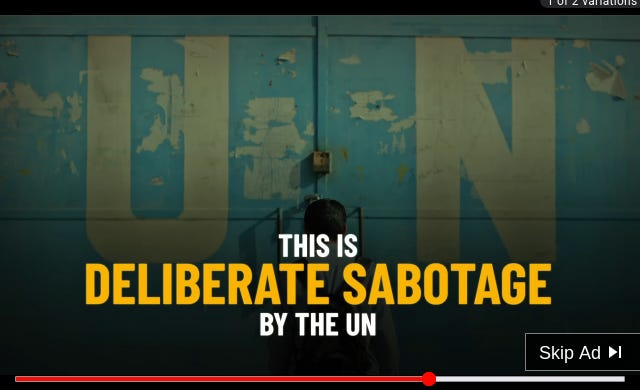
Other Israeli government ads on Google’s platforms accused the United Nations of “deliberate sabotage” of aid delivery into Gaza and promoted the Gaza Humanitarian Foundation, which is backed by Israel, the U.S., and unnamed European countries. One campaign promoted prosecution of the militant group Hamas, which governs the Gaza Strip, for debunked allegations of mass sexual violence as a result of a controversial report published by the Israeli advocacy group Dinah Project.
Despite the denial about the famine, prominent Israeli government voices have championed the effort to cut off food and water to Gazans as a strategy for inducing mass migration out of the territory. “In my opinion, you can besiege them,” said Bezalel Smotrich, the Israeli Finance Ministry and a coalition partner to Netantayu’s government, according to Channel 12. “No water, no electricity, they can die of hunger or surrender,” Smotrich said.
Amichay Eliyahu, the Knesset member who leads the Heritage Ministry in Netanyahu’s government, has similarly called for starving the Palestinian population of Gaza. “There is no nation that feeds its enemies,” Eliyahu said during a radio interview in July. In May, the minister argued the Palestinians “need to starve” and added, “If there are civilians who fear for their lives, they should go through the emigration plan.”
Another campaign has attempted to discredit the pro-Palestinian lawfare organization known as the Hind Rajab Foundation, which accumulates evidence of apparent Israeli war crimes and advocates for international prosecution. Several ads link to an Israeli government report entitled “Unmasking the Hind Rajab Foundation,” which characterizes the organization as having “deep connections to extremist ideologies and terrorist organisations, raising serious concerns about its true motives.”
Israeli ad accusing UN of sabotage. Screenshot: YouTube.
In response to a June report from UN Special Rapporteur Francesca Albanese which concluded that Google had profited from the “genocide in Gaza,” the centibillionaire Google co-founder Sergey Brin reportedly described the UN as a “transparently antisemitic” organization on an internal company forum on July 5. Albanese’s criticism of Google centered around the company joining Amazon in 2021 on a major cloud computing contract with the Israeli government—including the military—known as Project Nimbus.
The Israeli Prime Minister’s Office ads referring to famine in Gaza as a “lie” were placed through the Israeli Government Advertising Agency, known by its Hebrew acronym, Lapam, which began waging its six-month hasbara campaign through Google and X ads in June, according to government disclosures. The contracts were initially centered around a propaganda surge attempting to persuade international audiences to support the Israeli military’s twelve days of air strikes against Iran, known as Operation Rising Lion. One bullet point in the published contract clarified that “the request is for campaigns following Operation ‘Rising Lion’ as well as for ongoing activities.”
According to an estimate from the U.S.-based nonprofit Human Rights Activists in Iran, at least 436 Iranian civilians were killed by the Israeli airstrikes.
A screenshot from the Israeli government disclosure of the roughly $45 million contract between Israel’s government advertising bureau (Lapam) and Google’s Display & Video and YouTube advertising platforms. Both campaigns are listed as spanning June 17 to December 31, 2025.
“Since the opening of Operation ‘Rising Lion,’ Lapam has been working with all of its employees and suppliers in a full emergency format, in order to conduct a wide-ranging outreach activity for all government ministries and security bodies, including the Home Front Command, the Ministry of Defense, the Ministry of Foreign Affairs, the National Publicity Division, the Ministry of Diaspora, and more,” reads the underlying June contract.
“The suppliers with whom the contract is being sought are among the key entities with which Lapam works on an ongoing basis, both during routine periods and in times of emergency, and they possess the infrastructure and knowledge required to carry out the necessary information tasks,” continues the Israeli government document, in reference to the central role contracts with Google and X play in amplifying the spread of Netanyahu’s propaganda.
An editorial published in early August by the Arab fact-checking organization Misbar reported that information disclosed in Google and Meta’s ad transparency portals amounted to a “large-scale Israeli propaganda campaign” operating during Operation Rising Lion. Misbar characterized the Israeli government’s ad campaigns as having “used disinformation to justify the strikes, presenting them as essential for the security of Israel and Western countries.”
Google, Outbrain/Teads, and the Israeli Government Advertising Agency did not respond to requests for comment.
Correction: The English translation of the Hebrew acronym for the Israeli Government Advertising Agency was fixed in two quotes.
A guest post byJack PoulsonI am an independent journalist focused on the intersection of technology and national security; I also run techinquiry.org on a volunteer basis. Send me tips on Signal at @poulson.01.Subscribe to Jack
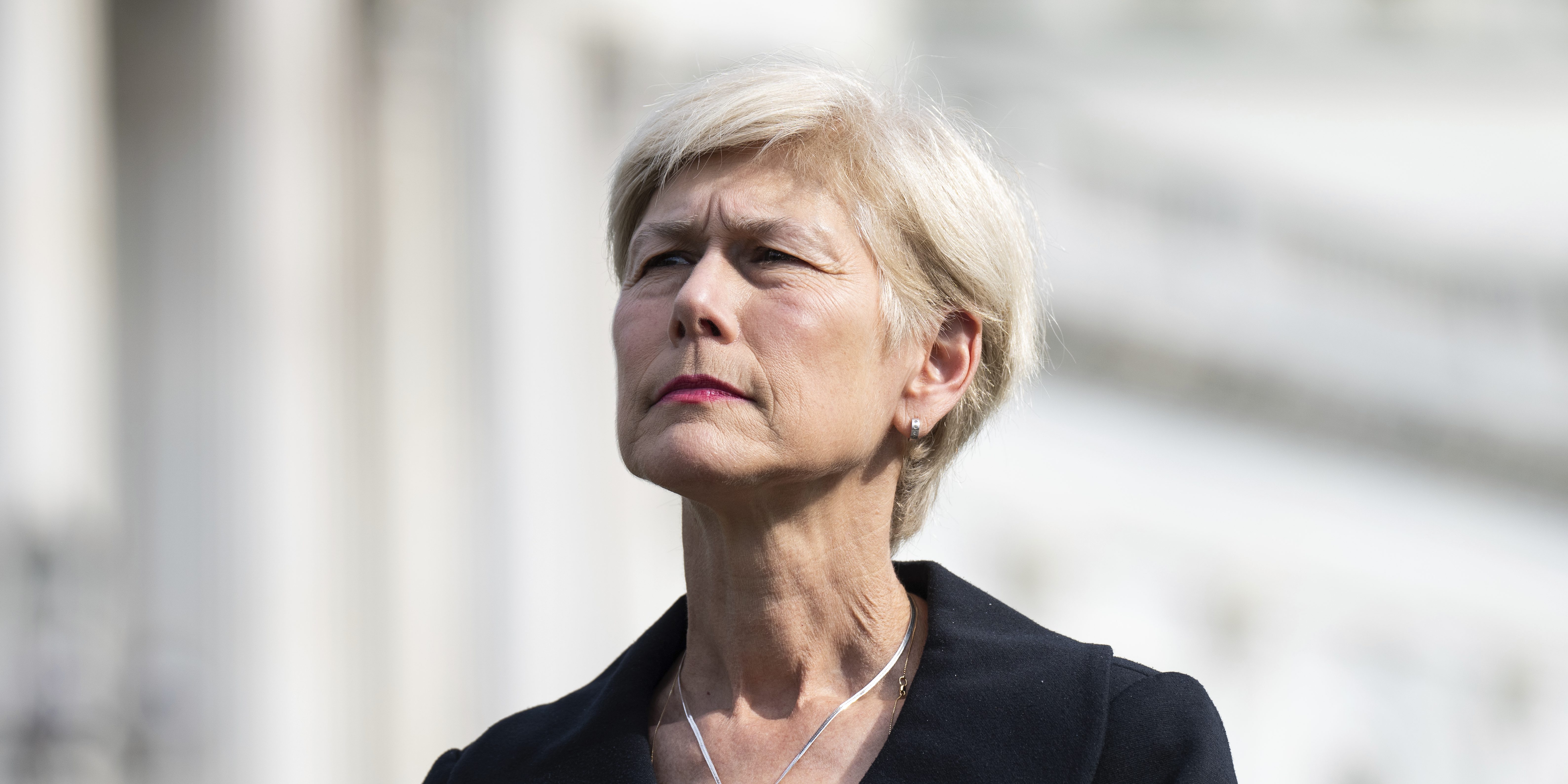
Rep. Deborah Ross, D-N.C., at a news conference held by House Select Subcommittee on the Coronavirus Pandemic Democrats in Washington, D.C. on June 3, 2024. Photo: Bill Clark/CQ Roll Call via AP Images
DEMOCRATIC REP. DEBORAH ROSS of North Carolina has pledged that she will not accept contributions from the American Israel Public Affairs Committee during the 2026 midterm election cycle — after receiving more than $100,000 from the conservative pro-Israel lobby group in past elections, Ross’s office confirmed to The Intercept.
Ross, a moderate member of the House of Representatives, is the latest lawmaker to swear off the lobby amid sustained pressure and protest from voters who oppose Israel’s genocide of Palestinians in Gaza. Her pledge closely follows that of fellow North Carolina Democrat Rep. Valerie Foushee, who vowed not to take money from AIPAC. Foushee was among AIPAC’s biggest recipients, having taken more than $800,000 in direct giving from AIPAC and individual donations it bundled.
“Congresswoman Ross is not currently accepting AIPAC contributions,” said a spokesperson for Ross’s office in a statement to The Intercept. She further clarified that the pledge covers AIPAC contributions throughout the 2026 cycle.
Anti-genocide organizers viewed Ross and Foushee’s anti-AIPAC pledges as evidence of a sea change within the Democratic Party.
“It is always good to hear someone is willing to have the courage of their convictions and not support organizations that they believe do not fully represent the interests of the U.S.” said Dr. Paul McAllister, a reverend and chair of the Interfaith Caucus of the North Carolina Democratic Party who has been organizing to oppose Israel’s assault on Gaza. “AIPAC uses the muscle of their resources to oust anyone who disagrees with them regarding Israel, the conduct of Israel and the atrocities that may be committed by the government of Israel — so it is good that Deborah Ross is willing to recognize and acknowledge that.”
Ross was first elected to the House in 2020 and began taking AIPAC money in 2022. She received $41,900 from AIPAC in that cycle and an additional $97,876 for her 2024 campaign, according to campaign finance records.
Her pledge comes at a time when Democratic politics in North Carolina have been divided around the issue of Israel and Palestine.
In late June, the North Carolina Democratic Party passed a resolution calling for a complete arms embargo on all military aid to Israel until it ends its apartheid rule of Palestinians. The resolution won by a narrow margin — 161 to 151 — and withstood pushback from the state’s centrist Jewish Democrats who argued it would direct voters’ attention to the party’s foreign policy platform, while they wanted to focus on the economy.
McAllister and a broad coalition within the North Carolina Democratic Party — which includes the party’s Arab, African American, LGBTQ, interfaith, Muslim, and progressive caucuses; the Jewish Democrats; and the NC Association of Teen Democrats — supported the resolution.
McAllister was among five members of the coalition who met with members of Ross’s office on August 19, when her staff confirmed her anti-AIPAC pledge, McAllister told The Intercept. The group also urged her office to co-sponsor the Block the Bombs to Israel Act, a bill working its way through the House of Representatives that aims to end some weapons shipments to Israel.
The bill, which had drawn 40 co-sponsors as of Thursday, would prohibit the Trump administration from providing Israel with specific U.S.-made weapons that the Israeli military has used in documented war crimes against Palestinians.
Ross’s spokesperson declined to comment on whether she would support the legislation.
IfNotNow, a Jewish-led progressive organization backing Block the Bombs and helping lead the Reject AIPAC coalition, praised Ross for rejecting the Israel lobby’s dollars and called on her to co-sponsor the bill.
“It’s great to see Rep. Ross join the growing number of Democrats who have previously welcomed AIPAC’s support and are now accepting the fact that aligning with right-wing billionaires only empowers fascists like Netanyahu and Trump,” said Lauren Maunus, the political director for IfNotNow. “Now, we look forward to her signing on to the Block the Bombs Act.”
WE’RE INDEPENDENT OF CORPORATE INTERESTS — AND POWERED BY MEMBERS. JOIN US.
Foushee is co-sponsoring the bill, as are at least two other lawmakers who previously received AIPAC money: Rep. Veronica Escobar, D-Texas, who received $46,000 from AIPAC in 2022, and Rep. Jonathan Jackson, D-Ill., who took $15,000 in 2022 and 2024.
At least three other representatives who are also AIPAC recipients have made statements in support of blocking arms to Israel in recent weeks, but have yet to sign on to the Block the Bombs bill. That list now includes Oregon Democrats Maxine Dexter and Suzanne Bonamici and, most recently, Rep. Adam Smith of Washington state, a leading moderate Democrat in Congress and ranking member of the House Armed Services Committee.
On Tuesday, Smith said he supported blocking “the sale of some weapons now” to Israel to compel the country to enact a ceasefire, allow a flow of humanitarian aid into Gaza, and halt its expansion of illegal settlements in the occupied West Bank.
Smith has received more than $700,000 in contributions from AIPAC since 2022, including $46,900 in 2025, finance records said.
After decades of lobbying on the Hill, AIPAC, which includes Republican billionaires within its donor stream, began directly funding congressional elections in 2021. It spent millions last cycle unseating Democrats who have been critical of Israel, most notably progressive former lawmakers Rep. Jamaal Bowman of New York and Rep. Cori Bush of Missouri.
Correction: Aug. 29, 2025, 12:16 p.m. ET
This story has been updated to remove a reference to IfNotNow as an anti-Zionist organization after a spokesperson clarified that the group does not identify with the term.Share
Trump Regime Takedown: Every Saturday Saturday, March 7, 2026 12:00 PM 2:00 PM Tesla San Francisco999 Van Ness AvenueSan Francisco, CA, 94109United States (map) Google Calendar ICS Keep democracy alive every Saturday by showing up, taking a stand, and sticking together for the long haul. Standing together is better than standing alone. Let’s get together... Continue reading →
This Sunday’s Town Hall: Announcing This Week’s Progressive Town Hall: Every Sunday at 4pm ET/1pm PT RSVP HERE Join PDA activists online from across the country to discuss the importance of progressives reclaiming the American story from the MAGA right, an issue of heightened importance as we’re now within one... Continue reading →
We protest Heritage Foundation EVERY MONDAY (Join us!!!!) By admin | September 2, 2025 | Uncategorized Cliff Cash Comedy Premiered Jul 26, 2025 Every Monday at The Heritage Foundation 214 Massachusetts Ave. Washington D.C. 4pm protest 6pm pizza Every Friday at Fox News D.C. 400 N. Capitol St. Washington D.C. 4pm protest 6pm pizza We are... Continue reading →
Milk Club Trans Caucus Meeting Date: Tuesday, July 28 Time: 5-7 PM Location and Zoom Link: Meeting info available to members of the Milk Club Trans Caucus. Please reach out to trans@milkclub.org if you would like to join the Milk Club Trans Caucus.
Milk Club Joint Caucus Meeting & Trivia Night! Date: Tuesday, July 28 Meeting: 6:30 PM – 7:30 PM Trivia: 7:30 PM Where: Teeth – 2323 Mission Street, San Francisco Milk Club invites you to our Joint Caucus Meeting featuring the HIV Caucus, Trans Caucus, and BIPOC Caucus. This is a space to organize, connect,... Continue reading →
One Million Rising: Strategic Non-Cooperation to Fight Authoritarianism Virtual Event · Hosted by No Kings Time Wednesdays 8 – 9:30pm EDT Location Virtual event Join from anywhere About this event Across the country, authoritarian forces are getting bolder and more dangerous. Trump and his allies are not hiding their agenda: mass deportations,... Continue reading →






 by
by