


- Aarya Mukherjee | Senior Staff
- Jul 3, 2025 (DailyCal.org)
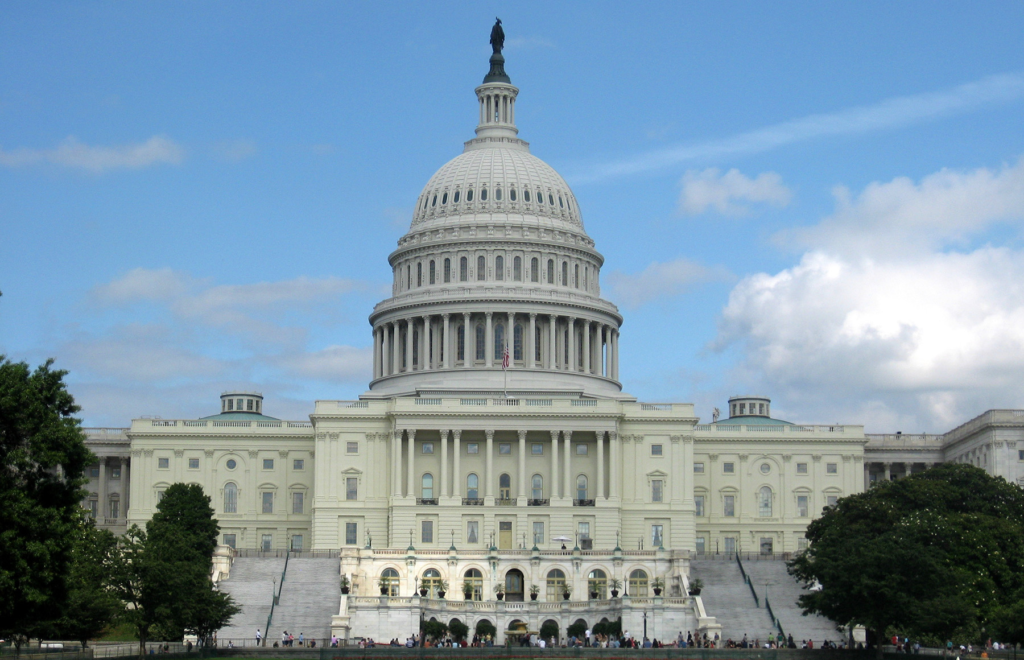
The committee claimed UC Berkeley administrators did not adequately discipline students involved in pro-Palestine demonstrations on campus. (Photo by Wally Gobetz under CC BY-NC-ND 2.0.)
In its first prominent Trump-era trial, the U.S. House Committee on Education and Workforce has summoned UC Berkeley Chancellor Rich Lyons to defend campus’s handling of alleged antisemitism.
The July 9 hearing in Washington, D.C., is an escalation of previous antisemitism inquiries into the university, including a Department of Education investigation opened in February and a UC-wide probe launched in March.
Antisemitism inquiries are not new to the Republican-led committee. Since late 2023, the committee has become known for toppling university leadership following contentious public hearings.
The presidents of the University of Pennsylvania and Harvard resigned in the wake of their committee appearances, and their universities were later hit with federal funding cuts from the Trump administration totaling $175 million and $2.2 billion, respectively. Many other university leaders who had previously testified to the committee no longer hold their posts, including the presidents of Yale, Rutgers, Michigan and Columbia as well as UCLA Chancellor Gene Block.
“It’s difficult to convey nuance in these congressional hearings,” said Faculty Director of the Center for Jewish Studies Ethan Katz. “On one hand, (Lyons) has to defend the importance of academic freedom and free speech, while on the other, show that the university takes antisemitism very seriously.”
In the announcement of the hearing titled, “Antisemitism in Higher Education: Examining the Role of Faculty, Funding, and Ideology,” committee chair Michigan Republican Tim Walberg said foreign funding as well as “antisemitic student and faculty groups” will be the focus of witness testimonials.
Alongside Georgetown University Interim President Robert M. Groves and City University of New York Chancellor Félix V. Matos Rodríguez, Lyons will face a committee of 21 Republican and 16 Democratic representatives.
These testimonies represent the most high-profile witnesses in Walberg’s investigation into campus antisemitism; the committee previously heard testimony from university leaders from Cal Poly San Luis Obispo, DePaul and Haverford in May.
While investigations into these universities are still ongoing, they have received little federal attention or calls for leadership to step down.
Moreover, the May hearing was the first in almost a year. Previous committee chair, North Carolina Republican Virginia Foxx, concluded a year-long antisemitism investigation in October.
In a 325-page final report, Foxx’s committee accused many top institutions of “dramatic failures in confronting antisemitism on their campuses.”
Regarding UC Berkeley, the committee claimed administrators did not adequately discipline students involved in pro-Palestine demonstrations on campus. Citing the peaceful encampment on Sproul Plaza, Anna Head occupation, Sather Gate blockades and Zellerbach Playhouse protesters, the report concludes, “This pathetic record stands out for its weakness even in comparison to the deficiency of other institutions.”
Despite the allegation, the report spends little time — two pages — discussing UC Berkeley’s record when compared to other institutions under investigation.
While the Trump administration has yet to pull federal funding or demand institutional oversight as they have at Harvard and Columbia, the DOJ recently announced a UC-wide investigation into the university’s hiring practices after a prosecutor for the department’s Federal Task Force to Combat Antisemitism hinted at aggressive actions.
“Unlike the previous administration, expect massive lawsuits against the UC system,” said task force lead Leo Terrell in a televised appearance on Fox News. “Expect hate crime charges filed by the federal government. Expect Title VII lawsuits against those individuals who are not being protective, simply because they are Jewish.”
While Foxx’s investigation was launched largely in response to pro-Palestinian encampments and protests, Walberg announced his probe will target, “underlying factors instigating antisemitic upheaval and hatred on campus.”
Since Lyons has been in office for one year following the departure of previous Chancellor Christ, the committee may ask him to address campus structures and events predating his tenure, as well as incidents labeled antisemitic by campus staff and external media organizations.
In February, campus law professor Steven Solomon published an op-ed in the Wall Street Journal titled, “Mr. Trump, Investigate My Campus.” In the letter, Solomon, a co-founder of the Antisemitism Education Initiative alongside Katz, cited the description of a gender and women’s studies department panel calling Israel “genocidal” while claiming campus administration had not adequately addressed antisemitic behavior.
Solomon concluded the article calling for federal action against his university, saying, “I invite Washington to make an example of my campus.”
In response, Lyons published an op-ed of his own in the Journal titled, “No Need to Investigate My Campus, Mr. Trump.” While Lyons did not directly combat Solomon’s claims, he said university academic freedom policy and first amendment speech prevents campus intervention, even in cases that are “hateful and absurd.”
Katz, who will be accompanying Lyons in Washington, said UC Berkeley has taken measures to support Jewish students on campus, including his founding of the Antisemitism Education Initiative in 2019 alongside Solomon and Berkeley Hillel Rabbi Adam Naftalin-Kelman.
“Hate speech is very often protected by legal standards of free expression,” Katz said. “You can’t start expelling people for objectionable speech. There are things you can do, but it’s not simple.”


