


Staffing cuts, a boarding crisis, and an $809 million surplus. To employees, the question isn’t whether UCSF can fix its emergency department — it’s whether it wants to.
Additional reporting by Kevin Truong
Published Jun. 25, 2026 (SFStandard.com)
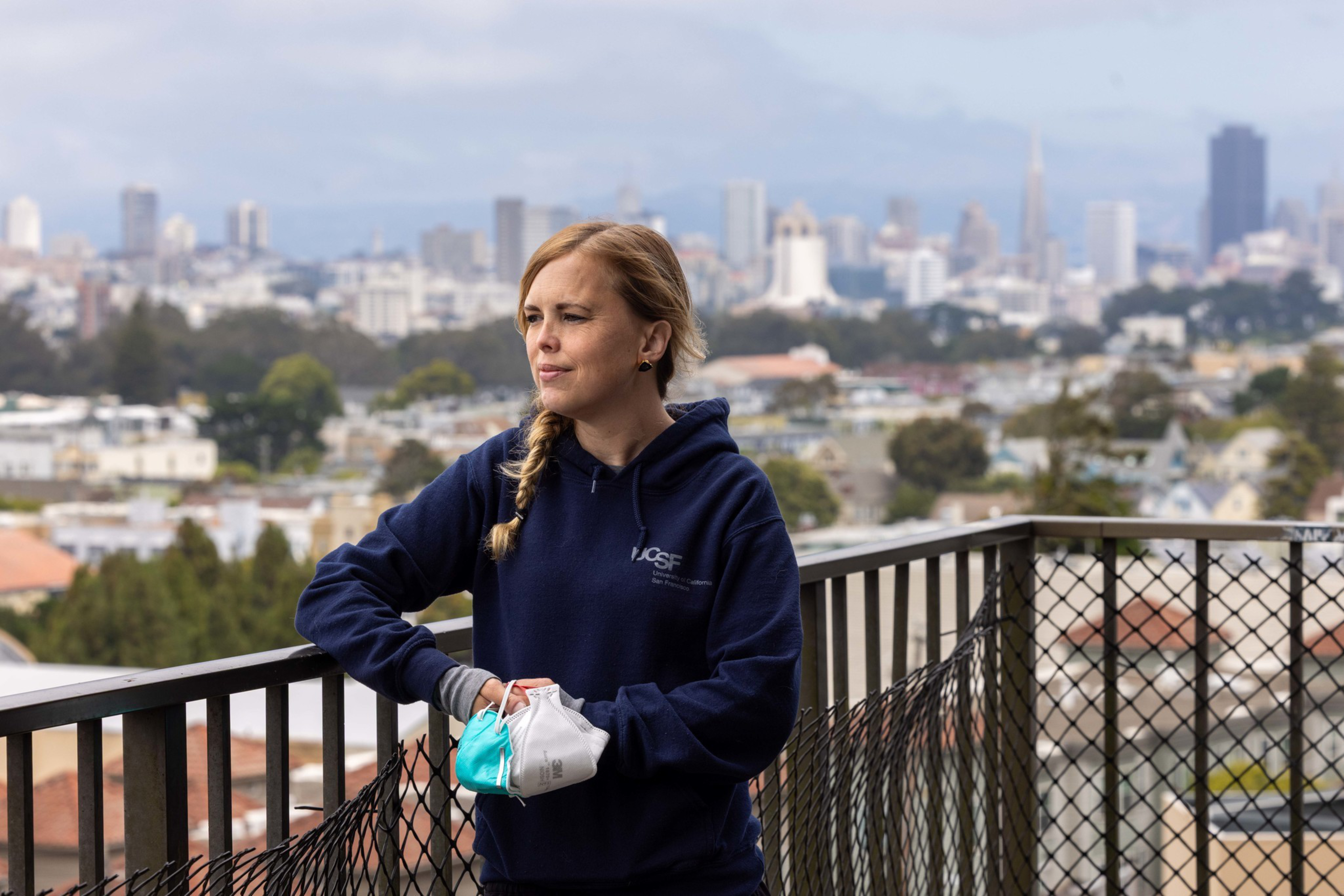
As a lifelong liver transplant patient, Kelsey M. knows her body the way a navigator knows ocean currents.
Through frequent blood draws, she tracks a panel of enzymes to see whether the organ is functioning or close to failure. So when results came back in early December — each reading higher than any since she received the transplant as a baby 35 years ago — she knew she needed immediate care.
The symptoms were telling enough. She couldn’t keep food or water down. She was doubling over in pain. Someone on her UCSF transplant team told her to go to the emergency department at Parnassus. Her records were there, her specialists walked those floors.
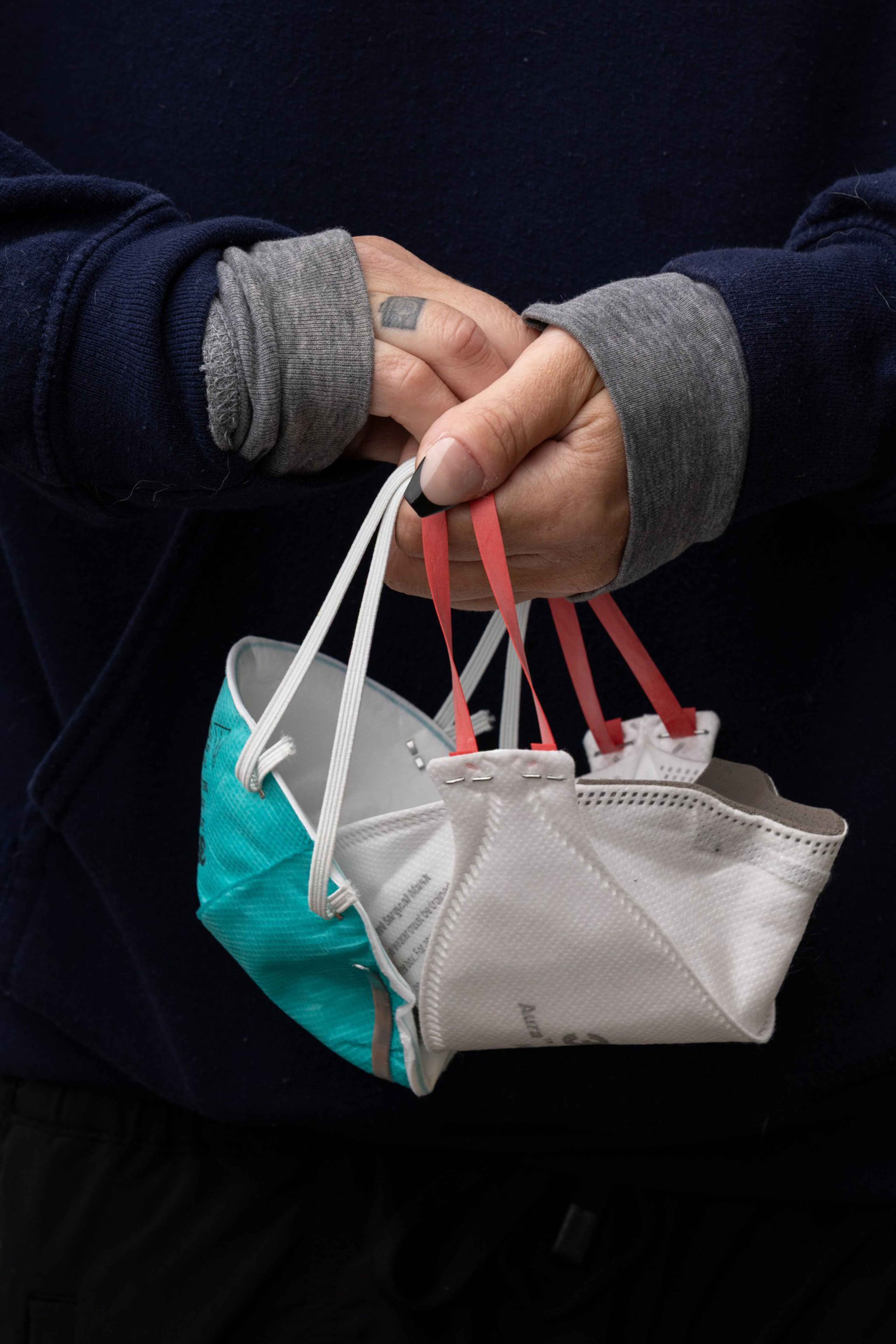
She packed the essentials: enzyme-replacement pills to help her eat, a phone charger, a change of clothes, an N95 mask.
Four hours later, she was in a bed and hospital gown, fluids flowing through a port in her chest. But she was in a shared room, with only a curtain separating her from someone on a breathing machine, battling an apparent respiratory illness.
What might have been uncomfortable to other patients posed a grave threat to Kelsey. Since she was only months old when she got a new liver, she was too young for live vaccines before the surgery and too immunocompromised after to ever receive them.
When the man on the other side of the curtain started coughing, she stepped out of the room.
“A nurse said, ‘You can’t be here in the hallway,’ and I said, ‘I can’t be in the room with this guy.’”
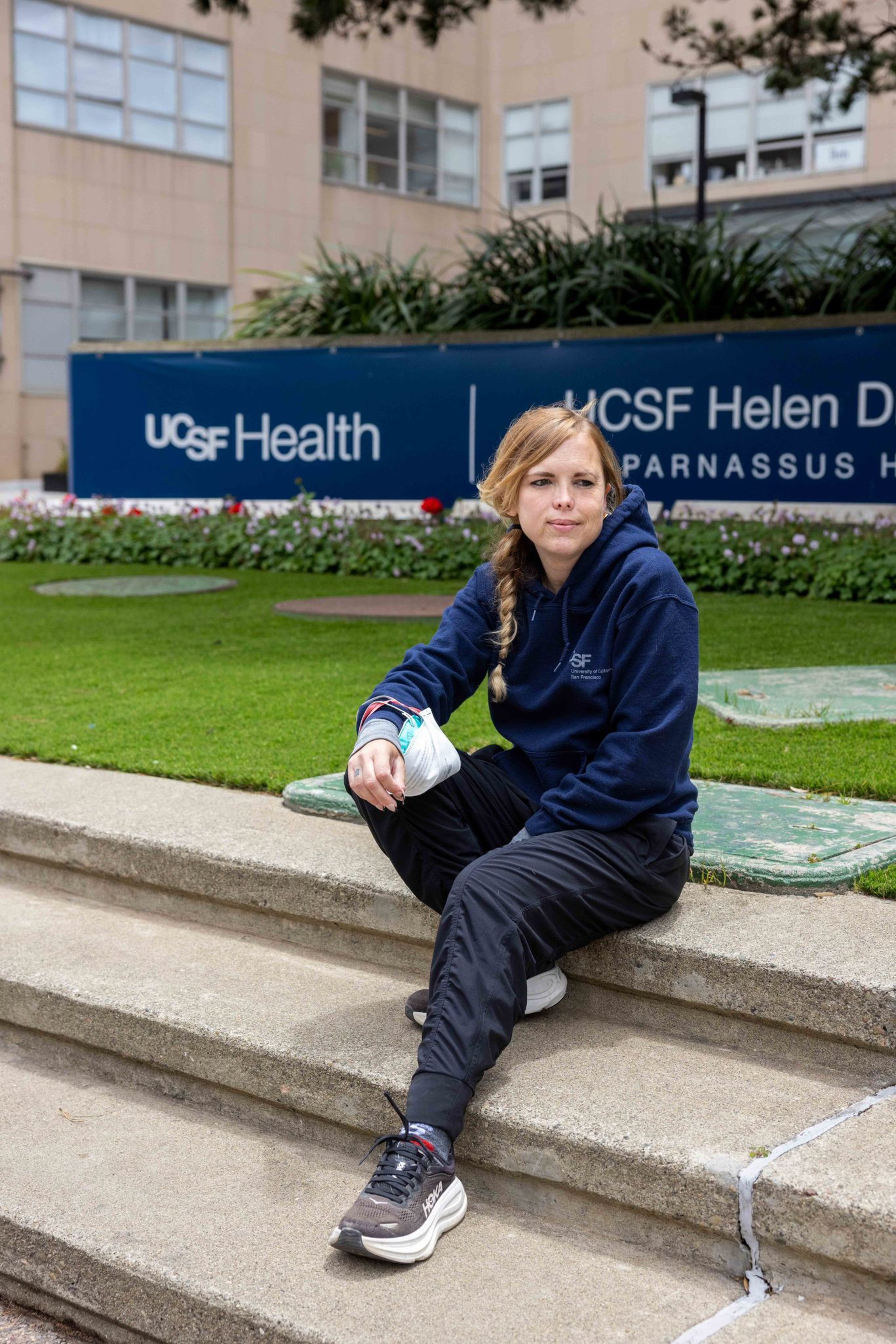
The nurse brought her a chair, saying there were no beds and the hospital was full. A transfer to another facility was the only option. A doctor told her she could die if she left; she felt she could die if she didn’t.
“I was too scared to stay,” Kelsey said.
Against medical advice, she walked out.
Rare patient, common ordeal
Kelsey, who asked to withhold her surname, is a medical anomaly.
As an infant transplant patient who came off anti-rejection drugs at 16, she’s rare living proof that the immune system can accept a new organ without medication. That made her valuable to researchers. A UCSF-led clinical trial(opens in new tab) recruited her last year to try to understand why.
At the Parnassus emergency department, though, she’s one of thousands each year who walk out before being evaluated or treated by a licensed provider.
UCSF Health officials have maintained that the problems at its flagship emergency department aren’t unique to Parnassus. To a degree, that’s true(opens in new tab). A 2023 study in the Journal of the American Medical Association documented a decade of statewide deterioration: numbers of emergency visits rising, emergency rooms closing, severe cases surging.
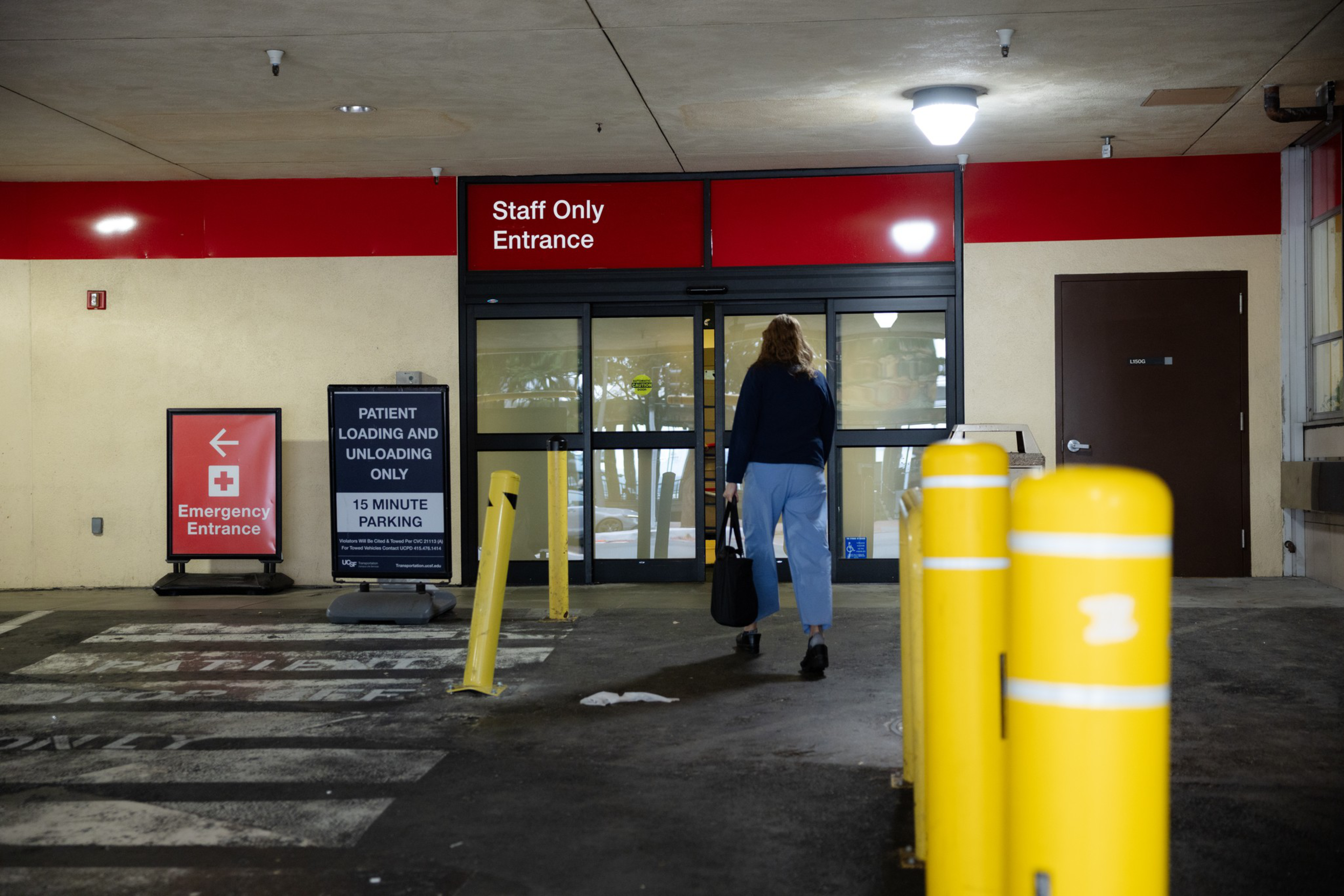
Still, Parnassus stands apart on several measures. As a quaternary referral center(opens in new tab), the facility exists to treat patients too sick or complex for anywhere else, operating as the last stop for the rarest, most complicated cases.
However, publicly reported data show that emergency room patients in Parnassus are increasingly likely to wait longer for care, or to simply walk out without seeing a doctor, compared with other hospitals in San Francisco. Patient complaints at the hospital are five times higher than the state average.
State records analyzed by The Standard show that the Parnassus emergency department logged the highest walkout rate in San Francisco last year: 5.6% of patients left without seeing a licensed physician. In 2025, 2,243 people left, up 4.6% from 1,872 in 2024, while patient volume continued to hover around 40,000 annual visits.
Article continues at: https://sfstandard.com/2026/06/25/ucsf-parnassus-er-walkout-rates-staffing-crisis/?utm_campaign=weekly&utm_medium=email&utm_source=sfs_newsletter&utm_term=06_28_26
More about the author
Jennifer Wadsworth Senior News Editor·Contact


